The Half Log Cabin Quilt stands as a stunning example of how tradition and creativity blend beautifully in the world of quilting. This unique pattern, derived from the classic Log Cabin design, offers endless opportunities for color play, texture contrast, and creative expression.
At its core, the Half Log Cabin Quilt is a variation of the Log Cabin block, where strips of fabric—often called “logs”—are sewn around a central square. What makes this pattern distinctive is the asymmetry: instead of building equally on all four sides, you only add strips to two adjacent sides of the center.
Whether you are a beginner learning the basics of quilting or an experienced maker exploring advanced techniques, the Half Log Cabin Quilt provides a rewarding project that teaches precision, color balance, and creativity.
Understanding the Half Log Cabin Quilt Pattern
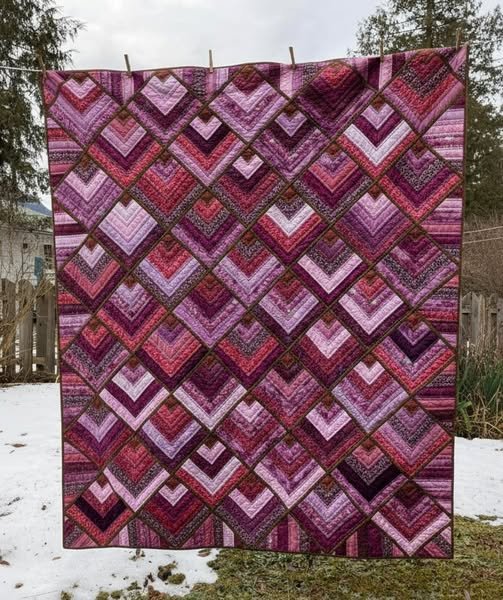
The Half Log Cabin Quilt pattern is rooted in simplicity, yet it allows for an incredible range of artistic expression. The traditional Log Cabin block begins with a small square—often representing the hearth of a home—surrounded by strips that symbolize the walls. In the half version, strips are only added to two sides of the central square, forming a distinct L-shaped block. This modification opens up a whole new world of design possibilities, offering a dynamic contrast between light and dark fabrics.
One of the most appealing aspects of the Half Log Cabin Quilt is its versatility. By carefully alternating the placement of light and dark fabrics, you can create stunning visual effects such as radiating patterns or intricate zigzag formations. The quilt’s visual rhythm comes from this thoughtful contrast, giving it both depth and movement.
Additionally, this pattern is perfect for scrap quilting. Many quilters use leftover fabric pieces to construct their Half Log Cabin Quilts, resulting in projects filled with personal memories and rich textures. This sustainable approach not only reduces waste but also creates a meaningful connection between the quilter and their craft.
The Half Log Cabin Quilt also lends itself to experimentation with fabric textures and prints. Combining solids with florals, stripes with batiks, or neutrals with brights can bring unexpected harmony and personality to your quilt. Each block becomes a unique reflection of your design sensibility.
Moreover, this pattern offers a practical benefit: it’s relatively easy to sew. Because the construction process involves straight seams and repetitive steps, even beginners can achieve professional-looking results. The challenge lies not in the sewing, but in the artistry of fabric placement and color coordination.
In short, understanding the structure and philosophy behind the Half Log Cabin Quilt allows you to create pieces that are not only visually compelling but also deeply personal—a patchwork of creativity and tradition that never goes out of style.
Essential Materials and Tools for a Half Log Cabin Quilt
Before you start sewing your Half Log Cabin Quilt, gathering the right materials and tools is essential for success. Preparation ensures your quilting process is smooth, efficient, and enjoyable from start to finish.
The first step is selecting fabric. For a standard Half Log Cabin Quilt, you’ll need a combination of light and dark fabrics to achieve the classic contrast effect. Cotton fabrics are the most popular choice, as they are durable, easy to cut, and hold their shape well. Pre-cut strips—such as jelly rolls—are excellent for this pattern because they provide consistent width and save time on measuring.
Next, you’ll need quality thread and a reliable sewing machine. A neutral-colored cotton thread works best for piecing your blocks together. Make sure your sewing machine is properly maintained, with a sharp needle and balanced tension to produce even seams.
Rotary cutters, quilting rulers, and cutting mats are indispensable tools for achieving precision. Since the Half Log Cabin Quilt relies heavily on accurate measurements, these tools help you cut clean, straight strips and maintain uniformity across all your blocks.
Additionally, having an iron and ironing board nearby will make a world of difference. Pressing your seams after each addition keeps your blocks flat and crisp, ensuring your finished quilt top aligns perfectly.
Finally, consider your batting and backing materials. The batting gives your Half Log Cabin Quilt its warmth and texture, while the backing fabric ties the whole piece together. Choose materials that complement the front design and ensure a smooth finish once quilted.
By preparing with the right tools and materials, you set the foundation for a flawless Half Log Cabin Quilt—one that showcases both your craftsmanship and your creative spirit.
Step-by-Step Guide to Making a Half Log Cabin Quilt
Creating a Half Log Cabin Quilt can be an enjoyable and meditative process. While the design might appear complex, the step-by-step assembly is quite straightforward once you understand the block structure.
Start by cutting your fabrics into strips, usually 2½ inches wide, although you can adjust the size depending on your desired quilt dimensions. Then cut a set of center squares—these can be plain or contrasting colors that will act as the focal point of each block.
To begin constructing your block, sew a strip to one side of the center square. Press the seam open or to one side, depending on your preference. Add another strip to the adjacent side, creating the signature L shape that defines the Half Log Cabin Quilt. Continue adding strips alternately to these two sides until you reach your desired block size.
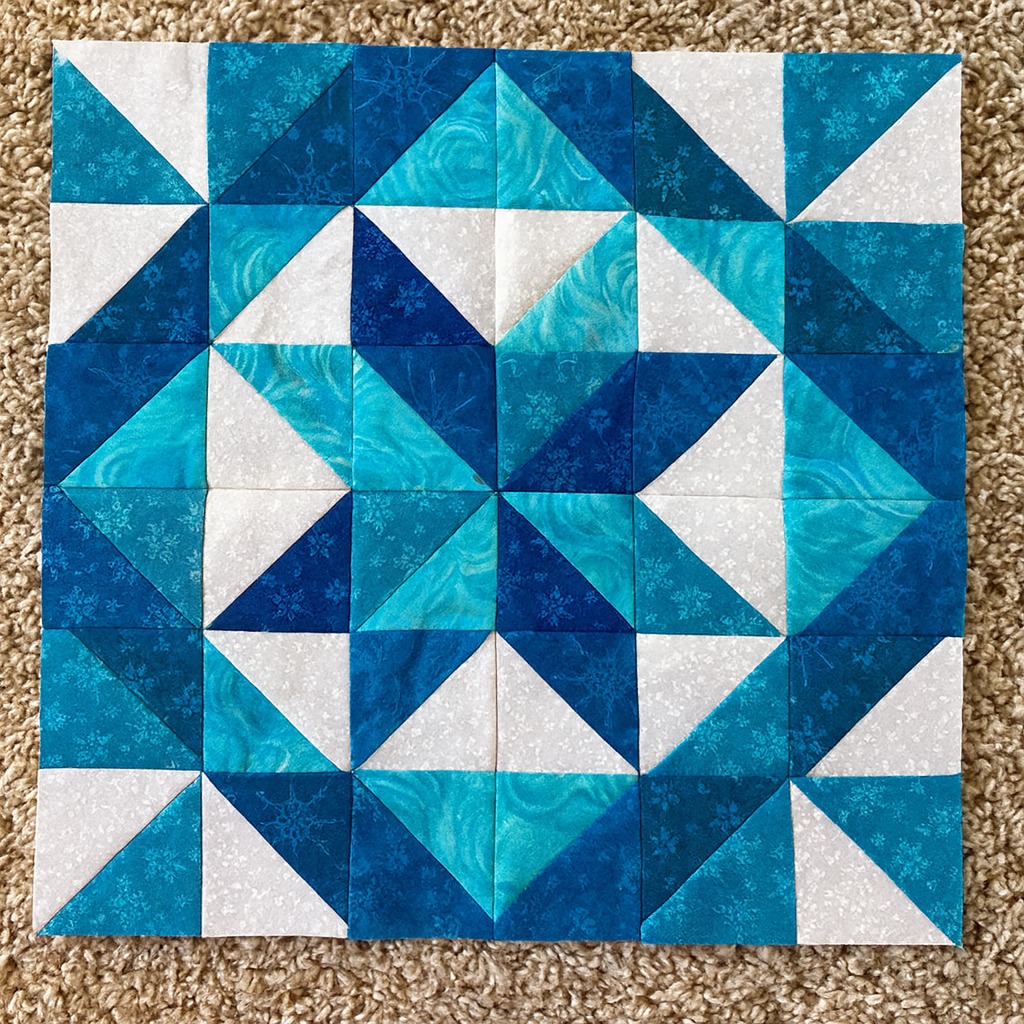
Once you’ve made all your blocks, lay them out on a large surface to experiment with different arrangements. The beauty of the Half Log Cabin Quilt lies in its flexibility—rotate the blocks to form diamonds, zigzags, or even circular patterns. Take time to step back and view your layout from a distance to ensure balance and flow.
After finalizing the layout, begin joining the blocks row by row. Carefully align seams and press after each step to maintain precision. When your quilt top is complete, layer it with batting and backing, then baste to prepare for quilting.
Finally, quilt your project either by hand or machine. Simple straight-line quilting often complements the structured geometry of the Half Log Cabin Quilt, though free-motion designs can add a beautiful touch of artistry. Finish by adding binding around the edges for a polished and professional look.
Creative Design Ideas and Modern Twists
While the Half Log Cabin Quilt is rooted in tradition, modern quilters continue to reinvent it with bold innovations. The versatility of this design makes it a favorite canvas for exploring new color palettes and layouts.
For a contemporary twist, try working with monochromatic fabrics in varying tones. This creates a sleek, gradient effect that highlights the quilt’s geometry. Alternatively, use high-contrast colors—such as black and white—for a striking, minimalist aesthetic.
If you enjoy experimenting, combine fabrics with different textures. Pair smooth cotton with linen or add metallic prints for a subtle shimmer. These choices give your Half Log Cabin Quilt depth and tactile interest.
You can also play with scale by varying strip widths. Wider strips create a more graphic look, while narrower ones lend intricate detail. Mixing both within a single quilt adds complexity and movement.
Another popular approach is to blend the Half Log Cabin Quilt with other quilting styles. Incorporating appliqué elements, modern quilting blocks, or asymmetrical layouts can result in stunning hybrid designs. This adaptability makes the pattern timeless yet always evolving.
Finally, remember that every quilt tells a story. Whether you choose soft pastels for a baby quilt, earthy tones for a rustic feel, or vibrant brights for a modern home accent, the Half Log Cabin Quilt offers endless possibilities for personal expression through fabric and thread.
FAQ: Common Questions About the Half Log Cabin Quilt
1. What is the difference between a Log Cabin and a Half Log Cabin Quilt?
The main difference is symmetry. In a traditional Log Cabin, strips are sewn around all four sides of the center square. In a Half Log Cabin Quilt, strips are added to only two adjacent sides, creating a distinctive L-shaped design.
2. Is the Half Log Cabin Quilt suitable for beginners?
Yes! The pattern involves simple straight seams and repetitive steps, making it accessible to quilters of all skill levels. Beginners can start with small projects like cushion covers before moving on to larger quilts.
3. What fabrics work best for this quilt?
Cotton fabrics are ideal because they are stable and easy to work with. However, blending fabrics such as linen or batik can add texture and dimension to your Half Log Cabin Quilt.
4. Can I use scraps for this pattern?
Absolutely. The Half Log Cabin Quilt is perfect for using fabric leftovers. This not only reduces waste but also creates a charming, eclectic look full of character and history.
Conclusion
The Half Log Cabin Quilt is more than just a pattern—it’s a celebration of color, balance, and creativity. From its historical roots to its modern adaptations, this quilt continues to captivate makers around the world. Its simple structure makes it accessible to beginners, while its design flexibility challenges even experienced quilters to think outside the box.