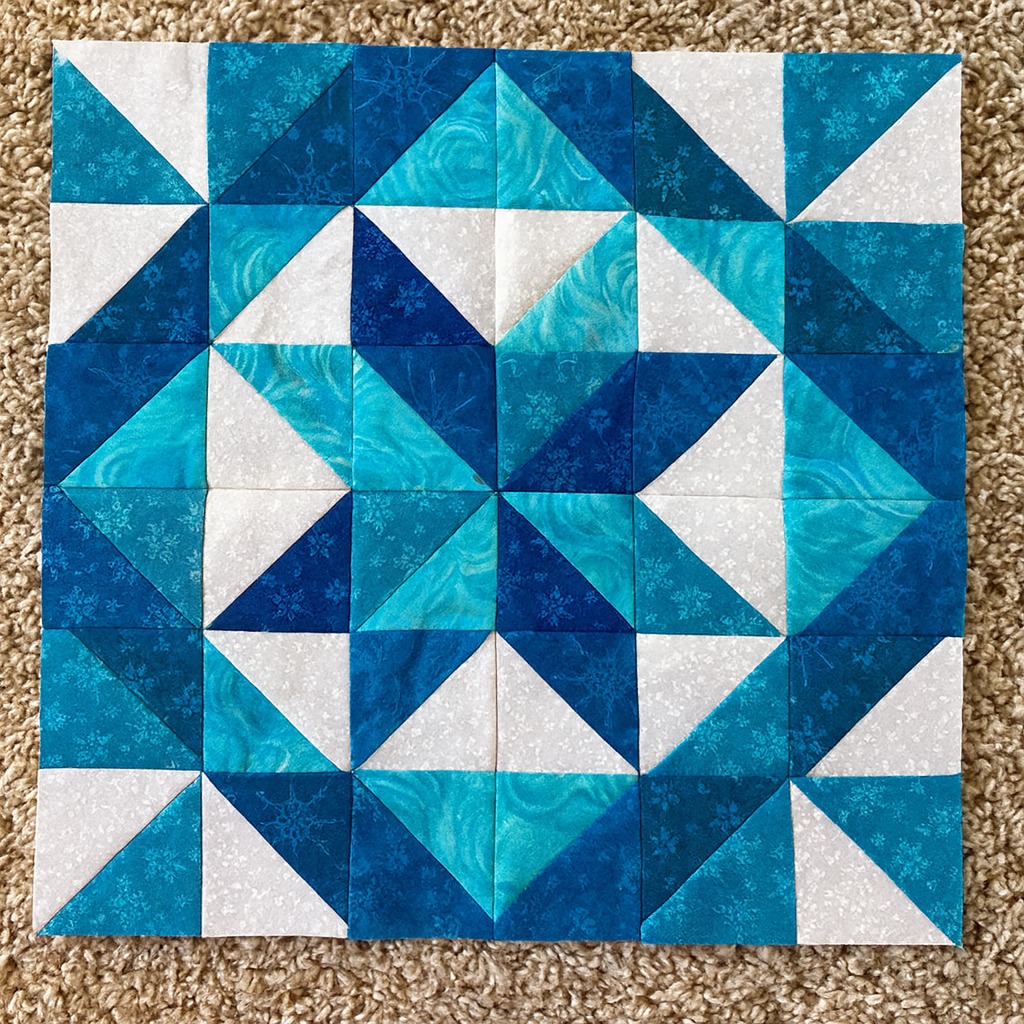
Thistle Bloom Block Pattern is a beautifully structured quilt block design loved by both beginners and experienced quilters. Known for its elegant floral geometry, this block brings a timeless charm to modern and traditional quilts alike. Using the Thistle Bloom Block Pattern allows crafters to explore color play, precision piecing, and creative composition—making it not only a delightful pattern to sew but also a sophisticated addition to any quilting project.
Working with the Thistle Bloom Block Pattern can feel incredibly rewarding because the design naturally guides you toward a polished finish. The block’s layout teaches essential quilting skills such as seam alignment, color contrast, and clean corners. For U.S. quilters and international crafters alike, this pattern offers an accessible introduction to floral-style blocks without overwhelming details.
One of the major reasons quilters love the Thistle Bloom Block Pattern is its versatility. You can repeat the block to create a full quilt, combine it with simpler supporting blocks, or spotlight it in wall hangings, table runners, or heirloom keepsake pieces.
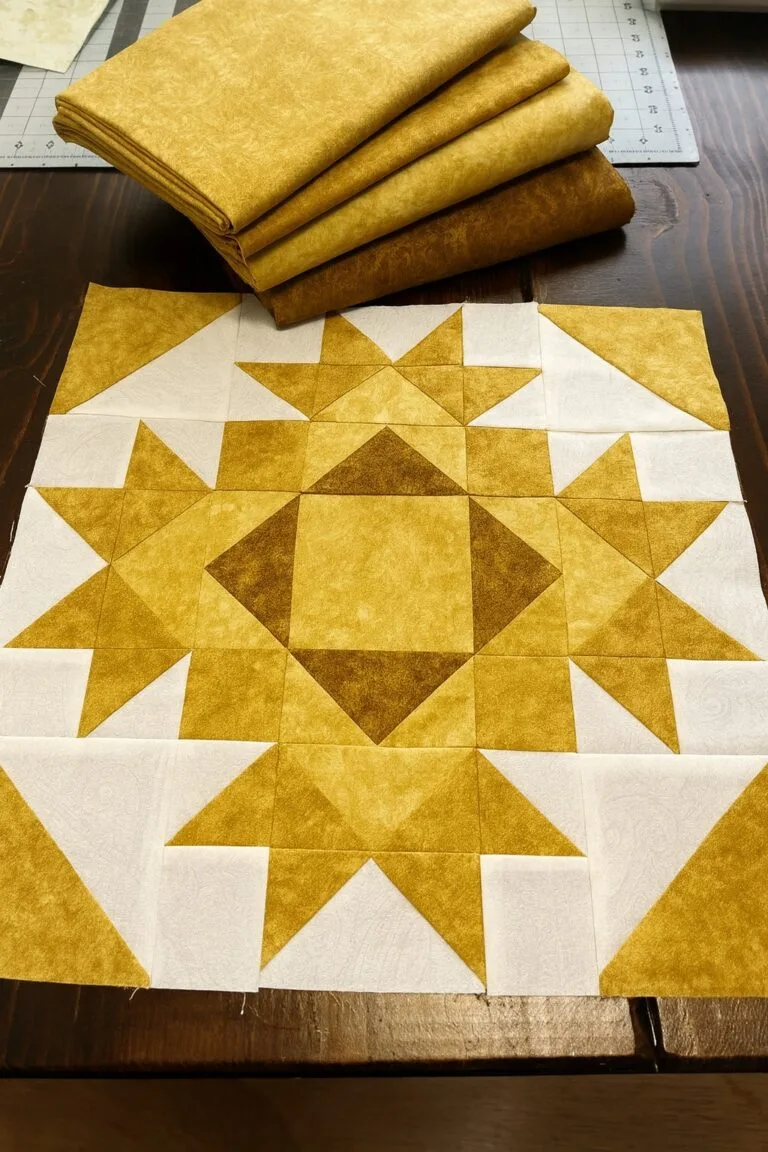
Understanding the Structure of the Thistle Bloom Block Pattern
The Thistle Bloom Block Pattern is constructed using a combination of geometric shapes that mimic the layered petals of a thistle flower. While the design may look intricate at first glance, its step-by-step construction makes it manageable even for beginners. The block typically features petal-like shapes, a central highlight section, and outer framing pieces that create its distinctive movement.
The first important element is the color palette. Choosing contrasting fabrics ensures that the thistle-like shape stands out clearly from the background. For example, a darker fabric for the petals combined with a soft, neutral background fabric highlights the floral effect. Fabric selection contributes heavily to the overall impact of the finished block.
Another core aspect of this pattern is precise cutting. Because the block relies on clean lines and symmetrical shapes, using a rotary cutter and clear quilting ruler ensures accuracy. Small inaccuracies can accumulate, so proper cutting is essential for assembling a block that lays flat.
Stitching is also an essential part of the process, and the Thistle Bloom Block Pattern encourages the development of consistent seam allowances. Maintaining a standard ¼-inch seam throughout the construction helps each piece fit its intended place without distortion.
Pressing your seams correctly enhances the block’s crisp look. Many quilters prefer pressing seams to the side for strength, but pressing open can also work well if you want to reduce bulk. This choice depends on the fabrics used and personal preference.
Finally, arranging the pieces before sewing helps quilters visualize the whole design. Laying out the components allows you to confirm color balance, orientation, and overall harmony before stitching the block together.
Choosing Fabrics and Color Combinations for the Best Results
Selecting fabrics for the Thistle Bloom Block Pattern is one of the most enjoyable parts of the process. Because this block has a floral appearance, fabric choices can dramatically shift the mood of the final quilt. Soft lavender shades, dusty pinks, and botanical greens create a garden-inspired aesthetic, while bold purples and deep blues give the block a dramatic, contemporary feel.
A good rule for this pattern is using a minimum of three different fabrics: one for the petals, one for the center, and one for the background. This combination gives the block definition and prevents the shapes from blending together visually.
If you prefer a scrappy style quilt, you can mix multiple fabrics within the petal sections. This adds texture and visual interest while maintaining a cohesive structure due to the pattern’s symmetrical design.
Neutral backgrounds are highly recommended, especially if you want the “thistle bloom” effect to be the focal point. White, cream, gray, and light taupe all work beautifully, and they allow the petal colors to shine.
For quilters aiming for a more modern aesthetic, solids or tonal fabrics give the block a clean and crisp appearance. Patterns such as small florals or subtle textures can also add charm without overwhelming the design.
Seasonal color palettes work exceptionally well, too. Spring pastels create a soft quilt, autumn shades bring warmth, and winter jewel tones add richness and depth to the Thistle Bloom Block Pattern.
Step-by-Step Sewing Tips for Beginners
If you’re new to quilting, the Thistle Bloom Block Pattern is an excellent project to begin developing your skills. Start by organizing all your materials and cutting each piece as accurately as possible. Keeping your workspace tidy helps prevent mistakes and ensures a smoother quilting experience.
Pinning is extremely helpful for maintaining alignment in this pattern. Because the petals and central components rely on precise angles, using pins or clips prevents shifting while you sew.
Sew one unit at a time instead of rushing to assemble the whole block. Breaking the project into small steps makes it easier to stay consistent and avoid becoming overwhelmed.
After finishing each unit, press the seams immediately. Pressing as you go maintains a polished appearance and helps every piece fit together beautifully.
If you’re not familiar with chain piecing, this project can be an excellent time to learn. Chain piecing allows you to sew repetitive pieces efficiently, saving time during assembly.
Finally, don’t hesitate to use a seam ripper when necessary. Even experienced quilters redo certain seams for accuracy. Correcting a mistake early prevents frustration later and ensures the Thistle Bloom Block Pattern comes out clean and balanced.
Creative Ways to Use the Thistle Bloom Block Pattern in Quilts
Once you complete your first block, you’ll quickly see just how versatile the Thistle Bloom Block Pattern can be. Many quilters choose to make a full quilt using multiple repetitions of the block arranged in a grid layout. This creates a stunning, cohesive floral theme.
You can also alternate the Thistle Bloom block with solid blocks or simpler geometric designs. This helps the floral structure stand out while also reducing the number of complex blocks needed for a large quilt.
Another creative idea is using the block for small decorative items. Cushion covers, table toppers, mug rugs, and mini quilts all showcase the pattern beautifully without requiring extensive time or materials.
Wall hangings are another popular option. Because of its floral elegance, the Thistle Bloom Block Pattern makes a beautiful focal point in home décor, especially when framed by neutral borders or sashing.
Adding borders or sashing between blocks can dramatically change the look of your quilt. Thin borders create a delicate feel, while wide borders make the design more bold and striking.
Finally, quilters can incorporate embroidery, hand quilting, or decorative stitching to highlight the block’s floral structure. These finishing touches create a personalized and artistic quilt that truly stands out.
FAQ About the Thistle Bloom Block Pattern
What skill level is required for the Thistle Bloom Block Pattern?
This pattern is beginner-friendly, especially when taking time to cut and align pieces carefully. It teaches essential quilting techniques without overwhelming complexity.
What size is a typical Thistle Bloom block?
The block size varies depending on the design variation, but many quilters create it in 12-inch or 10-inch finished sizes for versatility.
Can I make this block using scraps?
Yes! Scrappy versions are beautiful and offer a textured, colorful effect while staying consistent with the overall structure.
What fabrics work best for this pattern?
Small prints, solids, and tone-on-tone fabrics are ideal. Avoid large prints that may disrupt the visual flow of the petals.
Do I need special tools to make this block?
A rotary cutter, ruler, and cutting mat are usually enough. Optional tools like quilting clips and seam guides can improve accuracy.
Can this pattern be used for full-size quilts?
Absolutely. Many quilters repeat the block in a full layout or combine it with simpler blocks to create a balanced quilt top.
Conclusion
The Thistle Bloom Block Pattern offers quilters a creative, structured, and visually captivating project suitable for beginners and experts alike. Throughout this article, you learned how the block is constructed, how to choose fabrics that elevate the floral design, step-by-step sewing tips, and creative ways to use it in quilt projects. This pattern remains popular because it blends artistry with accessibility, allowing quilters to produce stunning results with confidence. If you enjoyed this guide, feel free to share your honest opinion and leave suggestions for future quilting topics. Your feedback helps inspire even better content for the quilting community.