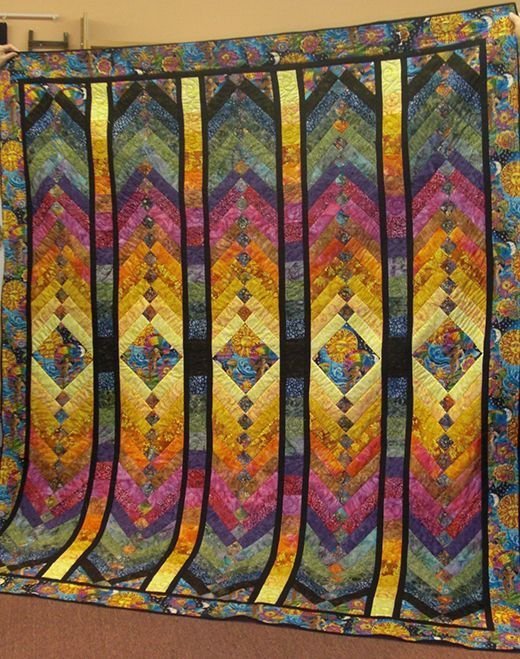
French Braid Quilt Pattern is a timeless quilting design that immediately captures attention with its flowing, woven appearance and strong visual movement. The French Braid Quilt Pattern is loved by quilters of all skill levels because it combines simplicity in construction with an elegant, sophisticated result. From modern fabric collections to traditional scraps, this pattern adapts beautifully, making it a favorite in quilting communities around the world.
The French Braid Quilt Pattern stands out due to its clever arrangement of fabric strips that create the illusion of a braided ribbon running through the quilt. This optical effect adds depth, texture, and rhythm to the finished piece without requiring complex piecing techniques.
In this article, you will explore everything you need to know about the French Braid Quilt Pattern, from its defining characteristics to fabric selection, layout ideas, and practical tips for achieving a polished finish. Whether you are new to quilting or looking to refine your skills, understanding how this pattern works will help you confidently create a quilt that feels both classic and contemporary.
Understanding the French Braid Quilt Pattern
The French Braid Quilt Pattern is based on a repeating sequence of fabric strips arranged at slight angles. These angled strips overlap visually, forming a braid-like path that travels across the quilt top. Despite the intricate look, the construction relies on straight seams and consistent measurements.
One of the most appealing aspects of the French Braid Quilt Pattern is its versatility. The braid can run vertically, horizontally, or diagonally across the quilt, depending on how the blocks are arranged. This flexibility allows quilters to personalize the design without altering the core structure.
Color placement plays a major role in defining the braid effect. Gradual color changes create a smooth, flowing braid, while high-contrast fabrics emphasize the woven illusion. Both approaches work well within the French Braid Quilt Pattern, offering endless creative possibilities.
Another important feature of the French Braid Quilt Pattern is its adaptability to different quilt sizes. From small table runners to full-size bed quilts, the same construction method applies. This makes the pattern ideal for both quick projects and more ambitious designs.
The pattern is also scrap-friendly. Quilters often use leftover strips to build vibrant, one-of-a-kind braids. This not only reduces waste but also adds character and storytelling to the finished quilt.
Overall, understanding the structure and logic behind the French Braid Quilt Pattern helps quilters approach the project with confidence, knowing that precision and creativity work hand in hand.
Choosing Fabrics for a French Braid Quilt Pattern
Fabric selection is essential to bringing the French Braid Quilt Pattern to life. Because the braid effect relies heavily on visual flow, thoughtful color and fabric choices can dramatically enhance the final result.
Many quilters prefer using a color gradient for the braid itself. Moving from light to dark shades within the same color family creates a smooth, elegant transition that highlights the braided illusion. This approach works particularly well in modern versions of the French Braid Quilt Pattern.
Alternatively, contrasting fabrics can produce a bold and graphic look. High-contrast prints and solids help each strip stand out, making the braid more pronounced. This style is perfect for quilters who enjoy striking, eye-catching designs.
Background fabric is just as important as the braid strips. A neutral or low-volume background allows the braid to take center stage. In the French Braid Quilt Pattern, a calm background helps maintain visual balance and prevents the design from feeling overwhelming.
Fabric scale also matters. Small to medium-scale prints tend to work best, as large prints may disrupt the flow of the braid. Consistency in fabric weight and texture ensures smooth piecing and a professional finish.
By carefully selecting fabrics that complement each other, quilters can elevate the French Braid Quilt Pattern from a simple layout to a visually stunning quilt that feels cohesive and intentional.
Step-by-Step Construction of the French Braid Quilt Pattern
Constructing the French Braid Quilt Pattern begins with cutting fabric strips to consistent widths. Accuracy at this stage is crucial, as uniform strips ensure smooth alignment and a clean braid effect.
The strips are then sewn together in a staggered arrangement. Each new strip overlaps the previous one slightly, creating the illusion of weaving. While the layout may look complex, the sewing process remains straightforward and repetitive.
Chain piecing is often used to speed up construction. This technique keeps the workflow efficient and helps maintain consistency throughout the quilt. Many quilters appreciate how the French Braid Quilt Pattern allows for a steady, rhythmic sewing process.
Once the braid sections are assembled, they are trimmed and squared. This step ensures that all sections align properly when joined together. Precision here contributes to a polished and symmetrical final quilt top.
After assembling the main braid, borders or framing strips can be added. These elements help anchor the design and provide visual breathing room. In the French Braid Quilt Pattern, borders often enhance the overall balance of the composition.
Finally, quilting and binding complete the project. Straight-line quilting emphasizes the braid’s direction, while gentle curves can soften the look. The construction process demonstrates that the French Braid Quilt Pattern is both approachable and rewarding.
Creative Variations of the French Braid Quilt Pattern
One of the greatest strengths of the French Braid Quilt Pattern is its adaptability. Quilters frequently experiment with layout changes to create entirely new visual effects while keeping the same basic structure.
Some variations feature multiple braids running parallel across the quilt. This repetition adds symmetry and creates a strong sense of movement. Others showcase a single, dramatic braid as the focal point.
Another creative approach involves alternating braid directions. By flipping sections, quilters can create zigzag or chevron-inspired layouts that add energy to the French Braid Quilt Pattern.
Texture can also be introduced through fabric choice. Linen blends, shot cottons, or subtly textured solids add depth without distracting from the braid design. This tactile quality enhances the quilt’s overall appeal.
Seasonal themes are another popular variation. Warm tones work beautifully for autumn quilts, while cool blues and whites create a winter-inspired French Braid Quilt Pattern. This adaptability makes the pattern suitable for year-round projects.
Through these variations, the French Braid Quilt Pattern proves itself as a flexible and creative foundation for endless quilting expressions.
FAQ About the French Braid Quilt Pattern
What skill level is required for the French Braid Quilt Pattern?
The French Braid Quilt Pattern is suitable for confident beginners and experienced quilters. It uses straight seams and basic piecing techniques.
Is the French Braid Quilt Pattern good for scrap quilting?
Yes, the French Braid Quilt Pattern is excellent for using fabric scraps, especially strips left over from other projects.
How long does it take to make a French Braid quilt?
The time depends on quilt size and experience level, but many quilters find the French Braid Quilt Pattern efficient due to its repetitive construction.
Can I resize the French Braid Quilt Pattern easily?
Absolutely. The pattern scales well, making it easy to adjust dimensions for different quilt sizes.
What quilting style works best with this pattern?
Straight-line quilting enhances the braid effect, but free-motion quilting also works beautifully with the French Braid Quilt Pattern.
Do I need special tools to make this pattern?
Standard quilting tools such as a rotary cutter, ruler, and sewing machine are sufficient for the French Braid Quilt Pattern.
Conclusion
The French Braid Quilt Pattern combines elegance, versatility, and simplicity in a way that few quilting designs can match. Throughout this article, you learned how the pattern works, how to choose fabrics, how to construct the braid, and how to explore creative variations. This knowledge empowers you to approach the French Braid Quilt Pattern with confidence and creativity, regardless of your quilting experience.
Now it’s your turn to put these ideas into practice. Share your honest opinion about this pattern, your experience working with it, and any suggestions or creative twists you enjoy using. Your insights can inspire other quilters and help keep the French Braid Quilt Pattern a beloved classic for years to come.