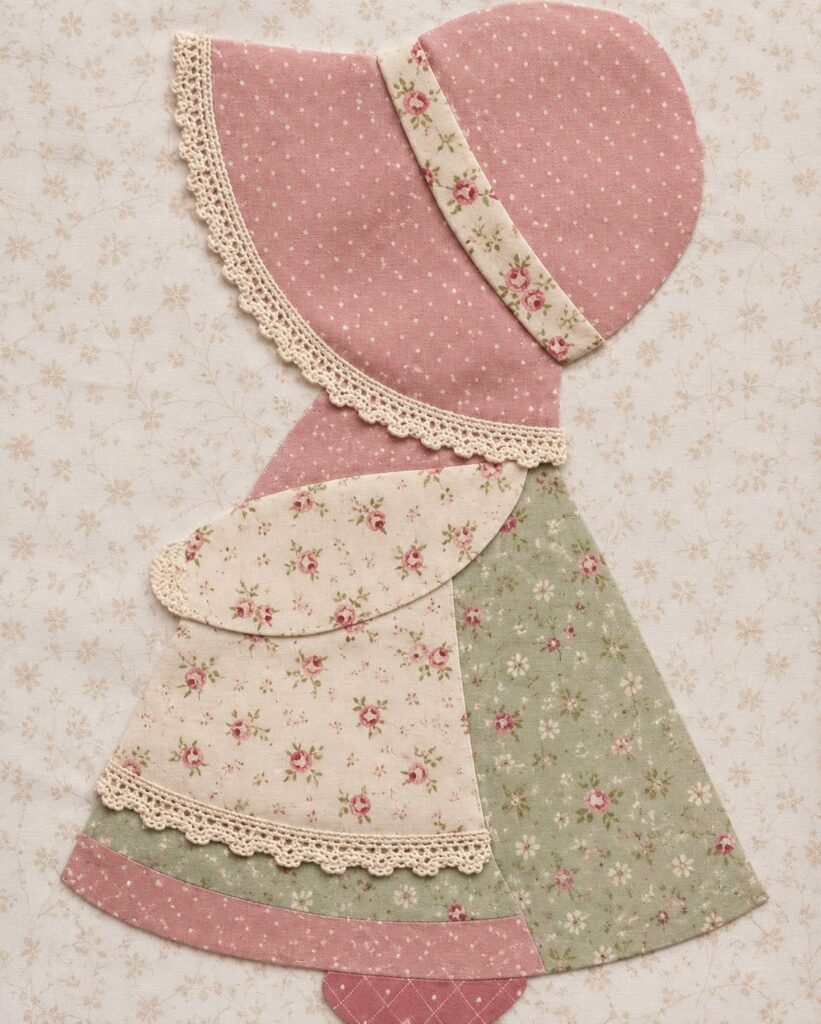
Sunbonnet Sue Quilt Block Pattern is one of the most iconic and cherished designs in the quilting world. Recognized by the silhouette of a little girl wearing a large bonnet that hides her face, this timeless quilt block has been passed down through generations and continues to inspire quilters of all skill levels. Whether incorporated into a vintage quilt, a nursery blanket, a decorative wall hanging, or a treasured family heirloom, the Sunbonnet Sue Quilt Block Pattern remains a symbol of tradition, creativity, and handcrafted beauty.
The enduring popularity of the Sunbonnet Sue Quilt Block Pattern comes from its simplicity and versatility. Traditionally created using appliqué, this charming figure can be customized with different dresses, bonnets, fabrics, and accessories to reflect seasons, holidays, or personal style. Modern quilters often reinterpret the classic design with fresh color palettes and contemporary fabrics while preserving the nostalgic appeal that has made this pattern famous for over a century.
This comprehensive Sunbonnet Sue Quilt Block Pattern tutorial will guide you through everything you need to know to create this beloved quilt block. You will learn about its fascinating history, essential materials, preparation techniques, appliqué methods, creative design ideas, and finishing tips. Whether you are making a single decorative block or an entire quilt, this guide will help you achieve beautiful, professional-looking results.
The History and Charm of the Sunbonnet Sue Quilt Block
The Sunbonnet Sue Quilt Block Pattern first gained widespread popularity during the early twentieth century and quickly became one of America’s most recognizable quilt motifs. The sweet silhouette of a young girl with her face hidden beneath a large bonnet represented innocence, childhood, and family life.
Unlike many pieced quilt blocks, Sunbonnet Sue is traditionally created using appliqué, allowing quilters to combine simple fabric shapes into a charming character. The block became especially popular during the 1920s and 1930s, when appliqué quilts were a favorite pastime among quilting enthusiasts.
Throughout the decades, quilters have developed countless variations of Sunbonnet Sue. Some versions depict her carrying flowers, holding baskets, playing with pets, gardening, reading books, or celebrating holidays. These variations allow each quilt to tell a unique story.
The pattern also became a meaningful way for families to preserve memories. Handmade quilts featuring multiple Sunbonnet Sue blocks were often gifted to children, grandchildren, or newlyweds as treasured keepsakes that celebrated love and tradition.
Today, both traditional and modern quilters continue to embrace the Sunbonnet Sue Quilt Block Pattern. Contemporary interpretations often feature vibrant fabrics, bold prints, and creative backgrounds while maintaining the recognizable silhouette that has made the design so beloved.
Its timeless elegance, sentimental value, and endless customization options ensure that the Sunbonnet Sue Quilt Block Pattern remains one of the most admired quilt blocks in quilting history.
Materials and Preparing Your Fabric
Preparing carefully before beginning your Sunbonnet Sue Quilt Block Pattern helps ensure smooth construction and beautiful results. Gather quilting cotton fabrics, coordinating thread, fusible web if using fusible appliqué, scissors, pins, an iron, and a sewing machine or hand-sewing supplies.
High-quality quilting cotton is the preferred fabric because it presses well, resists stretching, and provides crisp edges during appliqué. Select coordinating fabrics for the bonnet, dress, sleeves, shoes, and background to create a balanced composition.
Many quilters enjoy using floral prints, gingham, polka dots, and soft pastel fabrics to emphasize the traditional appearance of Sunbonnet Sue. However, modern prints and bold solids can also produce stunning contemporary versions.
Carefully trace or prepare your appliqué templates before cutting fabric pieces. Accurate templates ensure consistent shapes and make assembling multiple quilt blocks much easier.
Once all pieces have been cut, arrange them on the background fabric before stitching. This allows you to experiment with placement and proportions while confirming that every component aligns correctly.
Finally, press every fabric piece thoroughly before beginning appliqué. Smooth, wrinkle-free fabric makes stitching more precise and contributes to a polished finished quilt block.
How to Assemble the Sunbonnet Sue Quilt Block
Begin your Sunbonnet Sue Quilt Block Pattern by positioning the dress on the background fabric. Since it forms the largest part of the figure, placing it first establishes the foundation for the remaining appliqué pieces.
Next, position the sleeves, shoes, and bonnet. The oversized bonnet should overlap the head area slightly, creating the signature feature that hides Sunbonnet Sue’s face and gives the block its unmistakable appearance.
Once satisfied with the arrangement, secure each fabric piece using pins, temporary fabric adhesive, or fusible web. This helps prevent shifting while stitching and ensures every element remains properly aligned.
Attach the appliqué pieces using your preferred method. Many quilters choose blanket stitch, zigzag stitch, or hand appliqué with nearly invisible stitches depending on the desired style and finish.
After completing the appliqué, carefully press the block again. Pressing sets the stitches and helps all fabric pieces lie flat without puckering or distortion.
Inspect the completed block for loose threads or uneven edges. Trim if necessary, keeping the background square so your finished Sunbonnet Sue Quilt Block Pattern can be easily combined with additional blocks in a larger quilt.
Creative Variations and Finishing Ideas
One of the greatest strengths of the Sunbonnet Sue Quilt Block Pattern is its remarkable versatility. While the traditional silhouette remains instantly recognizable, small changes in clothing, accessories, and fabric choices allow every block to become unique.
Seasonal themes are especially popular. Spring versions may feature floral dresses and pastel bonnets, summer designs can include bright colors, autumn blocks often incorporate warm earth tones, and winter versions may showcase festive holiday fabrics.
Holiday-themed Sunbonnet Sue quilts are another favorite. Adding pumpkins, snowflakes, hearts, flowers, or small embroidered details transforms each block into a charming seasonal decoration suitable for display throughout the year.
Many quilters personalize their projects by adding embroidery. Simple stitched flowers, bows, baskets, birds, butterflies, or decorative borders enhance the quilt while preserving the classic appearance of the design.
The completed blocks can be arranged into bed quilts, baby quilts, table runners, pillows, wall hangings, tote bags, or memory quilts. Combining several unique Sunbonnet Sue blocks creates a delightful storytelling quilt filled with personality.
To complete your project, choose quilting designs that complement the appliqué rather than compete with it. Gentle curves, loops, flowers, or simple straight-line quilting add texture while allowing the charming silhouette to remain the focal point.
FAQ About Sunbonnet Sue Quilt Block Pattern
1. Is the Sunbonnet Sue Quilt Block Pattern suitable for beginners?
Yes. Basic versions are beginner-friendly, especially when using fusible appliqué. More advanced hand appliqué techniques can be learned gradually with practice.
2. What fabrics work best for Sunbonnet Sue?
High-quality quilting cotton is the most popular choice because it is stable, easy to press, and ideal for appliqué techniques.
3. Can I sew the appliqué by hand instead of using a sewing machine?
Absolutely. Traditional Sunbonnet Sue Quilt Block Pattern quilts were often hand appliquéd, creating a beautiful heirloom appearance.
4. How can I personalize my Sunbonnet Sue block?
You can customize dresses, bonnets, fabrics, accessories, embroidery, colors, and seasonal decorations to create a unique design that reflects your personal style.
5. What projects can I make using Sunbonnet Sue blocks?
These blocks are perfect for full-size quilts, baby quilts, pillows, wall hangings, tote bags, table runners, memory quilts, and many other decorative sewing projects.
Conclusion
The Sunbonnet Sue Quilt Block Pattern continues to captivate quilters with its timeless charm, rich history, and endless creative possibilities. Throughout this tutorial, you explored the origins of this beloved quilt block, learned how to prepare materials, assemble the appliqué pieces, and personalize your design with creative finishing touches.
Whether you choose a traditional vintage style or a modern interpretation with contemporary fabrics, the Sunbonnet Sue Quilt Block Pattern offers an enjoyable quilting experience that celebrates craftsmanship, creativity, and family traditions. Every completed block becomes part of a handmade story that can be treasured for generations.