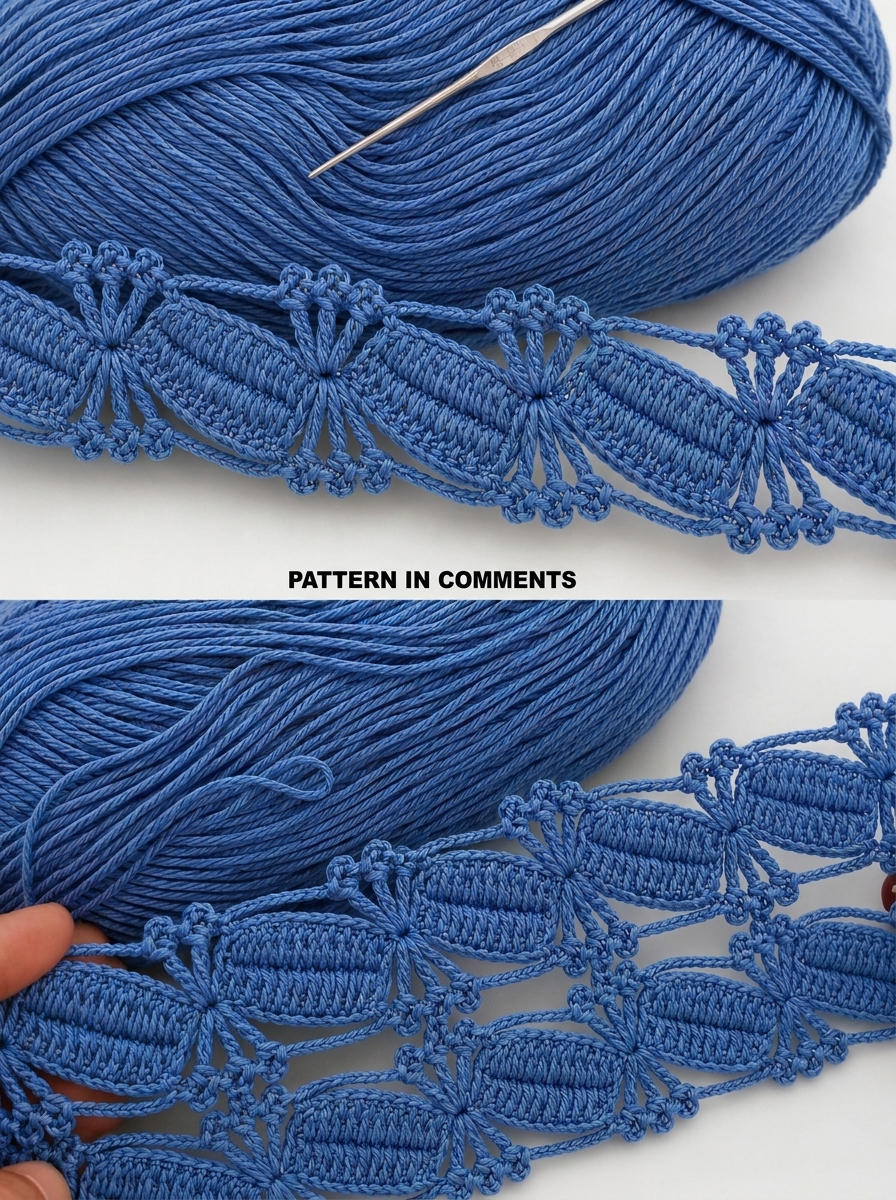
Crochet Leaf Lace Pattern is a timeless crochet technique that beautifully combines delicate lacework with the graceful shape of leaves, creating a design that is both elegant and versatile. Whether you are crocheting a lightweight scarf, a decorative table runner, a stylish shawl, a baby blanket, or even a sophisticated home décor project, the Crochet Leaf Lace Pattern offers endless creative possibilities. Its flowing texture and openwork appearance make it one of the most admired stitch patterns among crochet enthusiasts of all skill levels.
One of the reasons the Crochet Leaf Lace Pattern continues to grow in popularity is its incredible versatility. The repeating leaf motifs create a natural rhythm throughout the fabric, while the lace openings keep the finished project lightweight and breathable. Depending on the yarn, color, and hook size you choose, this pattern can produce everything from delicate accessories to luxurious decorative pieces. It is equally suitable for modern minimalist projects and vintage-inspired crochet designs.
In this comprehensive guide, you will learn everything you need to know about creating a beautiful Crochet Leaf Lace Pattern from beginning to end. We will cover the best materials, explain the essential crochet stitches, walk through a detailed step-by-step pattern, share creative customization ideas, and provide professional finishing techniques. Whether you are learning lace crochet for the first time or expanding your existing skills, this tutorial will help you confidently complete a stunning project.
Materials and Essential Crochet Stitches for a Crochet Leaf Lace Pattern
Before beginning your Crochet Leaf Lace Pattern, gather all the necessary supplies. Working with the proper materials makes the crochet experience more enjoyable and helps achieve cleaner stitch definition.
Cotton yarn is one of the most popular choices because it highlights the lace openings and leaf shapes beautifully. Mercerized cotton produces especially crisp stitch definition, while bamboo or lightweight acrylic yarn creates a softer, flowing fabric.
Choose a crochet hook that matches your yarn weight. Most lace-weight or light-weight yarns work well with hooks ranging from 2.5 mm to 4 mm. Using a slightly larger hook often enhances the open lace effect without making the fabric unstable.
Additional supplies include sharp scissors, a yarn needle for weaving in loose ends, stitch markers for identifying pattern repeats, and a measuring tape to maintain consistent dimensions throughout your project.
The basic stitches commonly used in a Crochet Leaf Lace Pattern include chain (ch), slip stitch (sl st), single crochet (sc), half double crochet (hdc), double crochet (dc), treble crochet (tr), and chain spaces. Together, these stitches create the elegant openwork that defines lace crochet.
Before beginning a large project, crochet a small sample swatch. Practicing the stitch repeat allows you to become familiar with the leaf motif while checking your tension and ensuring the lace pattern develops evenly.
Step-by-Step Crochet Leaf Lace Pattern Instructions
Every successful Crochet Leaf Lace Pattern begins with a carefully planned foundation chain. Most lace designs are worked using stitch multiples, making it important to follow the correct repeat count.
Step 1: Create a foundation chain using a multiple that fits your chosen leaf repeat. Add the turning chains recommended for your preferred lace design before beginning the first row.
Step 2: Work the first foundation row using double crochet stitches separated by chain spaces. This creates the framework that supports the decorative leaf motifs in the following rows.
Step 3: Begin forming the leaves by combining groups of double crochet stitches, chain spaces, and decreases. The increases gradually widen each leaf, while the decreases shape the pointed tip, producing a realistic botanical appearance.
Step 4: Continue repeating the leaf sequence across each row, making sure every repeat aligns with the previous one. Carefully count your stitches after each repeat to maintain symmetry throughout the pattern.
Step 5: As the project grows, alternate rows of lace openings with rows that emphasize the leaf outlines. This contrast gives the finished fabric beautiful texture while maintaining an elegant, lightweight appearance.
Step 6: Finish your project by crocheting a decorative border using single crochet, picot stitches, or a delicate shell edging. Fasten off the yarn securely, weave in every loose end, and gently block the completed piece to fully open the lacework and define each leaf motif.
Creative Ways to Customize Your Crochet Leaf Lace Pattern
One of the greatest advantages of a Crochet Leaf Lace Pattern is the opportunity to personalize every project according to your own style and purpose.
Experiment with seasonal colors to create different visual effects. Soft greens and ivory produce natural botanical designs, while autumn shades such as gold, rust, burgundy, and brown create warm seasonal projects.
Gradient yarns work beautifully with lace crochet because the slow color transitions enhance the flowing leaf motifs without distracting from the stitch definition.
You can easily adjust the width of your project by adding or removing complete leaf repeats. This flexibility makes the same pattern suitable for scarves, table runners, shawls, blankets, and decorative panels.
Decorative borders add another level of elegance. Picot edging creates a delicate finish, while shell borders provide a classic appearance that complements the flowing lace design.
Combining the Crochet Leaf Lace Pattern with solid crochet sections creates beautiful contrast. Many crocheters alternate lace panels with textured stitches to add visual interest while maintaining structural stability.
As your confidence grows, experiment with combining different leaf sizes or alternating large and small motifs throughout the project. These creative variations produce entirely unique lace designs while preserving the graceful botanical theme.
Finishing Techniques and Caring for Your Crochet Leaf Lace Pattern
Proper finishing is essential for showcasing the full beauty of your Crochet Leaf Lace Pattern. Lace crochet reaches its true elegance only after careful finishing.
Blocking is one of the most important steps. Lightly dampen the finished project, stretch it gently to reveal the lace openings, pin it into its final shape, and allow it to dry completely. Blocking dramatically improves stitch definition and highlights every leaf motif.
Carefully inspect your project before weaving in loose ends. Secure every yarn tail with a yarn needle to prevent unraveling during regular use or washing.
Hand washing with mild detergent is recommended for most lace crochet projects. Gently squeeze out excess water without wringing, then lay the piece flat on a towel to dry while reshaping the lace.
Store lace crochet items flat whenever possible. Folding heavily along the same lines repeatedly may distort the delicate openwork over time.
The Crochet Leaf Lace Pattern is suitable for countless projects including shawls, scarves, wraps, blankets, table runners, curtains, cushion covers, lightweight cardigans, decorative throws, and elegant home accessories. Its timeless appearance makes it appropriate for every season and many different decorating styles.
As your crochet experience grows, you can incorporate beads, textured stitches, or layered lace motifs into your projects to create even more sophisticated designs while maintaining the graceful elegance that defines the Crochet Leaf Lace Pattern.
FAQ About Crochet Leaf Lace Pattern
Is the Crochet Leaf Lace Pattern suitable for beginners?
Yes. Beginners who are comfortable with basic crochet stitches and willing to count stitches carefully can successfully learn this lace pattern.
What yarn works best for a Crochet Leaf Lace Pattern?
Cotton yarn is highly recommended because it provides excellent stitch definition, although bamboo and lightweight acrylic yarns also produce beautiful results.
Do I need to block the finished project?
Yes. Blocking is strongly recommended because it opens the lacework, defines the leaf shapes, and greatly improves the overall appearance.
Can I use this pattern for garments?
Absolutely. The Crochet Leaf Lace Pattern is popular for shawls, cardigans, lightweight sweaters, scarves, wraps, and many other wearable crochet projects.
How do I keep the lace pattern even?
Maintain consistent tension, carefully count your stitches after every repeat, and use stitch markers to identify pattern sections if necessary.
Can I make the pattern wider or narrower?
Yes. Simply add or remove complete leaf repeats while maintaining the original stitch multiple to adjust the project width.
What crochet stitches are most important for this pattern?
Chain stitches, slip stitches, single crochet, double crochet, treble crochet, and carefully placed increases and decreases form the foundation of most leaf lace designs.
How long does it take to complete a Crochet Leaf Lace Pattern project?
The time varies depending on the project size. A scarf may take several days, while larger shawls or blankets may require additional time, especially when working with fine yarn.
Conclusion
The Crochet Leaf Lace Pattern is a timeless crochet technique that combines elegant lacework with the natural beauty of botanical leaf motifs. Throughout this guide, you learned how to select the best materials, master the essential crochet stitches, follow a detailed step-by-step construction process, customize your design with creative variations, and apply professional finishing techniques that highlight every delicate detail. Whether you are creating a graceful shawl, a decorative table runner, a lightweight scarf, or a beautiful home décor project, this versatile lace pattern offers endless opportunities to develop your crochet skills while producing sophisticated handmade creations. We hope this tutorial inspires you to begin your own Crochet Leaf Lace Pattern project and experiment with new colors, yarns, and creative ideas. If you enjoyed this article, please leave your honest opinion and share your suggestions for future crochet tutorials. Your feedback is greatly appreciated and helps us continue creating valuable crochet content for crafters around the world.