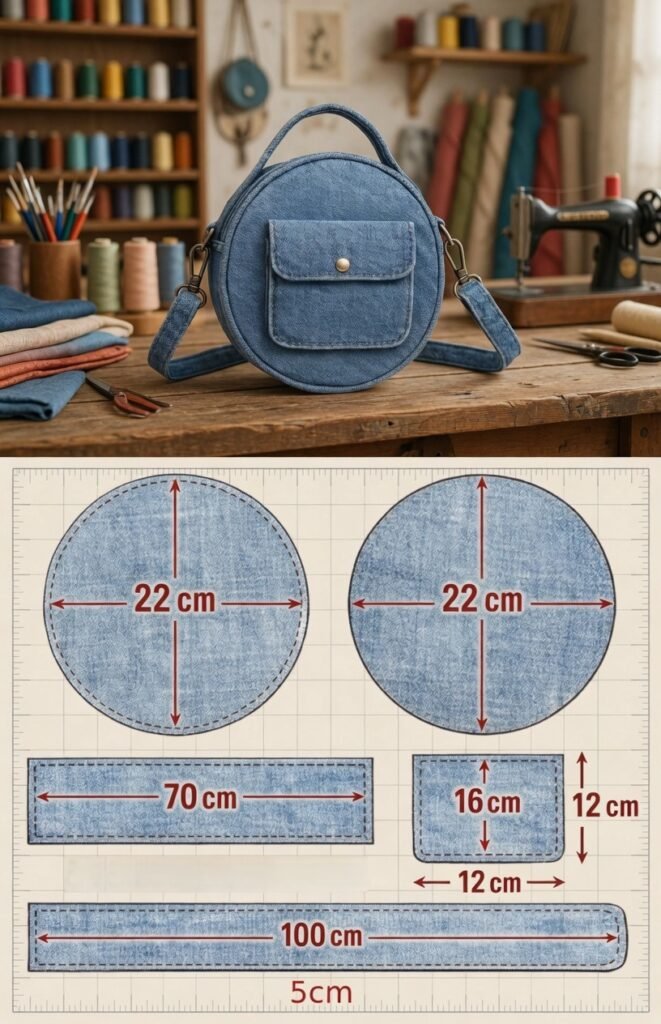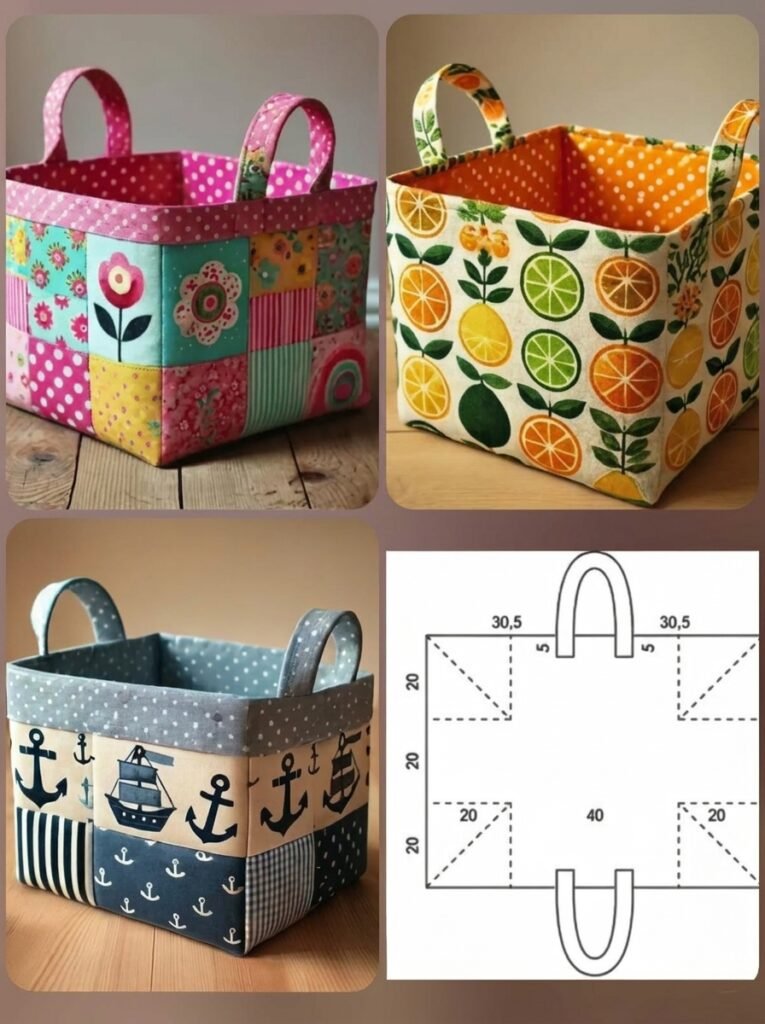
How to make bag from old jeans is one of the most rewarding sewing projects for anyone who enjoys creative upcycling and practical handmade accessories. Instead of throwing away worn or unused denim, you can transform it into a stylish, durable, and eco-friendly bag that is perfect for everyday use. Whether you are an experienced sewist or just beginning your sewing journey, learning How to make bag from old jeans allows you to give new life to fabric that still has plenty of character and strength.
Old denim is one of the best materials for reusable bags because it is naturally durable, versatile, and available in many different shades of blue, black, gray, and even colored denim. Every pair of jeans tells its own story through faded seams, decorative pockets, and textured stitching. These unique details become beautiful design elements that make every finished bag completely one of a kind. By combining creativity with basic sewing skills, you can create a functional accessory that reflects your personal style while reducing textile waste.
In this complete step-by-step tutorial, you will learn How to make bag from old jeans using simple sewing techniques that are suitable for beginners and enjoyable for experienced makers alike. From selecting the right pair of jeans and preparing the fabric to cutting the pieces, assembling the bag, adding sturdy handles, sewing the lining, and finishing with professional details, this guide explains every stage of the project clearly. By following these instructions, you can recreate the bag shown in the photo while gaining confidence in your sewing abilities and creating a beautiful handmade accessory.
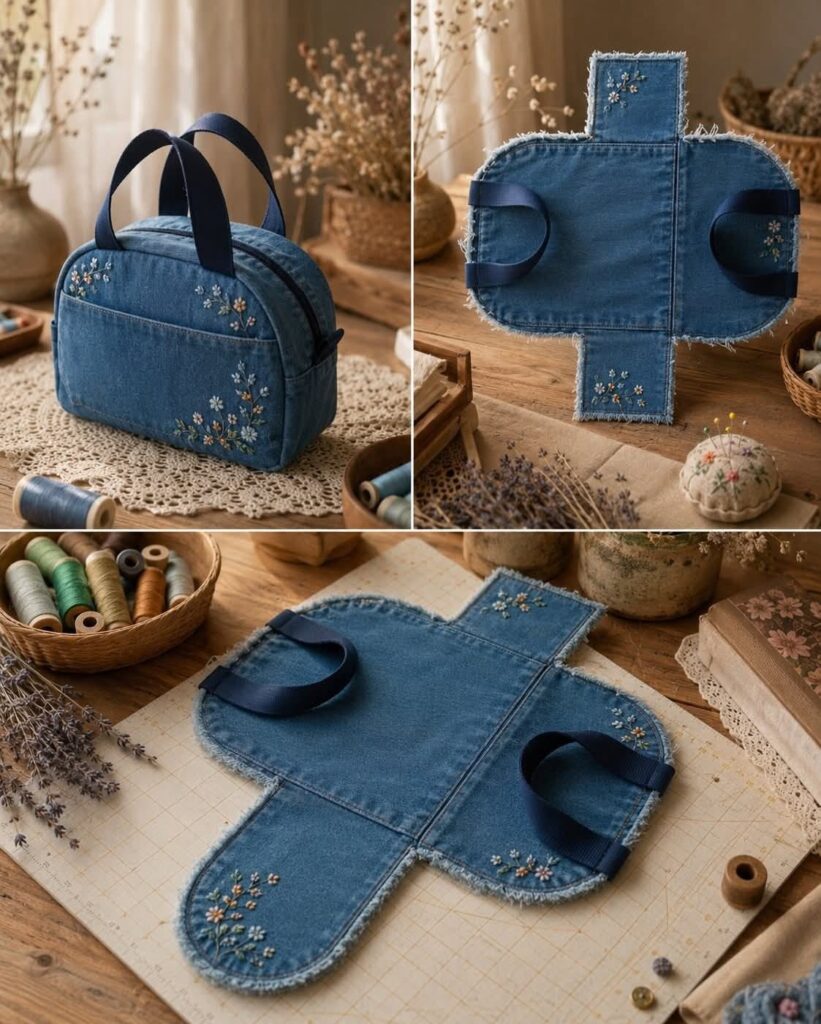
Choose the Right Jeans and Prepare Your Materials
The first step in learning How to make bag from old jeans is selecting a suitable pair of denim jeans. Medium-weight or heavyweight denim works best because it provides structure and durability. Even if the knees are worn or the hems are frayed, many sections of the jeans can still be reused successfully.
Gather all of your sewing supplies before starting. You will need sharp fabric scissors or a rotary cutter, cutting mat, quilting ruler, sewing machine, denim needle, coordinating thread, pins or sewing clips, measuring tape, iron, lining fabric, interfacing if desired, and optional decorative notions such as buttons or labels.
Wash and dry the jeans before cutting. Clean fabric is easier to work with, removes dirt or oils, and minimizes shrinkage after the bag has been completed. Press the denim carefully using steam to flatten heavy seams and wrinkles.
Examine the jeans closely and decide which features you would like to include in your design. Back pockets, belt loops, decorative stitching, and original seams can all become attractive details that give the finished bag extra personality.
Carefully remove thick inseams if necessary to create flatter fabric panels. Cutting around bulky seam allowances makes measuring and cutting much easier while reducing unnecessary thickness during sewing.
Plan the size of your finished bag before cutting any fabric. Whether you want a shopping tote, shoulder bag, handbag, or everyday carryall, sketching a simple layout helps ensure that every denim section is used efficiently.
Step-by-Step Guide on How to Make Bag from Old Jeans
Begin by cutting two matching rectangles from the denim for the front and back panels of the bag. If you wish to include the original back pocket, position your pattern piece so the pocket remains centered on one panel.
Cut matching pieces from your lining fabric using the same measurements as the denim panels. If additional structure is desired, apply fusible interfacing to the wrong side of either the denim or the lining before sewing.
Place the denim panels right sides together and sew the side seams and bottom edge using a sturdy straight stitch and a consistent seam allowance. Reinforce the beginning and end of each seam with backstitching for added durability.
Create boxed corners by flattening each bottom corner, measuring equal distances from the point, stitching across the marked line, and trimming away the excess fabric. This technique gives the bag depth and allows it to stand upright more easily.
Prepare sturdy handles using leftover denim strips, cotton webbing, or coordinating fabric. Fold the long edges inward, press, fold again, and topstitch both sides to create strong straps capable of supporting everyday use.
Assemble the lining separately, leaving a small opening along the bottom edge. Place the denim bag inside the lining with right sides together, sew around the top edge, turn the bag right side out through the opening, close the opening neatly, and finish with topstitching around the upper edge for a polished appearance.
Sewing Tips for a Strong and Stylish Denim Bag
Because denim is thicker than quilting cotton, always use a denim or heavy-duty sewing needle. This helps prevent skipped stitches and reduces the risk of breaking needles while sewing through multiple fabric layers.
Increase your stitch length slightly when sewing heavy denim. Longer stitches produce smoother seams and make it easier for the sewing machine to feed thick fabric evenly through the machine.
If your sewing machine struggles over bulky seam intersections, use a hump jumper or fold a small piece of fabric behind the presser foot to keep it level as it crosses thick areas.
Decorate your bag with decorative stitching, embroidery, appliqué, fabric labels, lace, or colorful fabric scraps. These additions personalize your project while making excellent use of leftover sewing materials.
Take advantage of the original jean pockets whenever possible. Exterior pockets are perfect for storing keys, phones, notebooks, or small accessories without requiring additional construction.
Press each seam after sewing rather than waiting until the project is complete. Regular pressing helps reduce bulk, improves accuracy, and gives the finished bag a clean and professional appearance.
Creative Ways to Personalize Your Denim Bag
One of the best aspects of learning How to make bag from old jeans is the opportunity to customize every detail. Different washes of denim create unique visual effects, while contrasting lining fabrics add a cheerful surprise inside the finished bag.
Combine several pairs of jeans with different shades of blue to create an attractive patchwork effect. Mixing light, medium, and dark denim gives the bag texture and visual depth without requiring complicated sewing techniques.
Add an interior zippered pocket to safely store valuables such as wallets, keys, or phones. Interior pockets increase functionality while maintaining a neat and organized interior.
Attach magnetic snaps, buttons, drawstrings, or zipper closures depending on how you plan to use the bag. Secure closures make the finished project even more practical for everyday activities.
Create matching accessories such as wallets, coin purses, pencil cases, or keychains using leftover denim scraps. Coordinated handmade accessories make wonderful gifts while reducing fabric waste.
After completing your project, gently press the finished bag and inspect every seam for strength. A well-constructed denim bag can provide years of reliable use while showcasing your creativity and sewing skills.
Frequently Asked Questions
Is this project suitable for beginners?
Yes. Learning How to make bag from old jeans is an excellent beginner sewing project because it teaches essential techniques such as straight stitching, constructing boxed corners, attaching handles, and sewing a lining.
What type of jeans work best?
Medium-weight or heavyweight denim jeans are ideal because they provide excellent durability while remaining manageable for most home sewing machines.
Do I need interfacing?
Interfacing is optional. Heavy denim often provides enough structure on its own, but lightweight denim benefits from medium-weight fusible interfacing for additional stability.
Can I keep the original pockets?
Absolutely. Many sewists intentionally incorporate the original back pockets because they add both decorative appeal and useful storage to the finished bag.
What kind of thread should I use?
High-quality polyester thread is recommended because it offers excellent strength and durability for projects that will receive regular use.
Can I wash the finished bag?
Yes. Most denim bags can be machine washed using a gentle cycle with mild detergent. Air drying or low-heat drying helps preserve the fabric and stitching.
How can I make the bag stronger?
Use reinforced stitching, sturdy handles, quality thread, boxed corners, and backstitching at stress points. These techniques significantly improve the bag’s durability.
Can I make different bag styles using old jeans?
Certainly. Old denim can be transformed into tote bags, shoulder bags, backpacks, crossbody bags, handbags, cosmetic pouches, storage baskets, and many other creative sewing projects.
Conclusion
Learning How to make bag from old jeans is a practical and enjoyable way to combine creativity, sustainability, and useful sewing skills into one rewarding project. Throughout this tutorial, you discovered how to prepare recycled denim, cut accurate pattern pieces, construct sturdy bag panels, sew boxed corners, attach durable handles, create a neat lining, and personalize the finished accessory with decorative details. These techniques allow you to transform old jeans into a stylish bag that is both functional and environmentally friendly.
As you gain confidence with How to make bag from old jeans, you can experiment with different denim washes, colorful linings, patchwork designs, decorative stitching, and creative embellishments to develop your own unique style. Every handmade bag tells its own story while giving new purpose to fabric that might otherwise go unused. If you enjoyed this tutorial, please leave your honest opinion and share your suggestions for future sewing and upcycling projects. Your feedback is greatly appreciated and helps inspire new creative ideas for makers around the world.