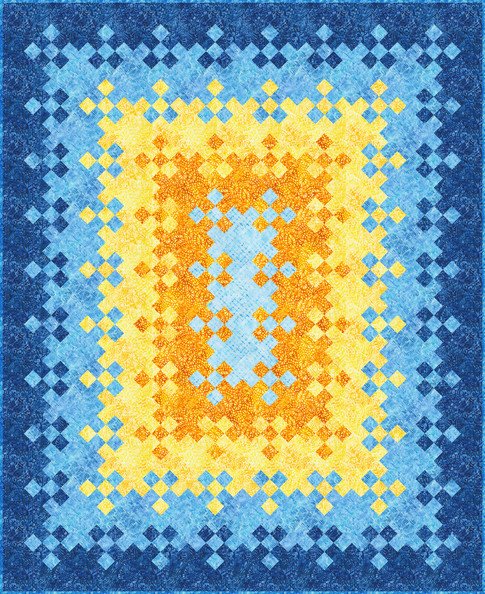
The Blooming Nine Patch Quilt is a timeless design loved by quilters for its gradual color transitions and the illusion of soft movement across the fabric. This charming pattern blends simplicity with artistic depth, creating a quilt that feels both traditional and modern. Whether you’re a beginner eager for a structured project or an experienced quilter wanting a dramatic visual effect, the Blooming Nine Patch Quilt offers endless creative possibilities.
One of the reasons this pattern has become so popular is its ability to showcase fabric collections beautifully. The layout highlights subtle color shifts, allowing even simple prints to create a complex, blooming effect. Unlike many quilting patterns that rely heavily on intricate piecing, the Blooming Nine Patch Quilt uses the classic nine-patch block to create a sophisticated design.
Another advantage of the Blooming Nine Patch Quilt is its flexibility. Quilters can customize the size, color palette, and number of transitions to match their home décor or personal taste. Whether you prefer bold jewel tones, soft pastels, rustic country colors, or modern monochromes, this quilt adapts beautifully.
Materials Needed for a Blooming Nine Patch Quilt
Choose a range of fabrics that create smooth color transitions. Most quilters use 8 to 12 different prints that blend gradually from light to dark or from one color family to another. This fabric selection is the key element that brings the Blooming Nine Patch Quilt to life.
High-quality quilting cotton works best for this pattern because it handles well and presses cleanly. Cotton allows for crisp seams and consistent blocks, which are essential for the visual transitions.
Neutral thread is recommended for piecing. A light grey or beige thread is often preferred because it blends with most fabrics and provides strong seams without drawing attention.
You will also need basic quilting tools such as a rotary cutter, cutting mat, acrylic ruler, and fabric scissors. These tools ensure that each piece is cut accurately, which is crucial for the nine-patch construction.
A sewing machine with accurate stitching is helpful for maintaining consistent seam allowances. A 1/4-inch quilting foot can make piecing the Blooming Nine Patch Quilt much easier.
Finally, gather batting and backing fabric. The backing can either complement the quilt top or contrast it. Many quilters choose a subtle print for a soft look or a bold fabric for a reversible quilt option.
How to Sew the Blooming Nine Patch Quilt Step by Step
Begin by organizing your fabrics from lightest to darkest. This creates a smooth path for the blooming effect. Take time arranging them until the transition feels natural and visually balanced.
Cut your fabrics into strips for the nine-patch blocks. Maintaining consistency is essential. Even slight variations can alter the transition, so measure carefully while cutting.
Sew the strips into strip sets that alternate between light, medium, and dark fabrics. Press the seams to one side for durability and ease of nesting during assembly.
Subcut the strip sets into segments to create the nine-patch units. These units will form the foundational pattern of your Blooming Nine Patch Quilt, gradually shifting from the center outward.
Arrange the nine-patch blocks and plain squares according to your color gradient. The placement is what creates the blooming effect, so take time adjusting until the layout feels perfect.
Finally, sew the blocks together row by row. Press each row before attaching it to the next. Once the quilt top is complete, layer it with batting and backing, quilt as desired, and bind the edges neatly.
Design Variations for the Blooming Nine Patch Quilt
A traditional version uses soft transitions that blend almost invisibly. This classic approach creates a gentle, flowing quilt that resembles watercolor artwork, making it ideal for bedrooms or guest rooms.
A bold and modern variation uses high-contrast prints that shift dramatically. This version turns the Blooming Nine Patch Quilt into a statement piece with strong visual impact.
Another beautiful option is using floral fabrics to create a garden-inspired theme. The blooming effect works naturally with florals, enhancing the softness and natural movement of the design.
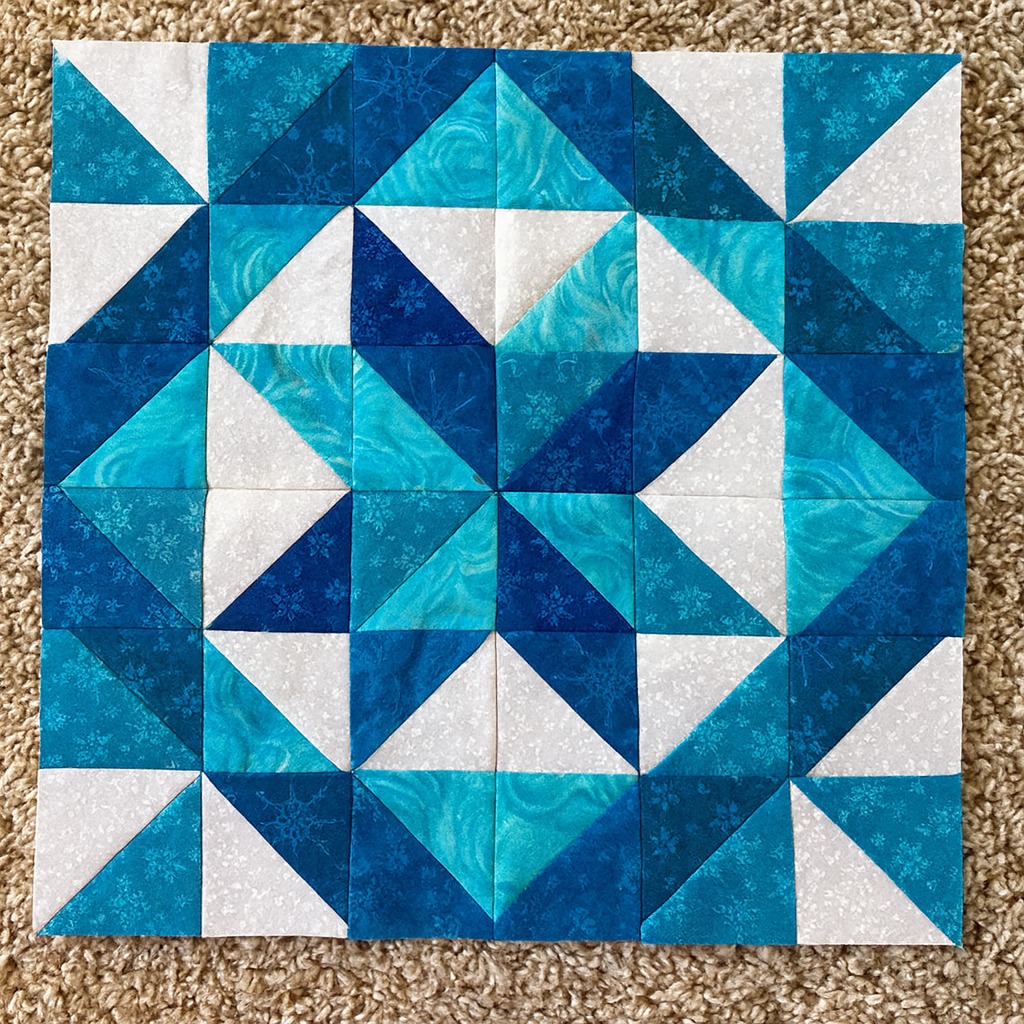
For a winter or holiday look, use icy blues, whites, and silvers. This creates a frosty, elegant quilt that feels magical during the colder months and complements seasonal décor.
A rustic version can be made using deep reds, tans, browns, and warm earthy prints. This style blends perfectly with farmhouse or cabin interiors and feels cozy year-round.
Some quilters enjoy adding appliqué or embroidery to the center or borders for extra detail. These optional embellishments personalize the Blooming Nine Patch Quilt and make it even more unique.
Tips for Success When Making a Blooming Nine Patch Quilt
Plan your color transitions carefully. Smooth blending is essential for the blooming effect, so take your time choosing fabrics that shift gently from one shade to another.
Press your seams as you go. Proper pressing keeps your blocks flat and helps maintain accurate piecing, which is important for this structured pattern.
Use consistent 1/4-inch seam allowances. Even small inconsistencies can disrupt the flow of the nine-patch units, so accuracy is key.
Lay out your blocks before sewing. Visualizing the whole quilt helps you identify places where the color gradient may need adjusting. This step ensures the Blooming Nine Patch Quilt blooms beautifully.
Quilt with either simple straight lines or gentle curves. Both quilting styles enhance the movement of the pattern. Minimal quilting allows the fabric transitions to shine.
Choose a binding color that complements the final edge of your quilt. Soft bindings blend in, while bold bindings create a striking frame around the design.
FAQ – Blooming Nine Patch Quilt
1. Is the Blooming Nine Patch Quilt suitable for beginners?
Yes, beginners can make it, but planning the color transitions requires patience and attention to detail.
2. How many fabrics are needed?
Most quilters use 8–12 fabrics to create a smooth blooming effect.
3. Does fabric color selection matter?
Absolutely. The entire design relies on gradual transitions between prints and colors.
4. What size does this quilt typically end up?
It varies, but most versions range from lap size to queen size depending on the number of rows.
5. Can I use precut fabrics?
You can, but coordinating colors for smooth transitions may be challenging unless using a curated bundle.
6. What quilting style works best?
Simple quilting enhances the design, while heavy quilting can distract from the blooming effect.
Conclusion
The Blooming Nine Patch Quilt is a stunning project that combines classic quilting techniques with artistic color blending. Its graceful transitions and timeless charm make it a rewarding quilt for both beginners and experienced makers. With thoughtful fabric selection and careful piecing, your quilt will bloom beautifully and become a treasured piece in your collection.