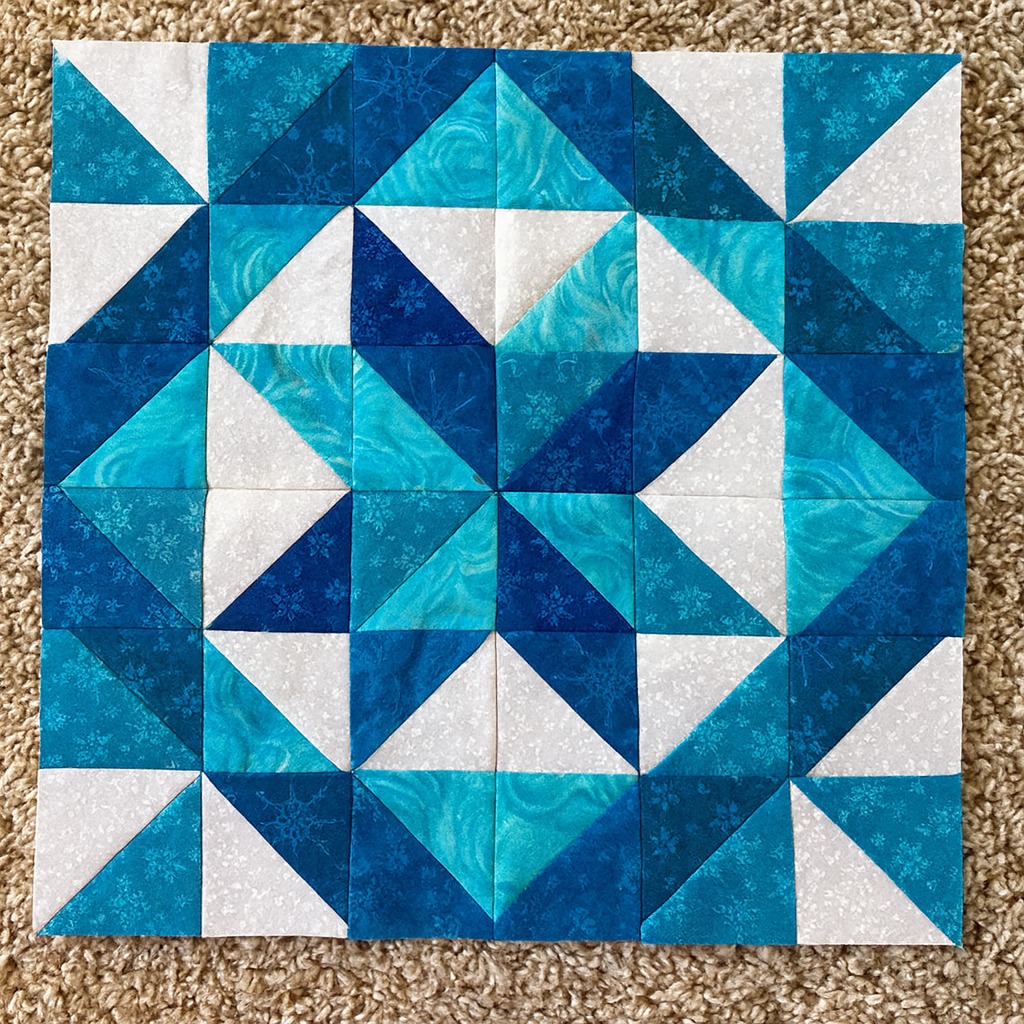
Double Aster Block Pattern is a timeless quilt block that combines elegant geometry with the delicate beauty of floral-inspired patchwork. Whether you are an experienced quilter or just beginning your quilting journey, learning how to create the Double Aster Block Pattern is a rewarding experience that helps build essential piecing skills while producing a stunning design. This classic block has remained popular for generations because of its balanced layout, eye-catching points, and incredible versatility in quilts of every size and style.
One of the greatest advantages of the Double Aster Block Pattern is that it works beautifully with almost any fabric collection. From soft pastel florals and reproduction prints to modern solids and bold contemporary colors, this block adapts easily to different quilting aesthetics. The symmetrical arrangement allows contrasting fabrics to highlight the star-like petals, creating movement and depth that immediately attracts attention. Because of its flexibility, many quilters enjoy using this block for bed quilts, table runners, wall hangings, pillows, and seasonal decorations.
In this complete tutorial, you will learn every step required to successfully make a Double Aster Block Pattern, from choosing fabrics and cutting accurate pieces to assembling the units, pressing seams correctly, and finishing a polished quilt block. Along the way, you’ll also discover practical quilting tips that improve accuracy, reduce fabric waste, and help every point align neatly. Whether you sew with a machine or enjoy careful precision piecing, this guide will help you confidently complete a beautiful quilt block while improving your quilting techniques.
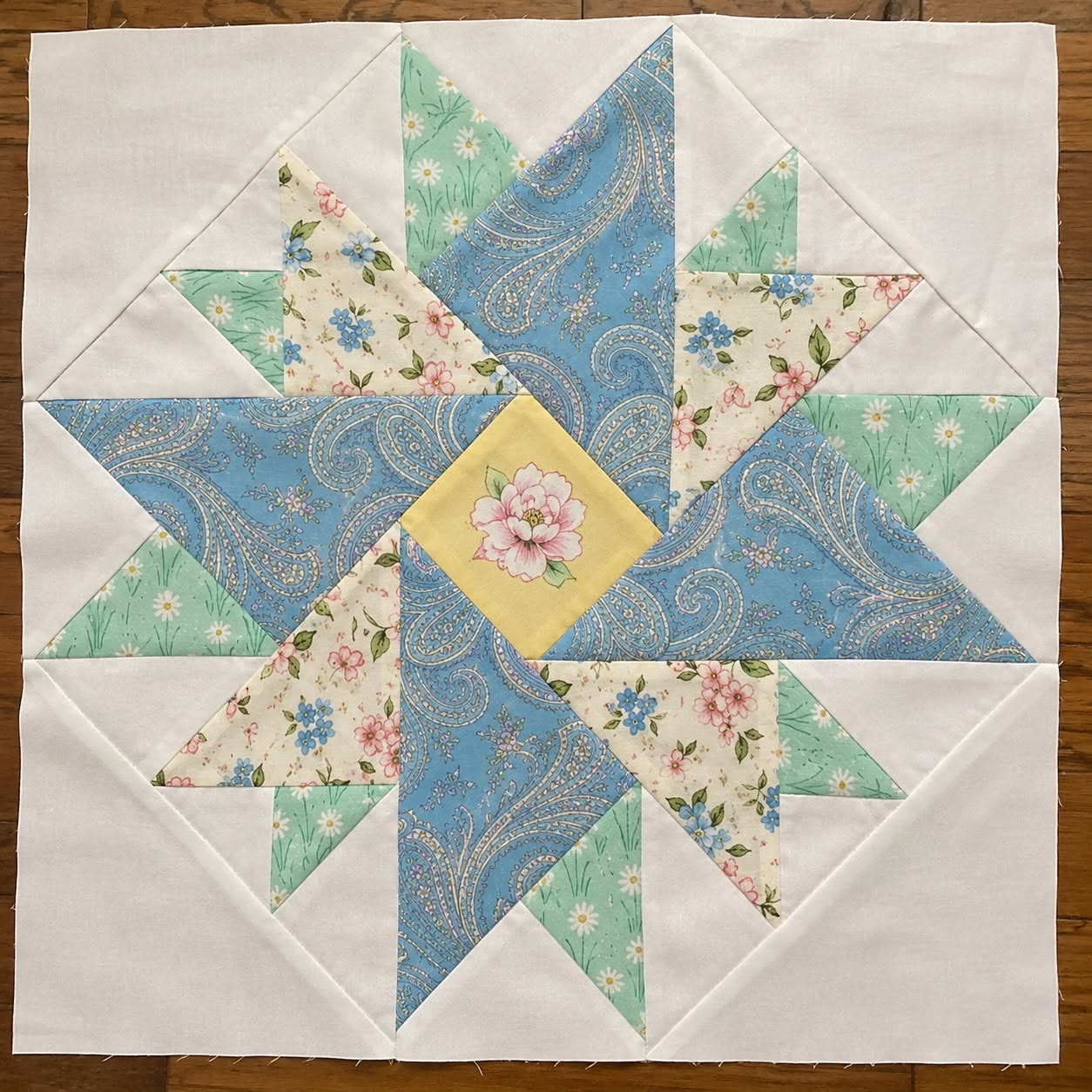
Choosing Fabrics and Preparing for the Double Aster Block Pattern
Before beginning your Double Aster Block Pattern, take time to carefully select fabrics that create strong contrast between the flower petals, background, and center. Good fabric selection plays an important role in making the design stand out clearly once assembled.
Choose a light background fabric to emphasize the shape of the aster petals. White, cream, ivory, light gray, or soft beige are popular choices because they create a clean backdrop that allows the star-like design to shine.
For the petals, select fabrics with medium or dark values. Floral prints, batiks, tone-on-tone cottons, reproduction fabrics, or vibrant solids all work beautifully. Consider combining two coordinating colors to emphasize the “double” appearance within the block.
The center square provides an opportunity to add a focal point. Many quilters choose a bold contrasting print, a small floral motif, or a rich solid color that visually anchors the entire block.
Gather essential quilting tools before cutting. A rotary cutter, self-healing cutting mat, quilting ruler, fabric marker, sewing machine, neutral thread, fine pins, and a hot iron will make the piecing process smoother and more accurate.
Carefully press all fabrics before cutting. Accurate pressing removes wrinkles and helps every patch maintain its exact dimensions. Precision during preparation greatly improves the final appearance of the Double Aster Block Pattern.
Cutting and Piecing the Double Aster Block Pattern
Begin by cutting every fabric piece according to your chosen block size. Maintaining consistent measurements is one of the most important factors for achieving sharp points and perfectly matching seams throughout the Double Aster Block Pattern.
Separate your cut pieces into organized groups before sewing. Keeping background units, petal units, corner squares, and center pieces arranged individually reduces confusion and speeds up assembly.
Create the petal units first by sewing small squares or half-square triangle components together, depending on the specific variation of the block. Sew with a consistent quarter-inch seam allowance to ensure every unit remains accurate.
Press each seam carefully after stitching. Many experienced quilters prefer pressing seams toward the darker fabric to reduce shadowing, while others press seams open to reduce bulk. Either method works well when applied consistently.
Assemble the smaller units into rows. Before sewing, lay all pieces on a flat design surface to verify orientation and ensure the petal shapes are facing the correct direction. This simple step helps prevent common assembly mistakes.
Join the completed rows together slowly, matching seam intersections carefully. Pinning every intersection allows points to align neatly, creating the crisp, symmetrical appearance that makes the Double Aster Block Pattern so visually striking.
Building Accuracy and Adding Creative Variations
One of the defining characteristics of the Double Aster Block Pattern is its symmetry. Taking time to sew accurately ensures the flower-like shape remains balanced and attractive from every angle.
Trim individual units whenever necessary before final assembly. Small corrections during construction often prevent larger alignment problems once the rows are sewn together.
Experiment with color placement to create different visual effects. High-contrast combinations produce bold, dramatic blocks, while fabrics with similar values create a softer, blended appearance suitable for traditional quilts.
Scrappy versions of the Double Aster Block Pattern are especially charming. Using leftover fabric pieces from previous quilting projects gives every petal its own personality while reducing fabric waste and creating a vibrant patchwork look.
Chain piecing can greatly improve efficiency when making multiple blocks. Sewing identical units continuously without cutting thread between pieces saves time and maintains consistent stitching throughout the project.
After completing each block, measure it carefully to confirm the finished dimensions. Uniform block sizes make quilt assembly significantly easier and ensure borders, sashing, and neighboring blocks fit together accurately.
Finishing Your Quilt with the Double Aster Block Pattern
Once several Double Aster Block Pattern blocks have been completed, arrange them on a design wall or large table before sewing them together. Viewing the entire layout allows you to balance colors, distribute prints evenly, and make adjustments before final assembly.
Adding sashing between blocks creates additional visual separation and highlights each individual floral design. Narrow borders often produce an elegant traditional appearance, while wider sashing creates a more modern layout.
Cornerstones placed at sashing intersections introduce another opportunity for creative design. Small coordinating squares can echo the center of each block or introduce an entirely new accent color.
After assembling the quilt top, layer it with batting and backing fabric. Smooth each layer carefully before basting to prevent shifting during quilting and to achieve a professional finish.
Choose quilting designs that complement the floral geometry. Straight-line quilting enhances the structured appearance of the block, while free-motion feathers, loops, vines, or floral motifs emphasize the organic inspiration behind the Double Aster Block Pattern.
Finish the quilt by attaching a carefully prepared binding using your preferred method. A neatly sewn binding frames the quilt beautifully, protects the edges from wear, and completes your handmade project with lasting durability.
FAQ About Double Aster Block Pattern
Is the Double Aster Block Pattern suitable for beginners?
Yes. Confident beginners who understand accurate cutting and quarter-inch seam allowances can successfully complete this block while developing important quilting skills.
What fabrics work best for the Double Aster Block Pattern?
High-quality quilting cotton is the preferred choice because it presses well, cuts accurately, and maintains stable dimensions throughout construction.
How can I make my block points match perfectly?
Accurate cutting, consistent seam allowances, careful pressing, and pinning seam intersections before stitching all contribute to sharp, matching points.
Can I make this block in different sizes?
Absolutely. The Double Aster Block Pattern can be scaled to many different dimensions by adjusting the cutting measurements while preserving the block’s proportions.
What projects can use this quilt block?
This versatile block works wonderfully for bed quilts, lap quilts, baby quilts, pillows, table runners, wall hangings, tote bags, placemats, and decorative seasonal projects.
Should I prewash my fabric?
Many quilters prefer prewashing to reduce shrinkage and remove excess dye, while others choose not to prewash for improved fabric stability during piecing. Either approach can produce excellent results when applied consistently.
Can I use scraps for this project?
Yes. The Double Aster Block Pattern is an excellent scrap quilting project because the smaller pieces allow many different prints and colors to work together beautifully.
Conclusion
The Double Aster Block Pattern is a beautiful quilting design that combines classic elegance, precise geometry, and endless creative possibilities. Throughout this tutorial, you learned how to choose complementary fabrics, prepare accurate cuts, assemble each section carefully, press seams for professional results, and complete a stunning quilt block with confidence. You also explored valuable quilting techniques that improve accuracy, help preserve sharp points, and simplify the construction process whether you are making a single decorative block or an entire quilt.
As your quilting experience grows, this timeless block can easily become part of countless future projects thanks to its versatility and ability to adapt to both traditional and modern fabric collections. Every completed block offers an opportunity to refine your skills while creating something beautiful that can be treasured for years or even generations.
If you enjoyed this tutorial, we would truly love to hear from you. Please leave your honest opinion about the project, share your quilting experience, and let us know what color combinations or creative variations you tried. Your sincere feedback and suggestions help inspire other quilters and contribute to even more helpful tutorials in the future.