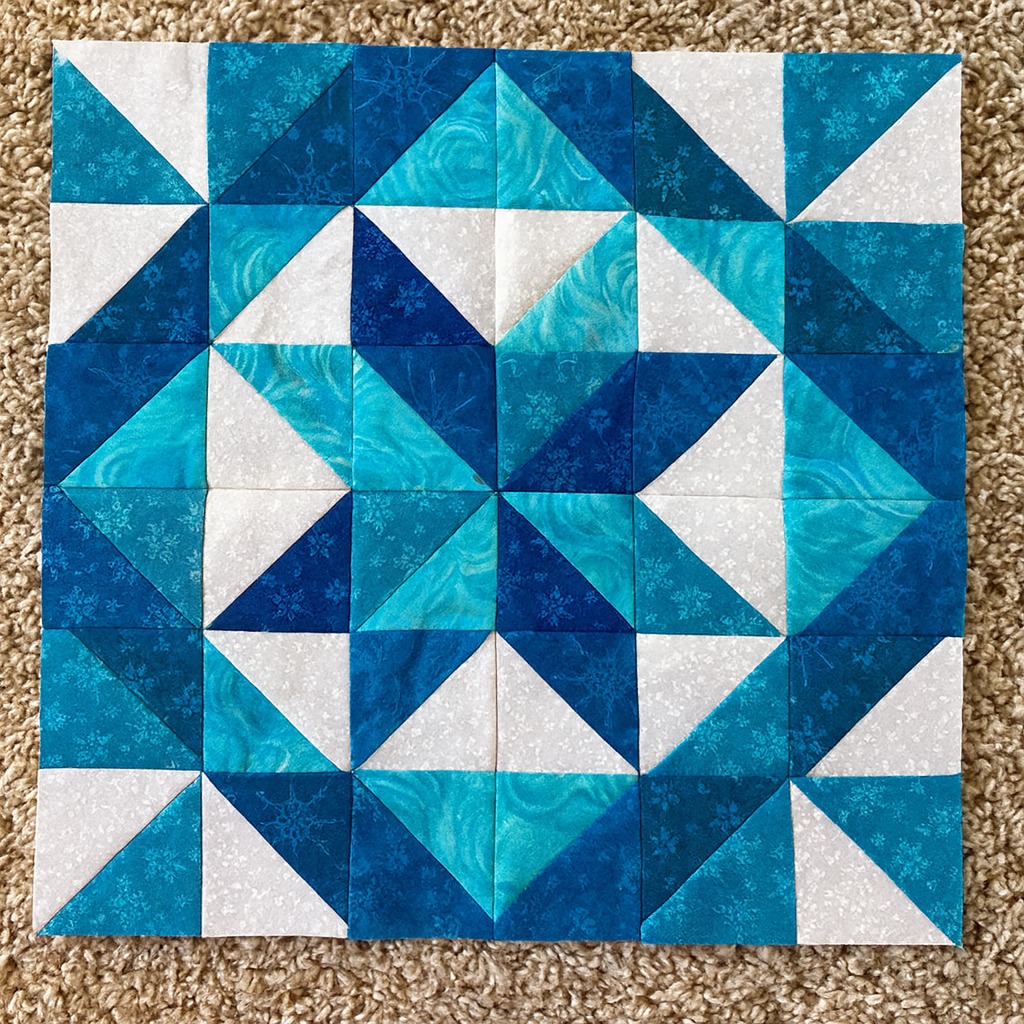
The Ember Quilt Pattern is a striking and modern quilting design that captures the glowing beauty of embers fading in a warm fire. With its bold geometry and dynamic color play, this pattern has quickly become a favorite among quilters who want to create something visually powerful yet approachable. Whether you are a confident beginner or an experienced quilter, the Ember design offers both creative freedom and structured precision.
In this complete guide to the Ember Quilt Pattern, you will learn how to choose fabrics, understand the block construction, and assemble your quilt with confidence. This pattern is especially loved because it can look dramatically different depending on your color choices—ranging from soft and subtle to vibrant and high-contrast.
Throughout this tutorial, we will break down the modern quilt pattern step by step, share practical tips for accuracy, and explore creative variations to help you personalize your project. By the end, you’ll feel ready to start your own Ember-inspired quilt and achieve beautiful, professional-looking results.
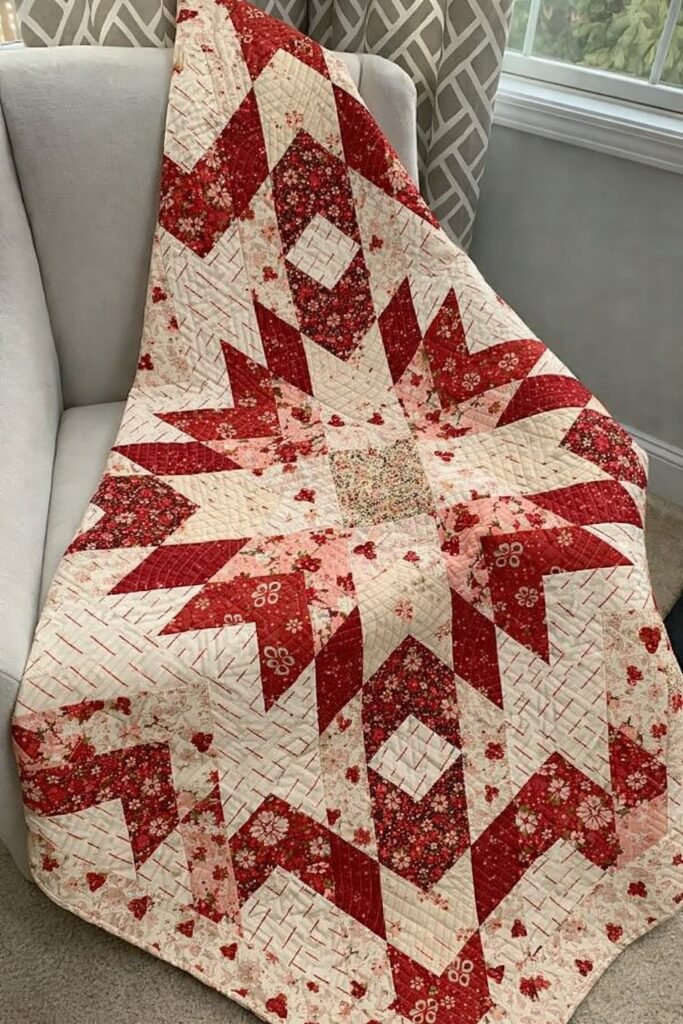
Materials and Fabric Selection for Ember Quilt Pattern
Choosing the right materials is the foundation of a successful Ember Quilt Pattern project. Fabric selection, in particular, plays a major role in achieving the glowing ember effect that makes this quilt so visually appealing.
Start with high-quality quilting cotton. Most modern quilt pattern designs, including Ember-style quilts, rely on crisp cotton fabrics because they press well and maintain sharp piecing lines. Look for fabrics with tight weaves and minimal stretch.
Color planning is especially important for the Ember Quilt Pattern. Traditional versions often use gradients of warm tones—such as deep reds, burnt oranges, and golden yellows—to mimic the look of glowing embers. However, cool palettes like blues and purples can create a stunning contemporary twist.
You will also need background fabric that contrasts clearly with your feature colors. A well-chosen background helps the geometric shapes in the Ember Quilt Pattern stand out and gives the quilt its signature depth.
Essential tools include a rotary cutter, acrylic ruler, and self-healing cutting mat. Accurate cutting is critical in any modern quilt pattern, especially one with strong geometric elements.
Finally, select quality batting and backing fabric. Medium-weight cotton batting is a popular choice because it provides softness without excessive bulk, helping your finished Ember quilt drape beautifully.
Step-by-Step Construction of the Ember Quilt Pattern
Understanding the construction process makes the Ember Quilt Pattern much easier to complete successfully. Taking your time with each step will ensure crisp points and smooth assembly.
Begin by carefully cutting all fabric pieces according to your chosen modern quilt pattern measurements. Precision here will save you significant frustration later. Labeling your pieces can also help keep everything organized.
Next, start piecing the individual units that form the Ember blocks. Most Ember Quilt Pattern designs rely on half-square triangles, rectangles, or angled units that create the glowing, radiating effect. Sew with a consistent ¼-inch seam allowance.
Press your seams carefully after each step. Proper pressing—not ironing back and forth—helps maintain accuracy and reduces fabric distortion. This is especially important in geometric modern quilt pattern projects.
Once your units are complete, assemble them into full quilt blocks. Lay out the pieces before sewing to confirm orientation. Many quilters find that photographing the layout helps avoid mistakes.
After completing all blocks, arrange them on a design wall or flat surface. The layout stage is where the Ember Quilt Pattern truly comes alive, allowing you to balance color flow and visual movement.
Finally, sew the blocks into rows, join the rows together, and add borders if your chosen design includes them. Your quilt top is now ready for quilting and finishing.
Tips for Accuracy and Professional Results
Even confident quilters can benefit from a few expert techniques when working on the Ember Quilt Pattern. Small improvements in process can dramatically elevate your final quilt.
Always maintain an accurate ¼-inch seam allowance. In any modern quilt pattern, even slight deviations can cause blocks to misalign. Consider using a quarter-inch presser foot for consistency.
Starch your fabric lightly before cutting. This helps stabilize the fabric and improves cutting precision, which is especially helpful for the sharp angles often found in the Ember Quilt Pattern.
Chain piecing can speed up your workflow and keep your units consistent. Many quilters use this technique when producing multiple units for a modern quilt pattern.
Trim and square up units as you go. While it may feel time-consuming, this step ensures your blocks finish at the correct size and keeps the Ember design crisp.
Use a design wall whenever possible. Seeing your Ember Quilt Pattern layout vertically makes it easier to spot color imbalances or orientation mistakes early.
Finally, take breaks during long sewing sessions. Fatigue often leads to small errors, and quilting with a fresh eye always produces better results.
Creative Variations of the Ember Quilt Pattern
One of the most exciting aspects of the Ember Quilt Pattern is how easily it can be customized. With thoughtful changes, you can create a quilt that feels completely unique.
Try experimenting with unexpected color palettes. While warm gradients are classic, monochrome schemes or jewel tones can transform the modern quilt pattern into something bold and contemporary.
You can also play with scale. Enlarging the blocks creates a dramatic, modern look, while smaller blocks produce a more intricate and detailed Ember Quilt Pattern.
Consider using low-volume prints for the background instead of solid fabric. This subtle texture can add depth without distracting from the main design.
Another option is to incorporate negative space quilting. Leaving portions of the quilt more open allows the ember shapes to stand out and gives your modern quilt pattern a gallery-style finish.
For added interest, experiment with different quilting motifs such as straight-line quilting, echo quilting, or gentle curves that mimic the glow of embers.
Finally, try a scrappy version using fabric leftovers. A scrappy Ember Quilt Pattern can look incredibly dynamic while also being a great stash-busting project.
FAQ About Ember Quilt Pattern
Is the Ember Quilt Pattern suitable for beginners?
Yes, confident beginners can successfully complete the Ember Quilt Pattern, especially if they are comfortable with accurate cutting and consistent seam allowances.
What size quilt works best for this pattern?
The modern quilt pattern is very flexible and can be adapted for baby quilts, throws, or full-size bed quilts by adjusting the number of blocks.
Do I need special tools for the Ember Quilt Pattern?
Basic quilting tools such as a rotary cutter, ruler, and sewing machine are sufficient. Precision tools simply improve accuracy.
How do I choose colors for the ember effect?
Use a gradient of values from dark to light. Warm tones create a traditional ember look, but any coordinated palette can work beautifully.
Can I make a scrappy version?
Absolutely. A scrappy Ember Quilt Pattern is popular and adds wonderful visual texture.
How long does this quilt usually take to complete?
Depending on size and experience level, most quilters finish a throw-size modern quilt pattern in a few days to a couple of weeks.
Conclusion
The Ember Quilt Pattern is a stunning project that blends bold geometry with beautiful color movement. In this guide, you learned how to select fabrics, piece the blocks accurately, apply professional quilting tips, and explore creative variations that make the design uniquely yours. This modern quilt pattern offers both structure and artistic freedom, making it a rewarding project for quilters at many skill levels.
With careful cutting, consistent seams, and thoughtful color placement, your Ember quilt can become a true showpiece. Take your time, enjoy the process, and don’t be afraid to experiment with your own creative touches.