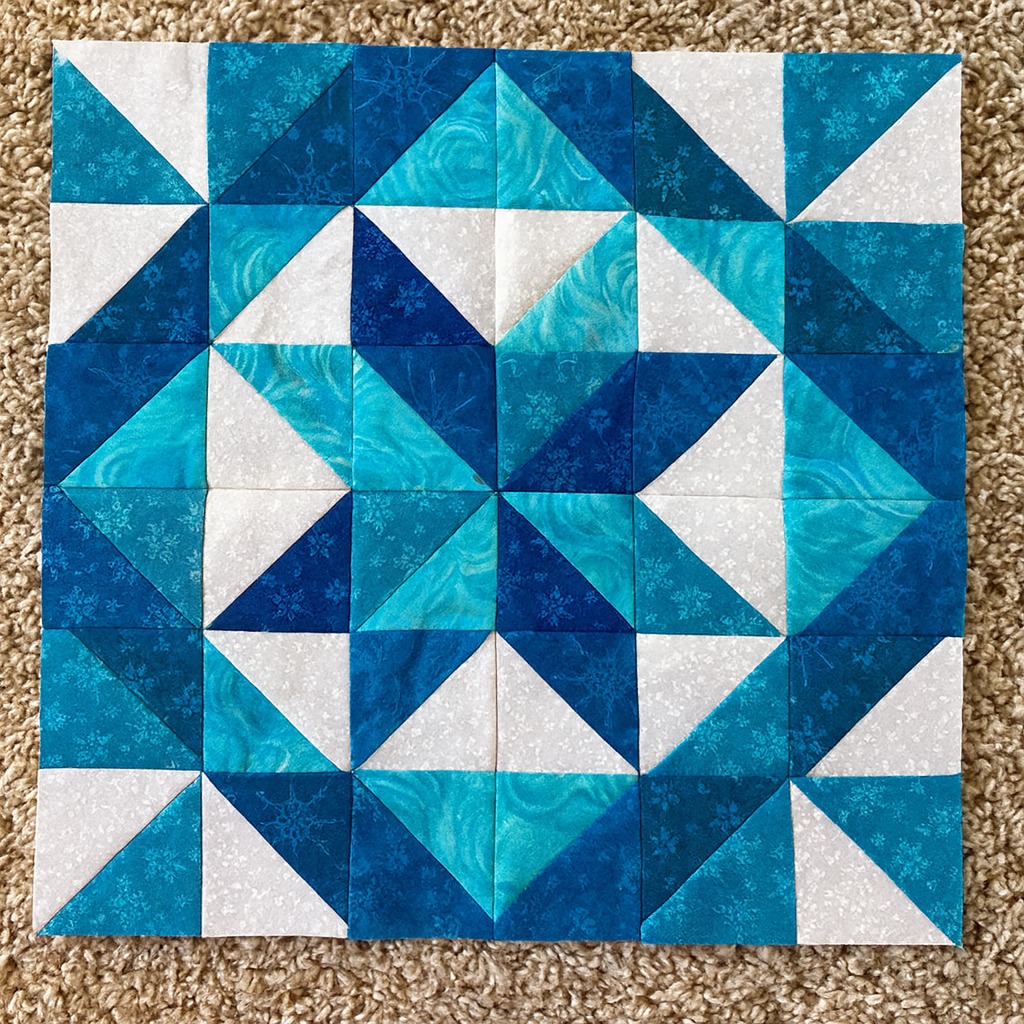
The Geometric Log Cabin Quilt Pattern is a timeless quilting design that beautifully combines traditional patchwork techniques with bold geometric creativity. Known for its structured layout, striking symmetry, and endless design possibilities, the Geometric Log Cabin Quilt Pattern has remained one of the most admired quilt styles among quilters of all generations.
One of the reasons why the Geometric Log Cabin Quilt Pattern is so popular is its ability to create stunning visual effects using simple fabric strips arranged around a central square. By carefully organizing color placement and block orientation, quilters can create dramatic geometric illusions, movement, depth, and intricate patterns that appear far more complex than the individual blocks themselves.
Another appealing feature of the Geometric Log Cabin Quilt Pattern is its versatility. Some quilters prefer traditional rustic styles using warm earth tones and reproduction fabrics, while others create sleek modern interpretations with bold solids, monochromatic palettes, or high-contrast geometric arrangements.
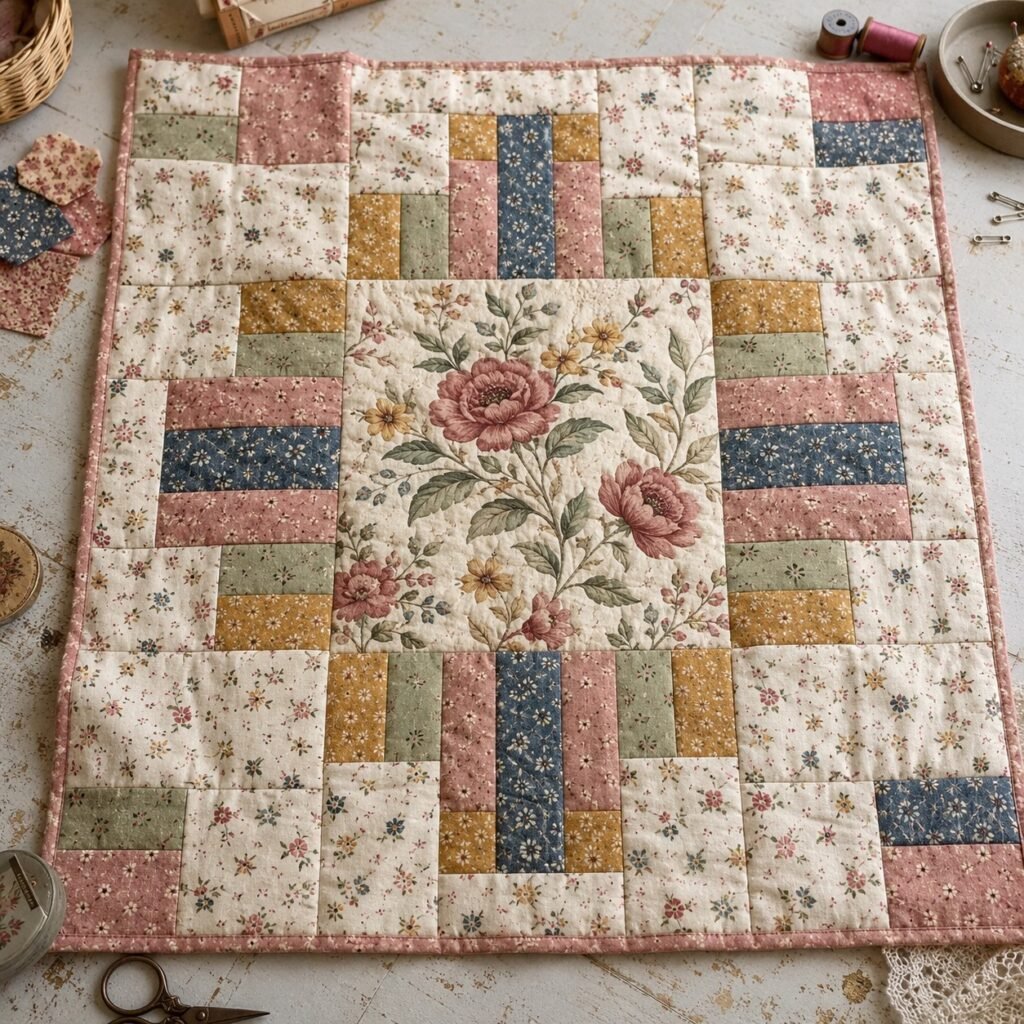
Materials Needed for a Geometric Log Cabin Quilt Pattern
Choosing the right materials is one of the most important steps when creating a beautiful Geometric Log Cabin Quilt Pattern. Fabric selection greatly influences the visual impact, symmetry, and overall mood of the finished quilt.
Cotton quilting fabric is the most commonly used material for a Geometric Log Cabin Quilt Pattern because it is durable, easy to cut, and ideal for precise strip piecing. High-quality cotton fabric also presses beautifully, helping maintain crisp geometric lines.
Color selection is especially important in this quilt style because geometric effects rely heavily on contrast and placement. Traditional log cabin quilts often use light and dark fabrics to emphasize movement and visual structure.
Modern versions of the Geometric Log Cabin Quilt Pattern frequently incorporate bold solids, monochromatic palettes, ombré fabrics, or vibrant geometric prints for contemporary visual effects.
Some quilters prefer scrappy fabric combinations filled with many different prints and colors, while others carefully coordinate palettes for cleaner and more minimalist designs.
Essential quilting tools include a rotary cutter, quilting ruler, cutting mat, sewing machine, pins, clips, and an iron. Accurate cutting tools are especially important because geometric quilts rely heavily on precision.
Specialty rulers can also simplify strip cutting and block trimming for more accurate results.
Thread selection should complement the fabric palette. Neutral thread colors are commonly used to create smooth and clean seams.
Batting selection influences the quilt’s softness and texture. Cotton batting creates a traditional feel, while blended batting may add additional loft and warmth.
Backing fabric should coordinate with the quilt top to create a cohesive finished appearance.
Finally, organizing fabric strips carefully before sewing can greatly simplify the assembly process and improve overall accuracy.
Step-by-Step Guide to Creating a Geometric Log Cabin Quilt Pattern
To begin your Geometric Log Cabin Quilt Pattern, start by selecting your color palette and deciding on the geometric layout you want to create. Planning block placement early helps achieve balanced visual movement throughout the quilt.
Most log cabin blocks begin with a small center square. This center traditionally represents the hearth or heart of the home.
Fabric strips are then sewn around the center square one at a time in a rotating sequence. Each strip is added to a different side of the block to gradually build the geometric structure.
Accurate seam allowances are extremely important because even small inconsistencies can affect the alignment of the finished blocks.
After sewing each strip, press carefully to maintain smooth seams and crisp edges.
Continue adding strips until the block reaches the desired size. Some Geometric Log Cabin Quilt Pattern designs use narrow strips for intricate detail, while others use wider strips for bold modern layouts.
Once all blocks are complete, arrange them on a flat surface or design wall before assembly. Rotating blocks in different directions creates a variety of geometric effects such as diamonds, zigzags, spirals, stars, or optical illusions.
Experimenting with block orientation is one of the most exciting parts of creating a Geometric Log Cabin Quilt Pattern because small changes can dramatically transform the overall appearance.
After finalizing the layout, sew the blocks together row by row while carefully matching seam intersections.
Once the quilt top is complete, layer it with batting and backing fabric before quilting.
Decorative quilting stitches can emphasize geometric lines, create texture, or enhance movement throughout the quilt design.
Finally, attach the quilt binding carefully to complete your Geometric Log Cabin Quilt Pattern with a polished and professional finish.
Tips for Perfecting a Geometric Log Cabin Quilt Pattern
Maintaining consistent seam allowances is one of the most important techniques for creating a successful Geometric Log Cabin Quilt Pattern. Precise seams ensure accurate block sizing and clean geometric alignment.
Using fabric starch before cutting can improve accuracy and help strips maintain crisp edges during sewing.
Careful pressing after each strip is added helps reduce bulk and improves the smoothness of the finished blocks.
Organizing fabric strips by color value before sewing can simplify the design process and improve visual balance.
If you are new to log cabin quilts, starting with larger strips may help simplify construction and improve accuracy.
Design walls or flat layout surfaces are extremely helpful when experimenting with geometric block arrangements.
Trimming blocks to identical sizes before assembly helps maintain symmetry throughout the quilt.
Creative Variations of a Geometric Log Cabin Quilt Pattern
One of the most exciting aspects of the Geometric Log Cabin Quilt Pattern is the endless variety of creative possibilities available.
Traditional log cabin quilts featuring warm reds, creams, browns, and reproduction fabrics create classic heirloom-style designs filled with nostalgic charm.
Modern geometric versions often use bold black-and-white contrast, minimalist solids, or vibrant rainbow palettes for dramatic visual impact.
Asymmetrical layouts can create contemporary artistic compositions filled with movement and energy.
Miniature log cabin blocks create intricate and highly detailed quilt designs that showcase precision and craftsmanship.
Oversized blocks produce bold and modern quilts with striking geometric simplicity.
Gradient color arrangements create beautiful transitions and flowing movement throughout the quilt.
Some quilters use improvisational piecing techniques for more organic and abstract geometric effects.
FAQ About Geometric Log Cabin Quilt Pattern
Is the Geometric Log Cabin Quilt Pattern beginner-friendly?
Yes, many Geometric Log Cabin Quilt Pattern designs are suitable for beginners because the blocks are built using simple strip piecing techniques.
What fabric works best for this pattern?
High-quality cotton quilting fabric is ideal because it provides durability and precise cutting accuracy.
Why is color placement important?
Color placement creates the geometric effects, movement, and visual contrast that define the quilt pattern.
Can I use scraps for this quilt?
Absolutely. Scrappy fabric combinations work beautifully in many log cabin quilt designs.
Do I need specialty rulers?
Specialty rulers are helpful but not required. Standard quilting rulers work perfectly well.
What projects can I make with this pattern?
This pattern can be used for quilts, pillows, wall hangings, table runners, and decorative home accessories.
Can I create modern versions?
Yes, the Geometric Log Cabin Quilt Pattern adapts beautifully to both traditional and modern quilting styles.
How long does it take to complete?
The timeline depends on the quilt size and complexity of the geometric layout.
Can beginners make geometric layouts successfully?
Yes, simple layouts are beginner-friendly, while more advanced arrangements can be explored gradually.
Why is the log cabin pattern so popular?
Its timeless structure, versatility, and ability to create dramatic visual effects make it one of the most iconic quilt patterns in history.
Conclusion
The Geometric Log Cabin Quilt Pattern is a timeless and visually stunning quilting design that beautifully combines traditional craftsmanship, geometric artistry, and endless creative potential into one unforgettable handmade project. From selecting fabrics and arranging color placement to assembling strips and designing dramatic layouts, every step offers an opportunity to improve quilting skills while creating something meaningful and visually striking.
By following the techniques and ideas shared in this guide, you can confidently create your own Geometric Log Cabin Quilt Pattern while exploring endless possibilities for customization and artistic expression. Whether used for cozy bedding, modern home décor, wall art, heirloom quilts, or thoughtful handmade gifts, this classic pattern brings warmth, structure, creativity, and timeless handmade beauty into every space.