Hexagon Flower Quilt Block is one of the most beautiful and timeless quilt designs for quilters who enjoy combining classic patchwork techniques with floral-inspired layouts. Whether you are creating your very first quilt or expanding your collection of traditional quilt blocks, the Hexagon Flower Quilt Block offers endless opportunities to experiment with color, fabric prints, and creative arrangements. Its elegant appearance makes it perfect for quilts, pillows, table runners, wall hangings, and many other handmade projects. Learning this block is not only enjoyable but also an excellent way to improve your precision and quilting confidence.
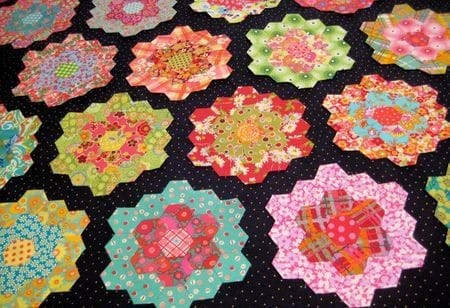
Many quilting enthusiasts appreciate the Hexagon Flower Quilt Block because it blends geometric accuracy with the softness of flower-inspired shapes. By carefully arranging hexagons around a central piece, you can create a stunning floral motif that looks both traditional and modern depending on your fabric choices. Soft pastel fabrics create delicate vintage flowers, while bold prints produce eye-catching contemporary quilts that instantly brighten any room.
In this complete guide, you will learn how to make a beautiful Hexagon Flower Quilt Block step by step using beginner-friendly techniques and practical quilting tips. Every stage of the process has been explained in simple language so you can confidently recreate the project from the photo while improving your sewing accuracy. By the end of this tutorial, you will understand how to prepare your fabrics, sew precise hexagons, assemble the flower correctly, press every seam neatly, and transform your finished block into a gorgeous quilting project.
Prepare Materials and Plan Your Hexagon Flower Quilt Block
Before beginning your Hexagon Flower Quilt Block, gather all of your quilting supplies. You’ll need quality quilting cotton, rotary cutter, cutting mat, quilting ruler, sewing machine, matching thread, iron, fabric clips or pins, and paper templates or acrylic hexagon templates. Having every tool ready makes the sewing process much smoother.
Choose one fabric for the flower center, six matching or coordinating fabrics for the flower petals, and a contrasting background fabric. The contrast between the flower and background helps the floral design stand out beautifully after assembly.
Wash and press your fabrics before cutting. Prewashing removes excess dye and helps reduce future shrinkage, while pressing eliminates wrinkles that could affect cutting accuracy.
Use an accurate hexagon template for every piece. Consistent sizing is essential because even a slight difference between hexagons may create gaps or uneven seams during assembly.
Carefully cut all fabric pieces with a rotary cutter and quilting ruler. Clean, precise cuts help every edge align perfectly during sewing, producing a professional-looking block.
Arrange all the hexagons on a flat surface before sewing anything together. This simple planning step allows you to experiment with different color combinations until you’re completely satisfied with the flower design.
Step-by-Step Instructions for Sewing the Hexagon Flower Quilt Block
Begin by placing the flower center hexagon in the middle of your workspace. Position six petal hexagons around it so each side touches perfectly, creating the classic floral arrangement shown in the finished project.
If you’re using English Paper Piecing, baste each fabric hexagon around its paper template using either thread basting or fabric glue. This technique keeps every edge crisp and helps maintain the hexagon shape throughout assembly.
Sew neighboring hexagons together using small whip stitches or ladder stitches if hand sewing. If machine piecing, sew with an accurate quarter-inch seam allowance while carefully matching every corner.
Continue joining one petal at a time around the center until the complete flower is assembled. Check alignment frequently to ensure each point meets neatly without twisting the block.
After the flower is complete, add the surrounding background hexagons one row at a time. Building outward gradually helps maintain the block’s shape and keeps the seams balanced.
Once the entire Hexagon Flower Quilt Block has been assembled, remove any paper templates if using English Paper Piecing. Press the finished block carefully from the back using a dry iron to preserve the crisp edges.
Tips for Perfect Accuracy, Color Placement, and Professional Results
Accurate seam allowances make the biggest difference in quilting success. Even tiny variations can affect how the hexagons fit together, so always maintain a consistent quarter-inch seam allowance throughout the project.
Press your seams regularly rather than waiting until the entire block is complete. Frequent pressing keeps the fabric flat and prevents bulky intersections that may become difficult to sew later.
Consider using floral prints for the petals and subtle solids for the background. This combination naturally highlights the flower while keeping the overall quilt balanced and visually appealing.
Experiment with seasonal color palettes. Bright yellows, oranges, and reds create cheerful summer flowers, while blues, purples, and soft greens produce elegant spring-inspired quilt blocks.
Take your time when matching every corner. Rushing through the sewing process often creates uneven intersections, while careful stitching produces crisp, symmetrical flowers that showcase your craftsmanship.
After finishing one block, create several more using different fabric combinations. Mixing unique flowers throughout a quilt creates movement, personality, and a truly one-of-a-kind handmade masterpiece.
Finishing Your Quilt Project and Creative Design Ideas
Once your Hexagon Flower Quilt Block is complete, square the block carefully if needed before joining it with additional quilt blocks. Consistent sizing makes final quilt assembly much easier.
Arrange multiple flower blocks across a design wall before sewing rows together. Viewing the overall layout allows you to balance colors and distribute prints evenly across the quilt top.
Add simple sashing between blocks if you’d like each flower to stand out individually. Alternatively, join the hexagon flowers directly together for a continuous garden-inspired quilt design.
After assembling the quilt top, layer it with batting and backing fabric. Baste all three layers securely before quilting to prevent shifting while sewing decorative quilting lines.
Choose quilting motifs that complement the flowers, such as gentle curves, leaves, loops, or echo quilting around each flower. These quilting patterns beautifully emphasize the floral shapes without overpowering the design.
Finish your quilt by attaching a durable binding that coordinates with your chosen fabrics. After the final stitches are complete, wash and lightly press the quilt to reveal its beautiful texture and showcase all your careful work.
Frequently Asked Questions
Is the Hexagon Flower Quilt Block suitable for beginners?
Yes. Beginners can successfully complete this project by working slowly, cutting accurately, and maintaining consistent seam allowances. Starting with one flower block is an excellent way to build confidence.
Should I use English Paper Piecing or machine piecing?
Both methods work beautifully. English Paper Piecing offers exceptional precision and portability, while machine piecing is faster once you’re comfortable sewing hexagons.
What fabrics work best for this project?
High-quality quilting cotton is the most popular choice because it presses well, holds its shape, and is available in thousands of coordinating prints and solid colors.
How many flower blocks do I need for a quilt?
The number depends entirely on your desired quilt size. Baby quilts may require only a few blocks, while queen-sized quilts often include dozens of flower blocks arranged in repeating patterns.
Can I make each flower a different color?
Absolutely. Many quilters create colorful flower gardens by giving every Hexagon Flower Quilt Block its own unique combination of fabrics, making the finished quilt lively and visually interesting.
How can I improve the accuracy of my hexagons?
Use quality templates, cut carefully with a rotary cutter, maintain consistent seam allowances, press regularly, and avoid stretching the fabric while sewing.
What projects can I make besides quilts?
These blocks are wonderful for decorative pillows, table runners, tote bags, wall art, placemats, miniature quilts, and many other home décor projects.
How do I keep the flower centered?
Lay out all pieces before sewing, double-check orientation after every seam, and frequently compare your work with your planned arrangement to ensure the flower remains symmetrical.
Conclusion
The Hexagon Flower Quilt Block is a timeless quilting design that combines precision, creativity, and endless opportunities for personalization. Throughout this tutorial, you learned how to prepare your materials, accurately cut each hexagon, assemble the flower step by step, add the background pieces, press the seams properly, and finish the block with professional-looking results. You also discovered practical tips for choosing fabrics, improving accuracy, arranging multiple blocks, and transforming your finished flowers into stunning quilts and other beautiful handmade projects.
With patience and practice, every new Hexagon Flower Quilt Block becomes easier to complete and even more enjoyable to create. Don’t be afraid to experiment with different color palettes, floral prints, seasonal themes, or modern fabric collections to make every project uniquely yours. If you found this tutorial helpful, please leave your honest opinion in the comments and share your suggestions for future quilting tutorials. Your feedback inspires new ideas and helps create even better quilting guides for everyone who loves patchwork.