The Log Cabin Quilt Pattern is one of the most iconic and beloved designs in the world of quilting. From the very first glance, the Log Cabin Quilt Pattern tells a story of tradition, warmth, and craftsmanship that has been passed down through generations. This pattern is instantly recognizable by its distinctive block construction, where fabric strips are arranged around a central square, creating a visually striking and meaningful design.
What makes the Log Cabin Quilt Pattern truly special is its versatility. While the basic structure remains the same, the final appearance can vary dramatically depending on fabric choices, color placement, and layout. From classic, traditional quilts to modern, bold interpretations, this pattern adapts beautifully to different styles and preferences.
In this article, you will learn everything you need to know about the Log Cabin Quilt Pattern, including its structure, design variations, fabric selection, and layout techniques. Each section explains the key elements in a clear and practical way, helping you understand why this pattern remains a timeless favorite among quilters. Whether you are new to quilting or an experienced maker, this guide will deepen your appreciation for this classic design.
Understanding the Structure of the Log Cabin Quilt Pattern
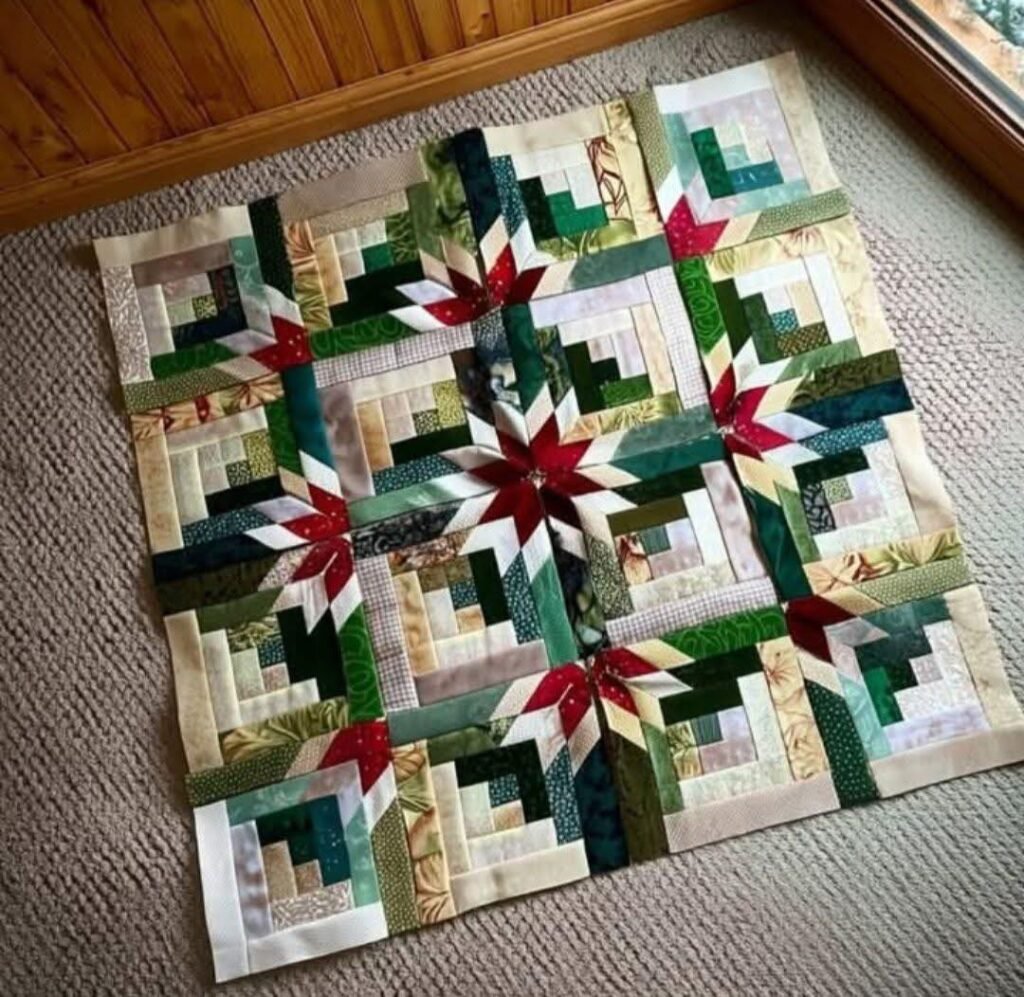
At the heart of the Log Cabin Quilt Pattern is its simple yet powerful block structure. Each block begins with a small central square, often referred to as the “hearth.” This center represents the heart of the home, which is a symbolic element deeply rooted in the pattern’s history.
Around the center square, fabric strips known as “logs” are added one at a time. These strips are sewn in a specific order, usually rotating around the center in a clockwise or counterclockwise direction. This method creates the signature layered look that defines the Log Cabin Quilt Pattern.
One of the key characteristics of this pattern is the contrast between light and dark fabrics. Traditionally, one side of the block uses light fabrics while the opposite side uses darker fabrics. This contrast creates visual movement and allows the blocks to form secondary patterns when arranged together.
Precision is important when constructing the blocks. Consistent seam allowances ensure that each log aligns correctly, resulting in blocks that fit together neatly. Accurate cutting and careful stitching help maintain the clean geometry of the design.
The size of the logs can vary depending on the desired effect. Narrow logs create a more detailed and intricate look, while wider logs result in a bolder and more graphic appearance. This flexibility makes the Log Cabin Quilt Pattern suitable for many design preferences.
Overall, the structure of the Log Cabin Quilt Pattern is straightforward, making it accessible to beginners while still offering depth and complexity for experienced quilters.
Traditional and Modern Design Variations
One of the most exciting aspects of the Log Cabin Quilt Pattern is the wide range of design variations it offers. Traditional versions often follow strict rules regarding color placement, with red centers symbolizing the hearth and clear separation between light and dark fabrics.
In contrast, modern interpretations of the Log Cabin Quilt Pattern often break these traditional rules. Quilters may use unexpected color combinations, gradient effects, or even monochromatic palettes to create a contemporary look. These variations give the pattern a fresh and updated feel.
Courthouse Steps is a popular variation where logs are added in pairs rather than individually. This creates a more symmetrical appearance while still retaining the essence of the Log Cabin Quilt Pattern. It is a great option for quilters who enjoy balanced and structured designs.
Another variation is the Pineapple Log Cabin, which uses angled strips to create a more complex and dynamic block. While this version requires more precision, it produces stunning results and adds visual depth to the quilt.
Improvisational log cabin designs have also gained popularity. In these quilts, logs are added without strict measurements, resulting in organic and unique blocks. This approach emphasizes creativity and personal expression.
These design variations demonstrate how adaptable the Log Cabin Quilt Pattern truly is, allowing quilters to explore both tradition and innovation within a single framework.
Fabric Selection and Color Placement
Choosing the right fabrics is essential for a successful Log Cabin Quilt Pattern. Because the design relies heavily on contrast, thoughtful color placement can dramatically enhance the final quilt. Light and dark fabrics should be clearly distinguishable to create the classic log cabin effect.
Many quilters enjoy using fabric scraps for this pattern. The repetitive structure of the blocks makes it ideal for using leftover strips from previous projects. This not only reduces waste but also adds character and variety to the quilt.
Solid fabrics highlight the geometry of the Log Cabin Quilt Pattern, while prints add texture and visual interest. Mixing solids with subtle prints can create balance and depth without overwhelming the design.
Color temperature also plays a role. Warm colors such as reds, oranges, and yellows can create a cozy feel, while cool colors like blues and greens offer a calm and soothing effect. Combining both can produce striking contrast.
Consistency in value is just as important as color choice. Ensuring that light fabrics remain light and dark fabrics remain dark across all blocks helps maintain clarity in the overall layout.
With careful fabric selection and placement, the Log Cabin Quilt Pattern becomes a powerful visual statement that reflects both skill and creativity.
Layout Options and Quilting Tips
The layout of the blocks is where the Log Cabin Quilt Pattern truly comes to life. Different arrangements can create entirely different visual effects, even when using the same blocks. Straight set layouts are classic and easy to assemble.
Barn Raising is one of the most popular layouts. In this arrangement, blocks are oriented to create diamond shapes that radiate from the center of the quilt. This layout adds movement and drama to the design.
Another common option is the Straight Furrows layout, which creates diagonal lines across the quilt surface. This design emphasizes the linear nature of the logs and works beautifully with high-contrast fabrics.
When assembling the quilt top, careful attention to block orientation is essential. Rotating blocks correctly ensures that the intended pattern emerges clearly. Laying out blocks before sewing helps prevent mistakes.
Quilting stitches should complement the design. Straight-line quilting enhances the geometric structure, while free-motion quilting can soften the look and add texture.
Finishing touches such as binding color and backing fabric also contribute to the final appearance. Choosing complementary elements completes the Log Cabin Quilt Pattern and gives it a polished, professional look.
FAQ – Log Cabin Quilt Pattern
Is the Log Cabin Quilt Pattern beginner-friendly?
Yes, it is an excellent choice for beginners due to its simple block construction and repetitive process.
What size should the center square be?
The center square size varies, but common sizes range from 1.5 to 2.5 inches depending on the block size.
Can I use scraps for a Log Cabin quilt?
Absolutely. This pattern is perfect for scrap quilting and helps use leftover fabric efficiently.
Do I have to follow traditional color rules?
No. Modern quilts often break traditional rules, allowing more creative freedom.
What is the best layout for beginners?
Straight set layouts are the easiest and help beginners understand block orientation.
How long does it take to make a Log Cabin quilt?
The time varies based on size and experience, but the repetitive nature makes it a steady and enjoyable project.
Conclusion
The Log Cabin Quilt Pattern is a timeless design that continues to inspire quilters around the world. In this article, you learned about its structure, design variations, fabric selection, and layout options. This pattern offers endless opportunities for creativity while honoring a rich quilting tradition.