Log Cabin Quilt Pattern is one of the most iconic and beloved quilt designs in the history of patchwork. Known for its distinctive arrangement of fabric strips surrounding a central square, the Log Cabin Quilt Pattern has been cherished by quilters for generations because of its simplicity, versatility, and endless design possibilities. Whether made with traditional reproduction fabrics, colorful scraps, modern solids, or seasonal prints, this classic block creates beautiful geometric layouts that can be adapted to virtually any quilting style. From cozy lap quilts to elegant bed quilts and decorative wall hangings, the Log Cabin design remains a timeless favorite.
One of the reasons the Log Cabin Quilt Pattern continues to inspire quilters worldwide is its remarkable flexibility. Although each block follows the same basic construction method, simply rotating the finished blocks creates dramatically different secondary patterns. Designs such as Barn Raising, Straight Furrows, Sunshine and Shadow, Fields and Furrows, and many other layouts all begin with the same traditional Log Cabin block. This ability to create completely different visual effects makes the pattern enjoyable for beginners while continuing to challenge experienced quilters.
Creating a Log Cabin quilt is also an excellent opportunity to develop essential quilting skills. Accurate cutting, consistent seam allowances, careful pressing, organized piecing, and thoughtful fabric placement all contribute to successful blocks. Since the block is built one strip at a time around a central square, the construction process is logical and easy to follow. This complete guide explains how to choose fabrics, prepare materials, assemble Log Cabin blocks, arrange different layouts, finish the quilt, and personalize the design while maintaining accurate, beautiful results.
Choosing Fabrics, Colors, and Materials
The first step in making a successful Log Cabin Quilt Pattern is selecting fabrics that create clear contrast between the light and dark sides of each block. Good-quality quilting cotton is the preferred fabric because it cuts accurately, presses well, and maintains consistent dimensions throughout the project.
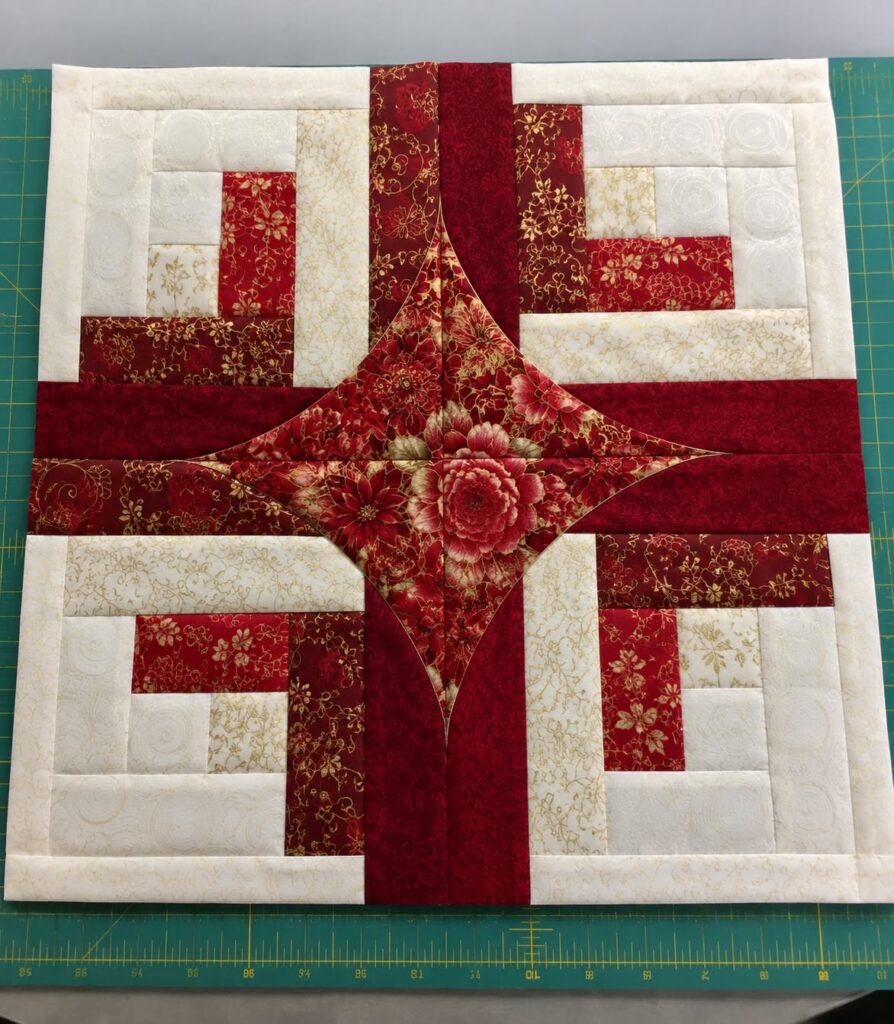
Traditionally, the center square is made with a red fabric, symbolizing the warmth of the home or the fireplace. Although modern quilters frequently experiment with different center colors, many still enjoy preserving this historic tradition. The remaining strips are generally divided into light and dark groups, creating the characteristic appearance of the Log Cabin quilt block.
Color value is especially important. Light fabrics should remain noticeably lighter than the dark fabrics to emphasize the spiral construction. Cream, ivory, pale gray, soft beige, and pastel shades work beautifully on the light side, while navy, burgundy, forest green, chocolate brown, charcoal, and deep jewel tones create strong contrast on the dark side.
Scrap fabrics are ideal for a scrappy Log Cabin Quilt Pattern. Because each strip is relatively small, leftover quilting fabrics can easily be transformed into colorful blocks filled with character. Coordinated fabric collections also produce elegant quilts with a balanced appearance.
Essential quilting tools include a rotary cutter, self-healing cutting mat, acrylic quilting ruler, sewing machine, coordinating thread, pins or clips, iron, ironing board, and a reliable quarter-inch presser foot. Accurate cutting tools contribute greatly to consistent block construction.
Before cutting enough strips for an entire quilt, make one sample block. This allows you to verify strip widths, seam allowances, pressing direction, and overall block size before preparing larger quantities of fabric.
Constructing the Log Cabin Quilt Block
Every Log Cabin Quilt Pattern begins with a center square. Traditionally this square is relatively small and becomes the foundation around which every strip is added. Press the square carefully before beginning to ensure accurate construction.
The first strip is sewn to one side of the center square using a consistent quarter-inch seam allowance. Press the strip outward before adding the next piece. Continue working clockwise or counterclockwise, always adding strips in the same sequence around the center.
Each new strip becomes slightly longer than the previous one because it extends around the growing block. Accurate cutting and careful pressing help maintain straight edges and square corners. As the block expands, the familiar spiral appearance gradually develops.
Maintain consistent strip widths throughout the project. Even small variations can accumulate as additional rounds are added, making the finished block difficult to square. Measuring occasionally during construction helps identify any problems before they become significant.
Press every seam after stitching. Many quilters prefer pressing toward the newly added strip, while others choose the direction that reduces bulk. Whichever method you use, consistency helps create flat, accurate Log Cabin quilt blocks.
After the final strip has been added, measure the completed block carefully. Trim only when necessary using a square quilting ruler. Accurate trimming ensures that every block will fit together neatly during quilt assembly.
Arranging the Blocks and Finishing the Quilt
One of the most exciting parts of making a Log Cabin Quilt Pattern is arranging the completed blocks. Simply rotating individual blocks creates entirely different quilt layouts. Spend time experimenting before permanently sewing the rows together.
The classic Barn Raising arrangement creates the illusion of large diamonds radiating from the center of the quilt. Sunshine and Shadow uses light and dark areas to create dramatic visual movement, while Straight Furrows produces orderly diagonal lines across the quilt surface.
Lay all the completed blocks on a design wall, clean floor, or large table. Step back occasionally to evaluate color balance and overall movement. Rearranging a few blocks often creates a more harmonious composition.
Once satisfied with the layout, sew the blocks into rows using consistent seam allowances. Match intersections carefully and pin where necessary. Accurate row construction helps preserve the clean geometric appearance of the Log Cabin Quilt Pattern.
Join the completed rows to form the quilt top. Press the row seams carefully before preparing the backing and batting. At this stage, inspect the quilt for any small corrections that may improve the finished appearance.
Choose a quilting design that complements the block layout. Straight-line quilting emphasizes the geometric construction, while gentle curves soften the appearance. Grid quilting, echo quilting, or diagonal lines also work beautifully. Finish the project by attaching quilt binding that coordinates with the overall color scheme.
Creative Variations, Helpful Tips, Frequently Asked Questions, and Conclusion
The Log Cabin Quilt Pattern offers endless creative possibilities. Traditional versions often feature reproduction fabrics and historic color palettes, while contemporary interpretations incorporate bold solids, oversized strips, bright colors, or minimalist backgrounds.
A scrappy quilt creates wonderful variety while making excellent use of leftover fabrics. By maintaining consistent strip widths and clear light-dark contrast, even highly varied fabrics produce a harmonious finished quilt.
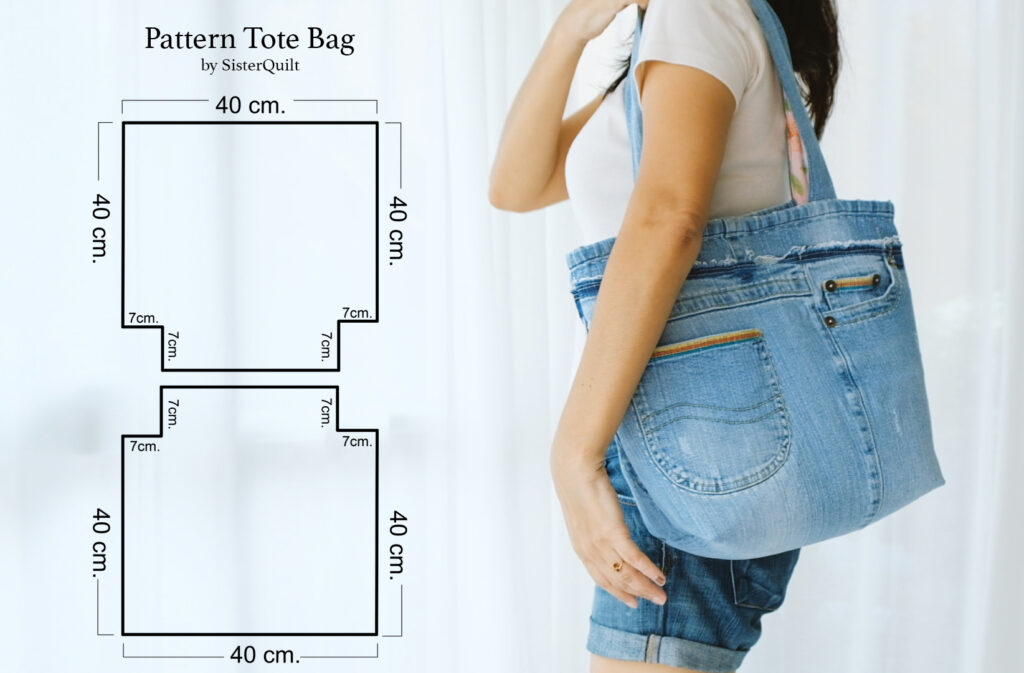
The same Log Cabin quilt block can also be used for smaller projects. Table runners, placemats, tote bags, pillows, wall hangings, and quilted table toppers all showcase the classic spiral construction while requiring fewer blocks than a full quilt.
Accurate habits lead to better results. Cut strips carefully, maintain consistent seam allowances, press after every seam, and measure blocks regularly. Small corrections made early prevent larger problems later during quilt assembly.
Fabric placement dramatically changes the appearance of the quilt. Strong contrast emphasizes the geometric layout, while softer transitions produce a more subtle design. Experimenting with different color arrangements is one of the most enjoyable aspects of the project.
Most importantly, enjoy every stage of the process. The Log Cabin Quilt Pattern is a timeless design that rewards patience, precision, and creativity. Every completed quilt reflects the maker’s personal style through its fabric choices, layout, and quilting design.
Frequently Asked Questions
Is the Log Cabin Quilt Pattern suitable for beginners?
Yes. The block is considered one of the best quilting projects for beginners because it uses straightforward strip piecing while teaching important quilting skills.
Why is the center square traditionally red?
Historically, the red center represented the warmth of the family hearth or fireplace. Although modern quilters often choose different colors, many continue this traditional feature.
What fabrics work best for a Log Cabin quilt?
Quilting cotton is the preferred fabric because it cuts accurately, presses well, and provides excellent durability.
Can I use fabric scraps?
Absolutely. The Log Cabin Quilt Pattern is one of the most popular scrap quilting projects because the strips are relatively small.
Why don’t my blocks stay square?
Uneven strip widths, inconsistent seam allowances, or inaccurate pressing are common causes. Measuring blocks regularly helps maintain accuracy.
Should I press seams open or to one side?
Either method works well. Many quilters press toward the newly added strip, while others choose the direction that reduces bulk.
Can I make larger Log Cabin blocks?
Yes. Simply begin with a larger center square or continue adding additional rounds of strips until the desired size is reached.
What quilting designs work well with Log Cabin quilts?
Straight-line quilting, diagonal lines, grids, echo quilting, and gentle curves all complement the geometric structure beautifully.
Can I use modern fabrics?
Definitely. Solid fabrics, bold prints, low-volume backgrounds, and contemporary color palettes all create stunning modern Log Cabin quilts.
How should I care for the finished quilt?
Follow the care instructions for the fabrics, batting, and thread you selected. Gentle washing and careful drying help preserve handmade quilts for many years.
Conclusion
The Log Cabin Quilt Pattern remains one of the most treasured designs in quilting because of its simplicity, versatility, and timeless beauty. By carefully selecting fabrics, maintaining accurate strip widths, assembling each block methodically, and experimenting with different layouts, you can create a quilt that is both visually striking and deeply satisfying to make.
Throughout this guide, you learned how to choose fabrics, understand color value, prepare strips, construct Log Cabin blocks, arrange multiple layouts, quilt the finished top, and personalize the project with your own favorite colors and patterns. These skills provide an excellent foundation for countless future quilting projects.