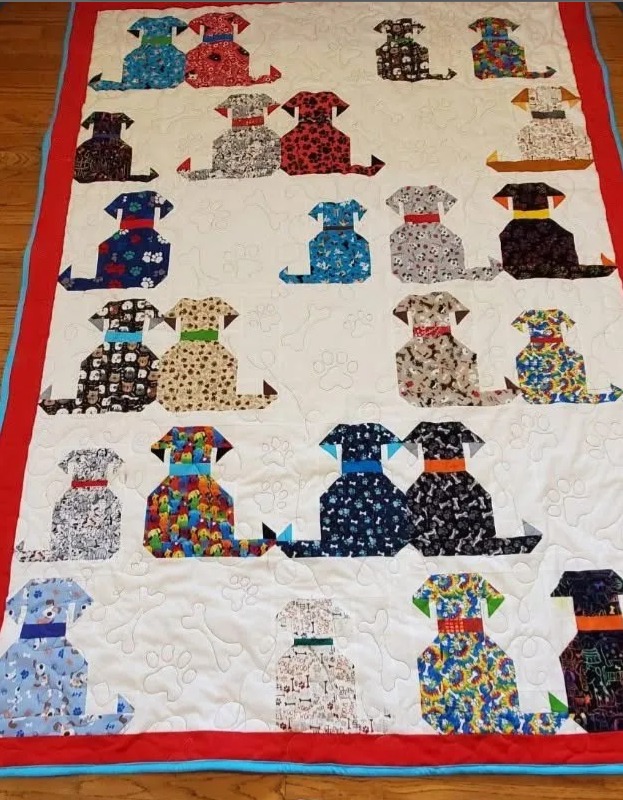
The Milky Way quilt pattern is a timeless design adored by quilters who enjoy combining geometric precision with artistic expression. Right from the first glance, this star-inspired layout captures the imagination, creating a visual flow that resembles constellations drifting across the night sky.
Beyond its celestial beauty, the Milky Way quilt pattern stands out because of its versatility. You can adapt it to different color palettes, fabric textures, and block arrangements without losing its cosmic charm. This flexibility makes it a favorite among quilters who want to personalize their work while still following a clear and structured pattern.
Choosing the Milky Way quilt pattern for your next project also opens the door to mindful, relaxing crafting. The repetitive yet engaging star blocks help you build confidence in quilting techniques such as precise cutting, accurate seam alignment, and consistent pressing. At the same time, the design’s flowing layout produces a beautiful end result that feels rewarding from the very first stitch to the final binding.
Understanding the Structure of the Milky Way Quilt Pattern
The Milky Way quilt pattern is typically composed of interlocking star blocks arranged to create a sense of movement. This structure gives the quilt its cosmic feel, similar to swirling stars forming intricate constellations. Each block contributes to the larger visual effect, and the block size can be adjusted to achieve different quilt dimensions.
Most versions of this pattern rely on simple half-square triangles, which makes it approachable even for beginners. These small components create sharp points and angular shapes, allowing the stars to appear crisp and well-defined. When assembled systematically, they form an impressive, cohesive layout.
Fabric selection plays a crucial role in shaping the atmosphere of your quilt. Many quilters prefer deep blues, blacks, and purples to mimic the night sky, while others choose bright, contrasting colors for a vibrant, modern interpretation. The versatility of the Milky Way quilt pattern ensures that any palette shines beautifully.
Cutting accuracy is essential for maintaining the pattern’s symmetry. Since stars depend on sharp points and balanced shapes, precise cutting ensures the blocks align correctly when sewn. Even small variations can change the look of the final quilt, so taking extra care during this step is worthwhile.
Pressing techniques also influence the final appearance. Pressing seams consistently helps the quilt lie flat and remain well-structured. Many quilters choose to press seams open for smoother results, but this depends on personal preference and fabric thickness.
Once you assemble the blocks, you will notice the overall movement created across the quilt top. This flowing energy is what makes the pattern so popular, offering an elegant mixture of artistry and craftsmanship that appeals to quilters of all levels.
Choosing Fabrics and Colors for a Stunning Milky Way Effect
Selecting fabrics for the Milky Way quilt pattern is one of the most enjoyable stages of the process. The colors you choose will determine whether your quilt resembles a traditional night sky or a vibrant galactic explosion. Blues, whites, and silvers are common choices for a cosmic aesthetic.
For contrast, many quilters incorporate lighter shades to highlight the star shapes. Using fabrics with subtle prints adds depth without overwhelming the design. Tone-on-tone prints, batiks, and solids work exceptionally well with this pattern because they form clean edges.
If you prefer a modern look, bright and unexpected colors can transform the quilt into a bold statement piece. Consider pairing neon accents with dark backgrounds or mixing warm and cool colors for a balanced effect. The Milky Way quilt pattern adapts beautifully to contemporary palettes.
Fabric texture also affects the final appearance. Cotton remains the most popular choice due to its durability and ease of sewing. However, you can also experiment with metallic prints or shimmer fabrics for a star-like sparkle that enhances the cosmic theme.
When choosing fabrics, planning ahead is essential. Creating a digital mock-up or arranging fabric swatches on a flat surface helps you visualize the final layout before cutting begins. This step minimizes mistakes and ensures a harmonious result.
Ultimately, your selected palette should reflect your personal taste and the quilt’s intended purpose. Whether you aim for elegance, drama, or whimsy, the Milky Way quilt pattern gives you full creative freedom.
Techniques for Sewing and Assembling Star Blocks
Sewing star blocks for the Milky Way quilt pattern is a rewarding process that enhances your precision skills. The pattern usually relies heavily on half-square triangles, making it a fantastic practice project for accurate sewing.
Begin by cutting your fabrics according to the pattern instructions. Using a rotary cutter and ruler helps maintain clean, straight edges. Consistent cutting ensures the pieces align properly throughout the assembly process.
Next, focus on piecing the triangles. Sew them with a ¼-inch seam allowance, which is standard in quilting. This small detail is crucial for maintaining uniform block sizes and crisp star shapes. Pressing after each seam keeps the blocks neat and manageable.
Assembling the blocks requires patience and attention to alignment. Matching seam intersections carefully prevents distortion and maintains the star’s symmetry. Pinning at key points helps stabilize the pieces before stitching.
Once the individual blocks are completed, you can arrange them on a design board or flat surface. This allows you to see the entire quilt layout and adjust colors or placements before joining the rows. This preview step ensures visual harmony.
When joining the blocks into rows, maintain consistent seam allowances and press carefully. The quilt begins to take shape quickly, and you will see the swirling Milky Way effect come to life as each row is added to the next.
Finishing Your Milky Way Quilt: Quilting, Binding, and Care
Finishing the Milky Way quilt pattern involves choosing the right quilting style to complement the star-filled layout. Straight-line quilting offers a clean and modern look, while free-motion quilting adds a whimsical, celestial effect.
The thread color you choose can enhance or soften the quilt’s appearance. A matching color blends seamlessly, while a contrasting thread creates an eye-catching design element. Both choices work beautifully depending on your intended final look.
Before quilting, always baste carefully to prevent fabric shifting. Spray basting or pins work well, but ensure the layers remain smooth and secure. Proper basting results in a more polished quilt top once the stitching is complete.
After quilting, trim any excess fabric and prepare your binding. Many quilters prefer binding in a darker shade to frame the cosmic design, but you can choose any coordinating color that suits your palette. Double-fold binding ensures durability.
Sew the binding with precision, folding the corners neatly for a clean, professional finish. Hand-sewn binding provides a classic touch, though machine binding is faster and equally durable. The choice depends on your preferred method.
Caring for your finished quilt is simple. Wash it gently in cold water, preferably on a delicate cycle, and air-dry or tumble dry on low. Proper care ensures your Milky Way quilt pattern project remains beautiful for years to come.
FAQ – Milky Way Quilt Pattern
1. Is the Milky Way quilt pattern suitable for beginners?
Yes, many versions are beginner-friendly because they use simple shapes like half-square triangles while still creating a stunning design.
2. What fabrics work best for this pattern?
Solid cottons, batiks, and tone-on-tone prints are ideal. They help define the star shapes clearly and create a smooth finish.
3. Can I resize the pattern easily?
Absolutely. Adjusting the block size allows you to create anything from a wall hanging to a full-size bed quilt.
4. What quilting style complements this pattern?
Both straight-line and free-motion quilting work well. Choose the one that matches your desired aesthetic.
5. How many colors do I need for the Milky Way design?
Most quilts use two to five colors, but you can incorporate more if you want a more dynamic, galaxy-inspired look.
6. Do I need advanced tools to make this quilt?
No special tools are required—just basic quilting supplies such as a rotary cutter, ruler, sewing machine, and iron.
Conclusion
The Milky Way quilt pattern is a captivating and versatile design that brings the magic of the night sky into your quilting projects. Throughout this article, you learned how the pattern is structured, how to choose fabrics, the techniques needed to assemble the blocks, and how to finish the quilt beautifully. Whether you are new to quilting or expanding your creative skills, this pattern offers an enjoyable and fulfilling experience. If you enjoyed this guide, feel free to share your honest opinion and suggestions—I would love to know what you think and what patterns you’d like to explore next!