When it comes to crafting something meaningful for your furry friend, nothing compares to creating a handmade quilted bed—one that is warm, durable, and infused with love. The Pet Quilt Bed Pattern has become a favorite among both beginner and experienced quilters because it combines functionality with creativity.
The beauty of working with a Pet Quilt Bed Pattern is the freedom it gives you to tailor the design specifically to your pet’s needs. Sizes, fabrics, padding thickness, and decorative elements can easily be adjusted to fit dogs, cats, rabbits, or any small companion animal. Quilting also adds structure, making the bed sturdy and long-lasting—perfect for pets who tend to knead, scratch, or move around a lot before settling down.
Another reason this project has grown in popularity is its versatility. A Pet Quilt Bed Pattern can be made in a pillow style, a box style with raised sides, or a flat quilted mat perfect for crates and travel carriers. Crafters appreciate how the pattern lets them experiment with engaging colors and textures, matching their home décor or creating seasonal themes.
Essential Materials for Making a Pet Quilt Bed
Choosing the right materials is the foundation of a comfortable and durable Pet Quilt Bed Pattern. Start with high-quality cotton or cotton-blend fabrics that are soft yet resistant to scratching. Pet-safe textiles are crucial because animals love to nest and burrow, and using strong fabric ensures the bed will last longer and resist daily wear and tear.
Batting is another important element. Thick polyester batting provides softness without weighing down the bed, while cotton batting offers a breathable option for warmer climates. Some crafters prefer using two layers of batting for extra comfort, especially for senior pets who require additional cushioning.
You should also consider adding a non-slip bottom layer. Pets tend to jump onto their beds quickly, and a quilt bed that slides can be unsafe. Anti-slip fabric, rubberized backing, or grippy dots stitched onto the underside all work well to stabilize the finished bed.
Thread quality matters more than most beginners realize. Opt for durable polyester thread that can withstand stretching and frequent washing. Pets often scratch or knead their bedding, so the stitching must remain strong even after dozens of laundry cycles.
Tools such as quilting pins, a rotary cutter, a cutting mat, and a sewing machine (domestic or heavy-duty) make the process smoother. While hand-sewing is possible, machine stitching ensures stronger seams for active animals.
Finally, consider optional add-ons like handles for easy carrying, washable zippers for removable covers, or decorative appliqués to personalize the bed. These small enhancements add charm and functionality without complicating the pattern.
Step-by-Step Instructions for the Pet Quilt Bed Pattern
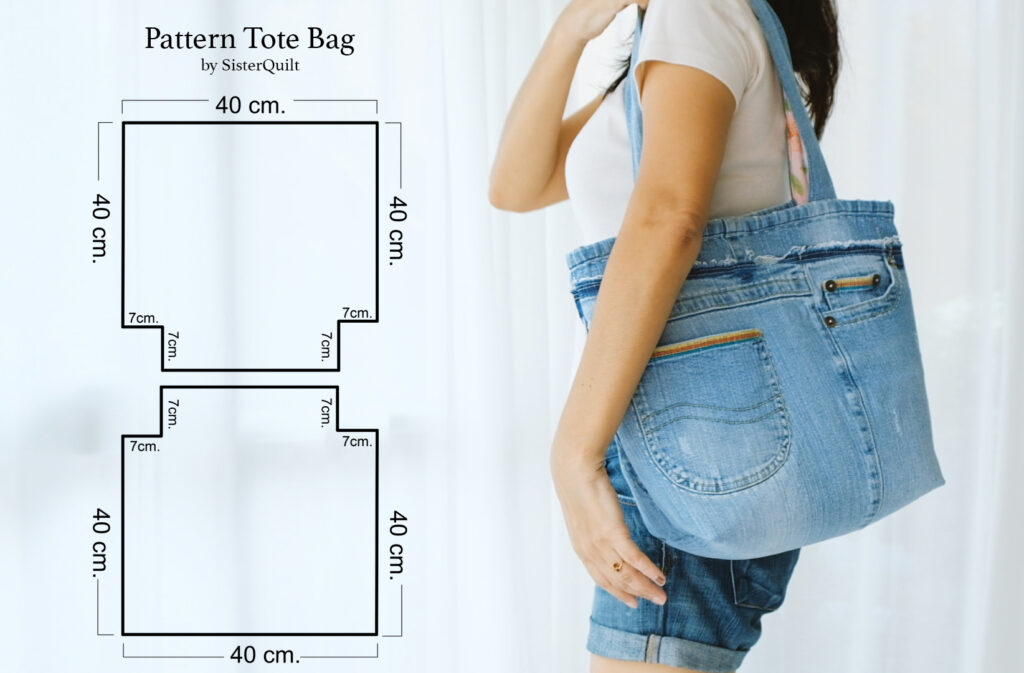
Start by measuring your pet to determine the ideal size. Add at least three inches around the body for comfort, especially if the bed will have raised edges. Once the measurements are set, cut two identical fabric rectangles—one for the top and one for the bottom.
Next, prepare the quilt sandwich: top fabric, batting, and bottom fabric. Smooth each layer to remove wrinkles, then secure the stack with quilting pins. A flat, secure base is essential to ensure the quilted bed looks professional and feels comfortable.
Choose your quilting style. Straight lines, crosshatch, or free-motion quilting are all popular for Pet Quilt Bed Pattern projects. Quilting strengthens the structure and keeps the batting in place, preventing bunching during washing or heavy pet use.
After quilting, sew the edges with a sturdy seam. If you prefer a removable cover, insert a zipper along one side. For a basic pattern, simply leave a small opening to turn the fabric right-side out before closing the seam by hand or machine.
Stuff the bed with additional batting, shredded foam, or pillow inserts for extra loft. Many pet owners like a fluffy bed, while others prefer firm and supportive cushioning. Choose what best suits your pet’s sleeping habits.
Finally, finish by adding decorative stitching, appliqué shapes, embroidered names, or themed fabrics. This personal touch transforms a simple quilt bed into a unique and charming accessory your pet will love.
Design Ideas and Variations for the Pet Quilt Bed Pattern
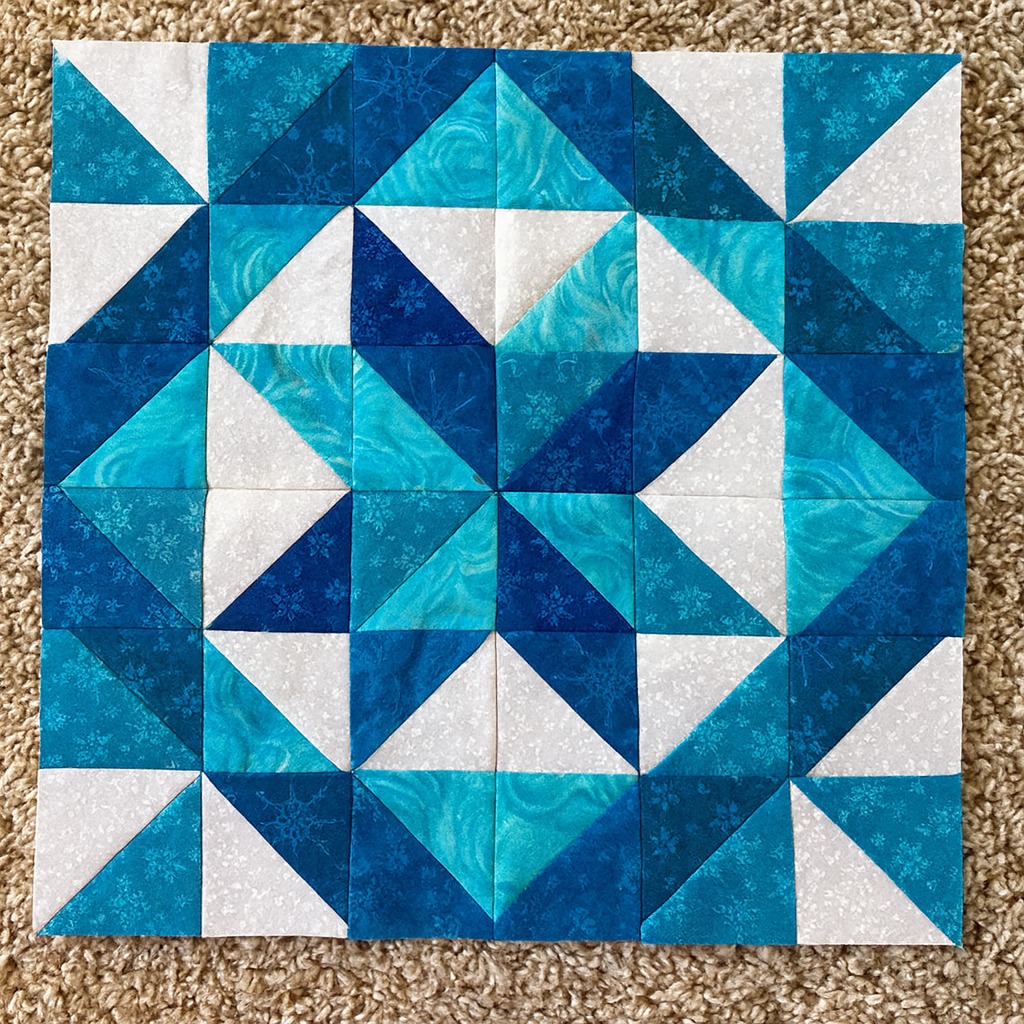
Creative freedom is one of the biggest advantages of making your own Pet Quilt Bed Pattern. One popular variation is the patchwork style, perfect for using leftover quilting scraps. This design gives the bed a colorful handmade charm while promoting eco-friendly crafting.
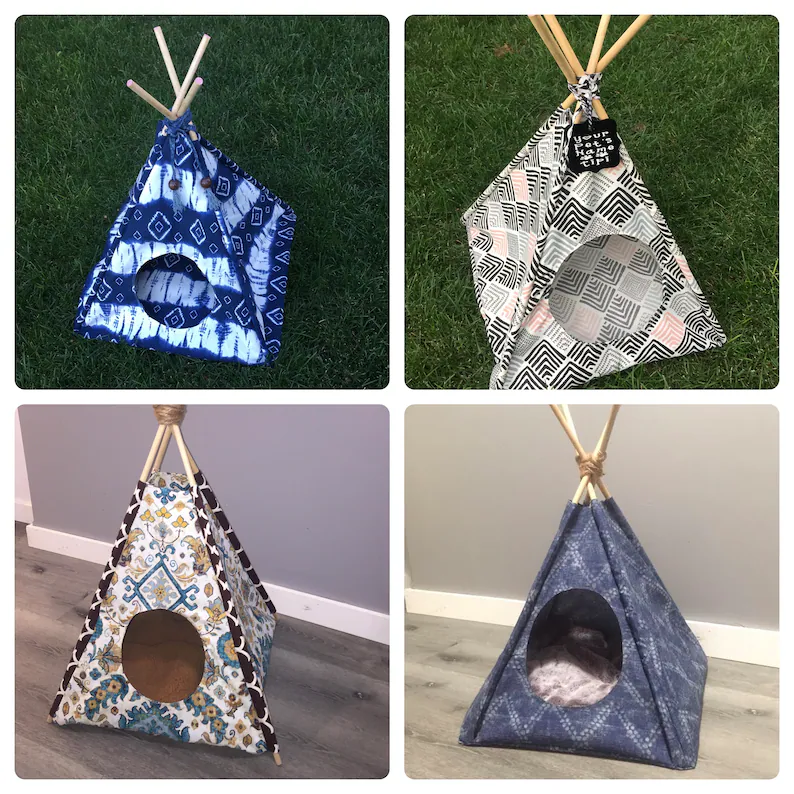
Another fun variation is a raised-side bed. By sewing quilted panels together to form a box shape, you can create a cozy nest ideal for pets who love sleeping with their backs supported. This style also works well for anxious pets who feel safer in enclosed spaces.
Seasonal themes are a favorite among crafters. For example, using holiday fabrics for Christmas or warm-toned fabrics for autumn creates festive pet bedding that doubles as home décor. Pet owners who enjoy decorating their home often make several quilt beds throughout the year.
You can also personalize the bed with custom embroidery. Adding your pet’s name or a fun phrase like “Sleepy Pup” or “Cozy Kitty” enhances the bed’s sentimental value and makes it a cherished item in your home.
Mixing textures is another great idea. Using faux fur for the top layer and quilted cotton for the sides adds both comfort and durability. Pets love soft, plush fabrics, and combining these with quilted structure gives you the best of both worlds.
Lastly, consider making matching accessories. A quilted pillow, mini blanket, or toy storage basket creates a complete set, giving your pet a coordinated and luxurious space they will love.
Tips for Durability, Maintenance, and Pet Safety
Choose machine-washable fabrics and materials whenever possible. Pets shed fur, drool, and sometimes bring dirt onto their beds, so washable components will keep the Pet Quilt Bed Pattern hygienic and long-lasting.
Avoid buttons, beads, or loose embellishments. While cute, they can become choking hazards if your pet chews or pulls on them. Stick to secure stitching and flat decorative techniques like appliqué.
Double-stitch all seams for maximum strength. Pets often knead, scratch, and stretch the bed, especially before lying down. Reinforcing seams prevents tearing and helps the bed survive months or even years of use.
If your pet is older or has joint issues, consider adding orthopedic foam inside the quilt bed. Many owners appreciate how a firm yet cushioned surface relieves pressure on hips and elbows.
Rotate and fluff the bed regularly. Just like human pillows, pet beds can flatten over time. Fluffing, rotating, and shaking out the filling keeps the bed’s structure intact and supports your pet’s comfort.
Finally, inspect the bed frequently for wear and tear. If seams start to open or fabric becomes thin, repair the bed promptly to keep your pet safe and comfortable.
FAQ – Pet Quilt Bed Pattern
1. Is a quilted pet bed safe for all animals?
Yes. As long as you avoid loose decorations and use sturdy stitching, quilted beds are safe for dogs, cats, and other small pets.
2. What fabrics are best for a Pet Quilt Bed Pattern?
Cotton, canvas, denim, and fleece are excellent choices because they are durable, washable, and comfortable.
3. Can beginners make this pattern?
Absolutely. The Pet Quilt Bed Pattern is beginner-friendly and uses simple quilting and sewing techniques.
4. How often should I wash the pet quilt bed?
Most beds should be washed every 1–2 weeks depending on pet activity, shedding, and odors.
5. Can I make a removable cover?
Yes. Adding a zipper makes the bed easier to clean and allows you to replace or rotate covers.
6. What size should I make the bed?
Measure your pet while sleeping and add several inches for comfort. Adjust length and width based on their resting posture.
Conclusion
Creating a handmade Pet Quilt Bed Pattern is a wonderful way to provide comfort, warmth, and care to your beloved companion. Throughout this guide, you learned how to choose the right materials, follow step-by-step instructions, personalize the design, and maintain durability and safety. Whether you are a beginner or an experienced quilter, this project offers endless ways to express creativity while giving your pet a cozy place to rest.