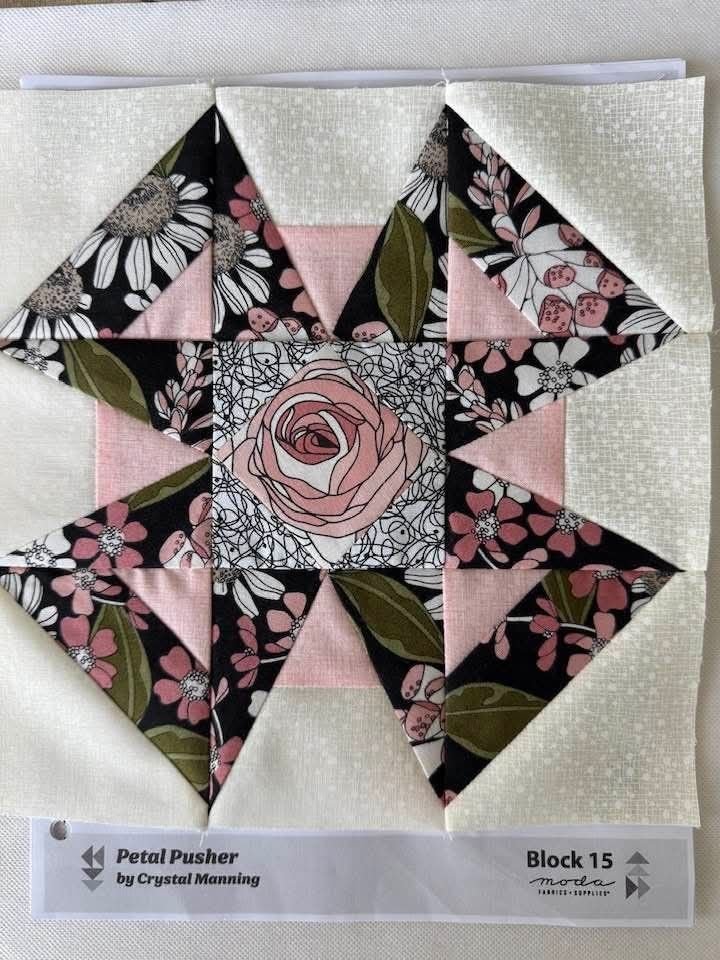
Petal Pusher Block Pattern is a beautiful and eye-catching quilt design that combines elegance, symmetry, and creativity. Known for its floral-inspired layout, this block pattern is perfect for quilters who want to bring a soft, artistic touch to their projects. Whether you are designing a full quilt or just experimenting with new techniques, this pattern offers endless possibilities.
The charm of the Petal Pusher Block Pattern lies in its petal-like shapes that radiate from the center, creating a dynamic and visually appealing effect. It works wonderfully with both bold and subtle color palettes, allowing you to customize the look according to your personal style or seasonal theme. This pattern is ideal for everything from decorative quilts to wall hangings and gifts.
In this detailed guide on the Petal Pusher Block Pattern, you will learn how to choose the right fabrics, understand the structure of the block, assemble it step by step, and explore creative customization ideas. By the end of this article, you will feel confident and inspired to create your own version of this stunning quilt block.
Choosing Fabrics and Colors for the Petal Pusher Block Pattern
Selecting the right fabrics is essential when working with the Petal Pusher Block Pattern. The design relies heavily on contrast to highlight the petal shapes, so choosing complementary colors is key. Light and dark combinations work particularly well, helping each section of the block stand out clearly.
Cotton fabric is the most popular choice for quilting because of its durability and ease of use. It provides clean cuts and crisp seams, which are important for maintaining the precision required in the Petal Pusher Block Pattern.
When planning your color scheme, consider using a gradient or ombré effect. This can create a sense of movement within the petals, making the block appear more dynamic and visually engaging. Alternatively, you can use scraps of different fabrics for a more eclectic and playful look.
Pre-washing your fabrics is highly recommended. This step prevents shrinking and color bleeding, ensuring that your finished block maintains its shape and vibrant appearance over time.
Another helpful tip is to lay out your fabric pieces before sewing. This allows you to visualize how the colors interact and make adjustments if necessary. It’s much easier to rearrange pieces at this stage than after they are sewn together.
Finally, don’t be afraid to experiment. The Petal Pusher Block Pattern is versatile enough to handle a wide range of styles, from traditional floral tones to modern, bold color combinations.
Understanding the Structure of the Petal Pusher Block Pattern
To successfully create the Petal Pusher Block Pattern, it’s important to understand its structure. This block typically consists of multiple units that come together to form a symmetrical floral design.
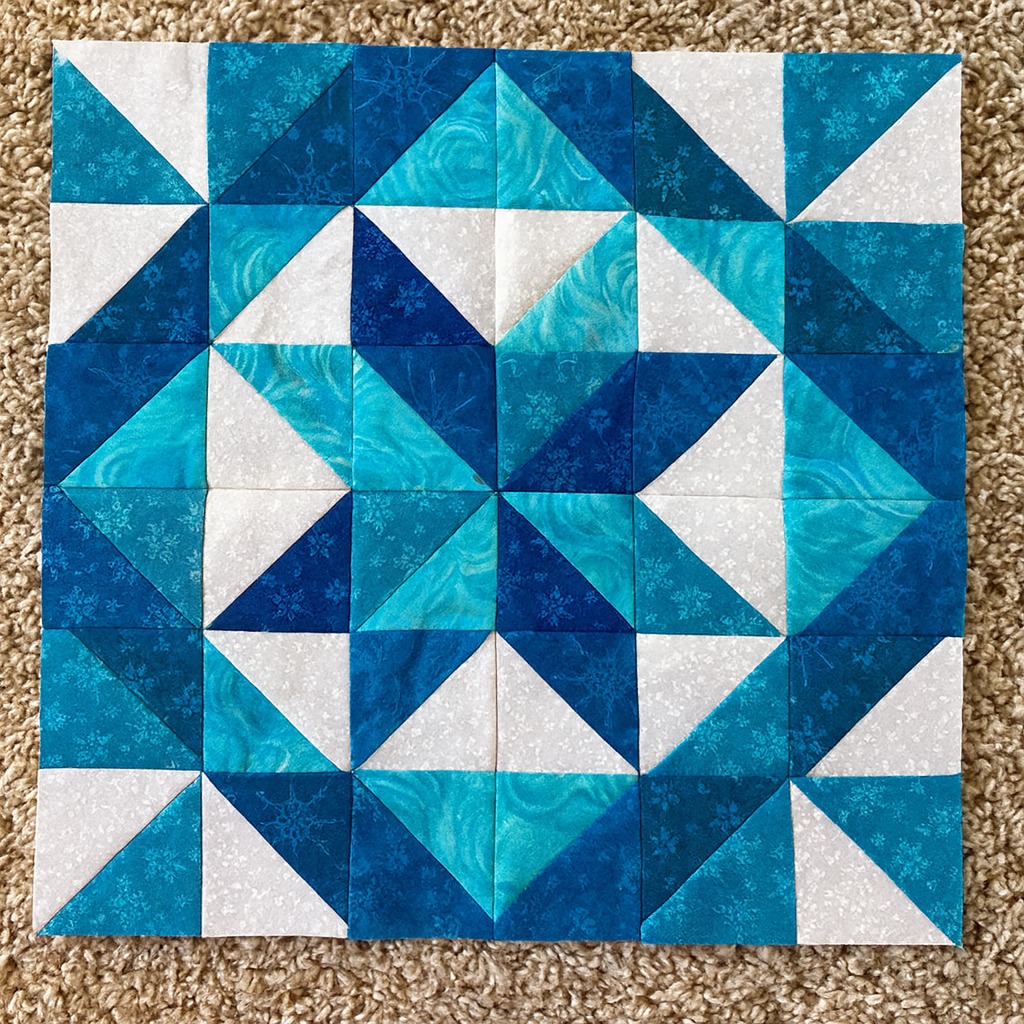
The pattern often includes half-square triangles, squares, and sometimes flying geese units. These shapes are arranged in a way that mimics petals radiating outward from the center of the block.
Precision is crucial when working with this pattern. Accurate cutting and consistent seam allowances ensure that all pieces fit together perfectly. Even small discrepancies can affect the overall alignment of the block.
The center of the Petal Pusher Block Pattern is usually the focal point. Choosing a standout fabric for this area can enhance the visual impact and draw attention to the design.
Before sewing, it’s a good idea to assemble the block layout on a flat surface. This helps you understand how each piece fits together and ensures that the pattern is correctly oriented.
By understanding the structure, you can also modify the block to suit your needs. For example, you can scale it up or down, or combine multiple blocks to create a larger quilt design.
Step-by-Step Assembly of the Petal Pusher Block Pattern
Creating the Petal Pusher Block Pattern begins with carefully cutting your fabric pieces according to the pattern measurements. Precision at this stage is essential for achieving a clean and professional result.
Start by constructing the smaller units, such as half-square triangles. These units form the foundation of the petal shapes and should be sewn with consistent seam allowances.
Once the smaller units are ready, begin assembling them into larger sections. Work step by step, following the pattern layout to ensure that each piece is placed correctly.
Press your seams as you go. Proper pressing helps keep the block flat and makes it easier to join sections together accurately. Always press rather than iron to avoid stretching the fabric.
After assembling all sections, join them to complete the full block. Take your time aligning seams to maintain the symmetry of the Petal Pusher Block Pattern.
Finally, trim the block to the correct size if necessary. This ensures that it fits perfectly with other blocks if you are creating a full quilt.
Creative Ideas to Customize the Petal Pusher Block Pattern
One of the most exciting aspects of the Petal Pusher Block Pattern is the opportunity for customization. You can experiment with different color combinations to create a unique look that reflects your personal style.
Using patterned fabrics for the petals can add depth and interest to your block. Floral prints, geometric designs, or even novelty fabrics can bring a new dimension to your project.
You might also consider adding embroidery or appliqué details to enhance the design. Small stitched accents can highlight the petal shapes and add a handcrafted touch.
Another idea is to play with scale. By enlarging or reducing the size of the block, you can create different visual effects and adapt the pattern for various projects.
Combining the Petal Pusher Block Pattern with other block designs can result in a more complex and visually rich quilt. Mixing patterns allows you to explore new creative possibilities.
Lastly, think about the final use of your project. Whether it’s a quilt, cushion cover, or wall hanging, tailoring your design to its purpose will make your creation even more meaningful.
FAQ About the Petal Pusher Block Pattern
1. Is the Petal Pusher Block Pattern suitable for beginners?
Yes, beginners can try it, especially if they are familiar with basic quilting techniques like sewing straight seams and making half-square triangles.
2. What size is a typical block?
The size can vary depending on the pattern, but common sizes range from 8 to 12 inches.
3. Do I need special tools?
Basic quilting tools such as a rotary cutter, ruler, and sewing machine are sufficient.
4. Can I use scrap fabric?
Absolutely! The Petal Pusher Block Pattern is great for using up fabric scraps creatively.
5. How do I ensure accurate seams?
Maintaining a consistent seam allowance and careful pressing are key to accuracy.
6. Can I make a full quilt using this block?
Yes, repeating the block and arranging it in a grid can create a stunning full quilt.
Conclusion
In this complete guide to the Petal Pusher Block Pattern, you learned how to choose fabrics, understand the structure, assemble the block step by step, and customize it creatively. This pattern is a fantastic way to explore quilting techniques while creating something visually stunning and meaningful.
With practice and attention to detail, you can transform simple fabric pieces into a beautiful quilt block that showcases your creativity and skill. Each block you make will bring you closer to mastering the art of quilting.