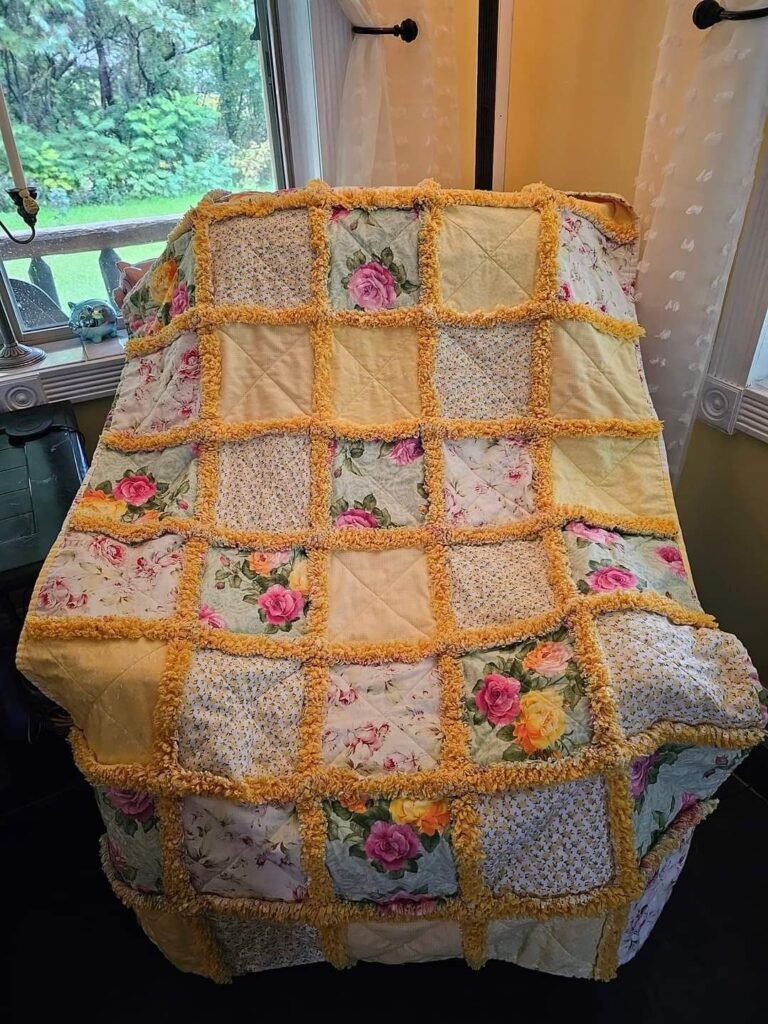
The Rag Quilt Pattern is one of the most beloved quilting projects for beginners and experienced makers alike. Known for its soft texture, charming frayed seams, and relaxed construction style, this quilt offers a cozy handmade look that feels both rustic and inviting. Unlike traditional quilts that hide seams inside, the rag quilt proudly displays them on the front, creating its signature fluffy finish.
In this complete guide to the Rag Quilt Pattern, you will learn how to choose the right fabrics, understand the step-by-step construction process, and apply practical tips to achieve beautiful results. One of the biggest advantages of this project is that it is forgiving and beginner-friendly, making it perfect for anyone who wants to complete a quilt without complicated piecing.
Throughout this tutorial, we will explore the essential techniques behind the rag quilt tutorial, share expert advice for durability and softness, and discuss creative variations to personalize your quilt. By the end, you will feel confident starting your own rag quilt and creating a cozy piece that will be treasured for years.
Materials and Fabric Choices for Rag Quilt Pattern
Selecting the proper materials is the first step toward a successful Rag Quilt Pattern. The fabrics you choose will directly affect the softness, fraying effect, and overall appearance of your finished quilt.
Flannel is the most popular choice for any rag quilt tutorial because it frays beautifully and becomes softer with each wash. Cotton quilting fabric is also commonly used, especially when paired with flannel for the backing. Many quilters enjoy mixing textures to create extra visual interest.
You will also need batting squares for each block. Low-loft cotton batting works best for the Rag Quilt Pattern because it provides warmth without making the quilt too bulky. Some quilters prefer to skip batting entirely when using thick flannel layers.
Essential tools include a rotary cutter, acrylic ruler, and self-healing cutting mat. Accurate cutting is important even in a relaxed rag quilt tutorial, as consistent squares help the quilt assemble smoothly.
Sharp fabric scissors are especially important for this project. After sewing, you will clip the seam allowances to create the fluffy rag effect that defines the Rag Quilt Pattern.
Finally, choose high-quality thread that matches or contrasts with your fabric. Strong stitching is essential because the exposed seams in a rag quilt experience more wear over time.
Step-by-Step Rag Quilt Tutorial
This Rag Quilt Pattern is well known for its straightforward construction. Even beginners can achieve beautiful results by following each step carefully.
Start by cutting your fabric into equal squares. For most rag quilt tutorial projects, you will cut one square for the front, one for the back, and one batting square for each block. Precision here ensures your quilt lays flat.
Next, layer each block with the wrong sides together and batting in the center. This is the opposite of traditional quilting and is what creates the exposed seams in the Rag Quilt Pattern.
Sew an “X” from corner to corner across each layered square. This step secures the batting and keeps the layers stable during assembly. Maintain consistent stitching for a polished look.
Once all blocks are prepared, begin sewing them together with seam allowances facing up. Typically, a ½-inch seam allowance is used in a rag quilt tutorial to allow enough fabric for fraying.
Continue joining rows and then sewing the rows together until your quilt top is complete. Take your time aligning corners to keep the layout neat.
The final and most satisfying step is clipping the seams. Carefully snip the seam allowances at regular intervals without cutting into the stitching. After washing and drying, the seams will fluff up to create the classic Rag Quilt Pattern texture.
Tips for a Soft and Durable Rag Quilt
Although the Rag Quilt Pattern is beginner-friendly, a few expert tips can significantly improve your results and the longevity of your quilt.
Use high-quality flannel whenever possible. Cheaper fabrics may not fray as nicely and can produce excessive lint during the first washes of your rag quilt tutorial.
Clip seams consistently and close together. The more evenly you clip, the fuller and softer your Rag Quilt Pattern will appear after washing.
Wash and dry the quilt after completion. This step is essential because it activates the fraying process and gives the quilt its signature cozy texture.
Consider using a walking foot while sewing. This helps feed the thick layers evenly, which is especially helpful in larger rag quilt tutorial projects.
Reinforce the outer edges with an extra line of stitching. Because rag quilts have exposed seams, strong edges help prevent premature wear.
Finally, expect lint during the first wash cycles. Cleaning your dryer filter frequently will keep your Rag Quilt Pattern looking its best and prevent mess.
Creative Variations of the Rag Quilt Pattern
One of the reasons the Rag Quilt Pattern remains so popular is its incredible versatility. With simple adjustments, you can create many unique styles.
Try a color-coordinated layout for a polished look. Soft pastels work beautifully for baby quilts, while bold plaids create a rustic feel in any rag quilt tutorial.
You can also experiment with different block sizes. Larger squares create a quicker project, while smaller squares add more visual texture to the Rag Quilt Pattern.
Consider mixing fabrics such as flannel, denim, or minky. Combining textures adds depth and makes your quilt feel extra luxurious.
Another creative option is arranging blocks in a checkerboard or diagonal pattern. Layout changes alone can dramatically transform your rag quilt tutorial.
For themed projects, choose novelty prints for holidays, nurseries, or seasonal décor. This makes the Rag Quilt Pattern perfect for personalized gifts.
Finally, try adding embroidered labels or appliqués to make your quilt truly one of a kind.
FAQ About Rag Quilt Pattern
Is the Rag Quilt Pattern good for beginners?
Yes, the Rag Quilt Pattern is considered one of the easiest quilting projects and is perfect for beginners because it requires simple sewing and minimal precision piecing.
What fabric works best for a rag quilt tutorial?
Flannel is the most popular choice because it frays beautifully and becomes softer over time, but quilting cotton and minky can also be used.
How often should I clip the seams?
Most quilters clip every ¼ to ½ inch along the seam allowances to achieve the best frayed effect in the Rag Quilt Pattern.
Do I need batting in a rag quilt?
Batting is optional. Many rag quilt tutorial projects include it for warmth, but thick flannel layers alone can be sufficient.
Why is my rag quilt not fraying enough?
This usually happens if the seams were not clipped closely enough or if the fabric type does not fray easily.
How long does it take to make a rag quilt?
Depending on size and experience, most people complete a basic Rag Quilt Pattern in one weekend.
Conclusion
The Rag Quilt Pattern is a cozy, beginner-friendly project that delivers beautiful results with relatively simple techniques. In this guide, you learned how to select the best fabrics, follow the step-by-step rag quilt tutorial, apply professional tips, and explore creative variations to make your quilt unique.
With its soft texture, charming frayed seams, and forgiving construction, the rag quilt remains a favorite among quilters of all skill levels. Take your time, enjoy the process, and don’t hesitate to experiment with colors and textures to make the project your own.