Quilting has always been a craft rooted in creativity, tradition, and resourcefulness. Among the many quilting styles that exist today, the Scrap Quilt Pattern stands out as one of the most expressive and meaningful approaches. Instead of relying on perfectly matched fabric collections, scrap quilts celebrate diversity by combining leftover pieces from different projects into one cohesive design.
What makes scrap quilting truly special is its emotional value. Every small piece of fabric often carries a story—perhaps from a past quilt, a handmade gift, or a memorable project. When these scraps are stitched together, they create more than just a quilt; they form a visual diary of a quilter’s journey, creativity, and experiences.
In this article, you will explore the world of Scrap Quilt Patterns in depth. You will learn what defines a scrap quilt, how to plan and design one successfully, how to choose colors and fabrics wisely, and how to use scrap quilt blocks in creative ways. Whether you are a beginner or an experienced quilter, this guide will help you turn fabric leftovers into something truly beautiful.
What Is a Scrap Quilt Pattern and Why Quilters Love It
A Scrap Quilt Pattern is a quilting design that uses a variety of leftover fabrics rather than a single coordinated fabric line. These scraps can come from previous quilts, sewing projects, fabric bundles, or even old clothing with sentimental value.
Historically, scrap quilts emerged out of necessity. Fabric was once expensive and difficult to obtain, so quilters saved every usable piece. Nothing went to waste. This practical approach led to quilts that were colorful, bold, and deeply personal.
One of the reasons quilters love scrap quilts is their freedom. There are no strict rules about matching fabrics or repeating colors. This makes scrap quilting a relaxing and forgiving process, especially for those who feel intimidated by precision-based designs.
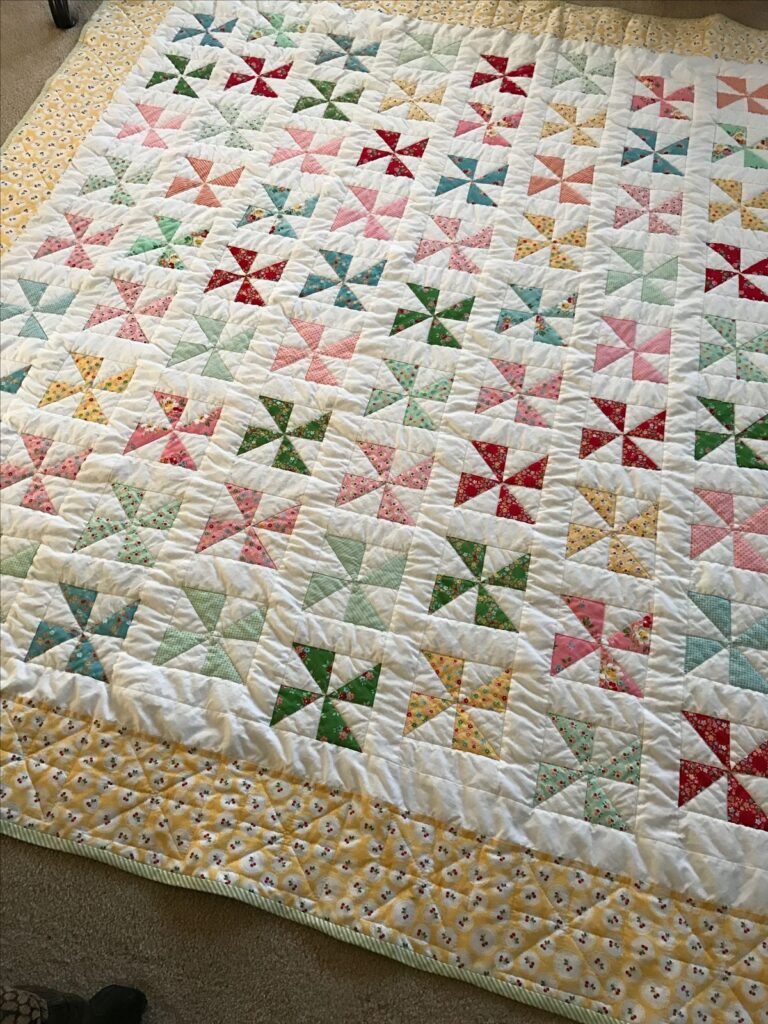
Scrap Quilt Patterns also allow for endless creativity. Traditional blocks like log cabin, nine-patch, stars, and string quilts can all be adapted into scrap versions. Even modern minimalist designs can incorporate scraps while maintaining a clean aesthetic.
Another appealing aspect is sustainability. Scrap quilting reduces fabric waste and encourages mindful crafting. In a world where sustainability matters more than ever, scrap quilts offer a beautiful way to reuse materials responsibly.
Ultimately, scrap quilts are loved because they are unique. No two scrap quilts are ever identical, making each one a true original.
How to Plan and Design a Successful Scrap Quilt
Although scrap quilts embrace variety, thoughtful planning is still essential to achieving a visually pleasing result. A well-designed Scrap Quilt Pattern balances randomness with intention.
The first step is organizing your scraps. Many quilters sort scraps by color, size, or fabric type. This makes it easier to see what you have and identify gaps in your collection. Even small pieces can be useful if the pattern allows for them.
Choosing the right block pattern is crucial. Simple block designs work best for scrap quilts because they allow the fabrics to shine. Blocks with too many small pieces can become visually overwhelming when made with scraps.
Color balance is another important factor. While scrap quilts often include many colors, grouping similar tones together can create harmony. Some quilters choose a dominant color family and use scraps as accents, while others aim for a full rainbow effect.
Using a consistent background fabric can help unify the quilt. A neutral background such as white, cream, gray, or beige allows the scraps to stand out while maintaining structure and cohesion.
Before sewing everything together, laying out blocks on a design wall or flat surface helps identify areas that need adjustment. This step allows you to move blocks around until the quilt feels balanced and visually pleasing.
With careful planning, a Scrap Quilt Pattern becomes an enjoyable blend of creativity and control.
Choosing Fabrics and Colors for Scrap Quilt Patterns
Fabric selection plays a significant role in the overall appearance and durability of a scrap quilt. While the beauty of scrap quilting lies in variety, certain guidelines can help ensure success.
Quilting cotton is the most commonly used fabric due to its stability and ease of handling. Mixing fabrics of similar weight is recommended to prevent distortion and uneven seams.
Color contrast is especially important in Scrap Quilt Patterns. High-contrast combinations create bold, energetic quilts, while low-contrast palettes result in softer, more subtle designs. Both styles are equally valid, depending on personal preference.
Print scale adds depth and interest. Combining small prints, medium patterns, and larger motifs prevents the quilt from looking flat. Balancing busy prints with calmer fabrics helps maintain visual clarity.
Neutral fabrics are incredibly useful in scrap quilts. They provide breathing space for the eye and help unify a wide range of colors and patterns. Low-volume prints can also act as neutrals while adding texture.
Scrap quilts are also an excellent way to use sentimental fabrics. Pieces from old clothing, baby garments, or previous quilts add emotional value and storytelling to the finished piece.
Thoughtful fabric and color choices elevate a scrap quilt from random to intentionally beautiful.
Creative Projects You Can Make with Scrap Quilt Patterns
The versatility of Scrap Quilt Patterns makes them suitable for a wide variety of projects, from large quilts to small decorative items.
Full-size bed quilts and lap quilts are among the most popular uses. Scrap quilts are perfect for everyday use because they are durable, colorful, and full of character.
Wall hangings are another creative option. A small scrap quilt can become a piece of textile art, adding warmth and personality to any room.
Table runners, placemats, and mug rugs are excellent scrap-friendly projects. These smaller items allow quilters to experiment with layouts and color combinations without committing to a large quilt.
Pillows and cushion covers made from scrap blocks add charm to home décor. They are also a great way to use leftover blocks from previous projects.
Scrap quilts are frequently used for charity and donation projects. Because scraps are readily available, quilters can create meaningful gifts while keeping costs low.
No matter the project, Scrap Quilt Patterns bring warmth, creativity, and individuality into every space.
Frequently Asked Questions About Scrap Quilt Patterns
Are Scrap Quilt Patterns suitable for beginners?
Yes, scrap quilts are very beginner-friendly because they allow flexibility and reduce pressure to be perfect.
Do scrap quilts need to follow a color scheme?
Not necessarily, but having a loose color plan can help create balance and cohesion.
What are the best quilt blocks for scrap quilts?
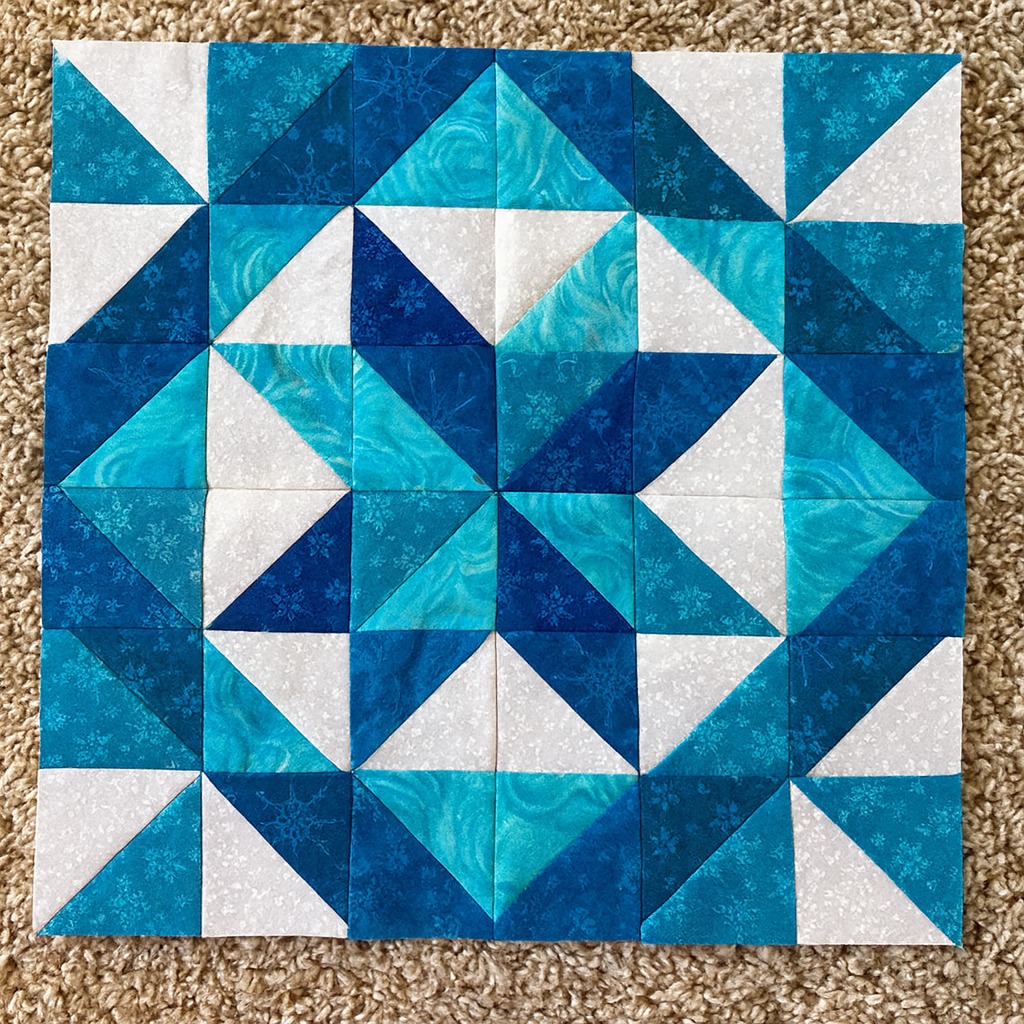
Simple blocks like nine-patch, log cabin, string blocks, and half-square triangles work very well.
Can modern quilts be made using scraps?
Absolutely. Many modern quilts use scraps combined with negative space for a clean, contemporary look.
Are scrap quilts considered traditional?
Scrap quilts can be both traditional and modern, depending on fabric choice and layout.
Conclusion: The Lasting Appeal of Scrap Quilt Patterns
The Scrap Quilt Pattern is a timeless expression of creativity, sustainability, and personal storytelling. By transforming leftover fabrics into something meaningful, scrap quilting honors both tradition and innovation.
Every scrap quilt is a reflection of the maker’s journey. Each fabric piece adds character, memory, and warmth, making the finished quilt truly one of a kind.