The Spiral Bargello quilt pattern is a mesmerizing design that instantly captures attention with its flowing movement and hypnotic curves. If you’ve ever admired quilts that seem to ripple or swirl across the surface, chances are you were looking at a Spiral Bargello quilt pattern. This technique transforms simple fabric strips into a stunning spiral illusion that looks complex but is surprisingly achievable with the right guidance.
What makes the Spiral Bargello quilt pattern so appealing is the perfect balance between precision and creativity. Quilters love how this pattern allows them to play with color gradients while still following a structured process. Whether you prefer bold rainbow transitions or soft monochromatic waves, the Spiral Bargello style adapts beautifully to your personal aesthetic.
In this complete guide, you will learn how to plan, cut, sew, and finish your own Spiral Bargello quilt pattern with confidence. We will walk through the essential materials, step-by-step construction, layout tips, and expert finishing advice. By the end, you’ll feel fully prepared to create a quilt that looks intricate, professional, and absolutely stunning.
Understanding the Spiral Bargello Quilt Pattern
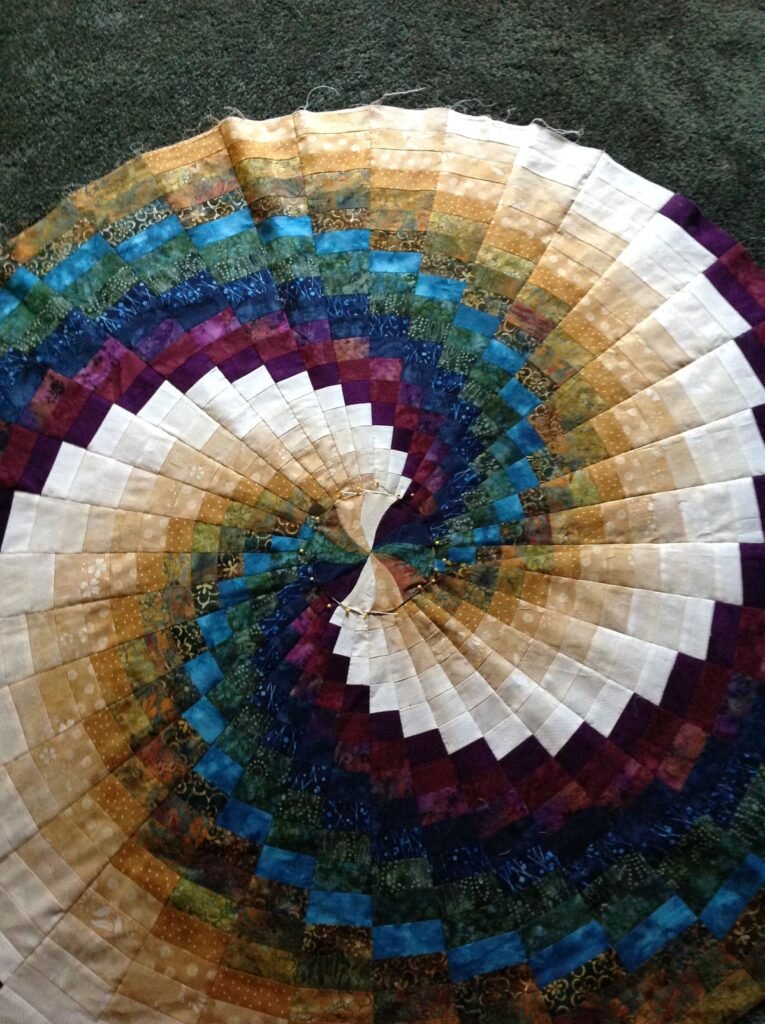
The Spiral Bargello quilt pattern is based on a strip-piecing technique that creates the illusion of movement across the quilt top. Unlike traditional block-based quilts, Bargello designs rely on carefully arranged fabric strips that shift gradually to form curves and waves.
At its core, the Spiral Bargello method begins with sewing long fabric strips together in a specific color order. These strip sets are then cut into segments and rearranged to produce the signature flowing effect. The magic happens when subtle height differences between segments create the spiral motion.
One reason the Spiral Bargello quilt pattern is so popular is that it looks extremely complex while using mostly straight seams. This makes it accessible to confident beginners and very enjoyable for intermediate quilters who want a visually impressive project.
Color placement is especially important in this pattern. Smooth gradients or well-planned contrasts help emphasize the spiral movement. Many quilters spend extra time selecting fabrics because color choices dramatically affect the final look.
Another defining feature of the Spiral Bargello style is its continuous visual flow. Unlike block quilts where each unit stands alone, Bargello designs create a unified surface that draws the eye across the entire quilt.
Because of this fluid appearance, the Spiral Bargello quilt pattern is often used for statement quilts, wall hangings, and artistic home décor pieces.
Materials Needed for a Spiral Bargello Quilt
Before starting your Spiral Bargello quilt pattern, gathering the correct materials will make the process smoother and more enjoyable. Preparation is especially important with Bargello quilts because accuracy directly affects the spiral effect.
First, select high-quality quilting cotton in a coordinated color gradient. Most Spiral Bargello quilts use between 15 and 25 fabrics arranged from light to dark or through a rainbow spectrum. Consistent fabric weight helps maintain even seams.
You will need a rotary cutter, self-healing cutting mat, and a clear acrylic ruler. Precise cutting is critical in the Spiral Bargello quilt pattern, since small variations can disrupt the smooth flow of the spiral.
A reliable sewing machine with a quarter-inch seam allowance is essential. Straight, consistent seams ensure that your strip sets align properly during assembly.
Choose a neutral cotton thread that blends with most of your fabrics. This keeps the focus on the color movement rather than the stitching.
Batting and backing fabric will be required once your quilt top is finished. Cotton or cotton-blend batting is commonly preferred for Bargello quilts because it provides structure without excessive bulk.
Finally, keep an iron or pressing station nearby. Careful pressing at every stage is one of the secrets to achieving a crisp, professional-looking Spiral Bargello quilt pattern.
Step-by-Step Construction Process
Creating a Spiral Bargello quilt pattern becomes much more manageable when broken into clear steps. Taking your time and staying organized will help you achieve that beautiful spiral effect.
Begin by cutting your fabrics into long, equal-width strips. Arrange them in your chosen color order before sewing. This planning stage is crucial because it determines the final gradient flow.
Next, sew the strips together lengthwise to create one large strip set. Maintain a consistent quarter-inch seam allowance and press all seams in the same direction to reduce bulk.
Once your strip set is complete, cut it into loops or segments according to your pattern plan. Many Spiral Bargello designs require offset seam placement to create the spiral illusion.
After cutting the segments, carefully arrange them on a design wall or flat surface. This is where the spiral begins to appear. Take your time adjusting the layout until the flow looks smooth and balanced.
Sew the segments together row by row, keeping seams aligned. Pinning generously helps prevent shifting and keeps the curves clean.
Finally, join all rows to complete the quilt top. At this stage, your Spiral Bargello quilt pattern should clearly display its beautiful swirling motion.
Design Variations and Finishing Tips
One of the most exciting aspects of the Spiral Bargello quilt pattern is how easily it can be customized. Small design changes can dramatically alter the final appearance of your quilt.
For a bold modern look, choose high-contrast fabrics or rainbow gradients. These emphasize the spiral movement and create strong visual impact across the quilt surface.
If you prefer something softer, try using fabrics within the same color family. Monochromatic Spiral Bargello quilts have a calm, elegant appearance that works beautifully in bedrooms or living spaces.
Border choices also matter. Some quilters prefer no border to maintain the continuous flow, while others add a narrow frame to contain the movement visually.
When it comes to quilting, simple straight-line stitching works well and keeps the focus on the Bargello design. However, gentle free-motion curves can enhance the sense of movement if done carefully.
Binding is the final step that gives your quilt a polished finish. Choose a binding color that complements your outer fabrics without overpowering the design.
With thoughtful planning and careful execution, your Spiral Bargello quilt pattern can become a true showpiece in your quilting collection.
FAQ About Spiral Bargello Quilt Pattern
Is the Spiral Bargello quilt pattern suitable for beginners?
It is best for confident beginners or intermediate quilters. While it uses straight seams, accuracy and organization are very important for success.
How many fabrics do I need for a Spiral Bargello quilt?
Most designs use between 15 and 25 fabrics to create a smooth gradient, but you can adjust depending on the look you want.
What is the biggest mistake to avoid?
Inconsistent cutting and seam allowances are the most common issues. Precision is key to maintaining the spiral effect.
Can I make a small project with this pattern?
Yes. The Spiral Bargello quilt pattern works well for wall hangings, table runners, and baby quilts.
Do I need special quilting skills?
No advanced skills are required, but patience and careful measuring will greatly improve your results.
What colors work best for Spiral Bargello quilts?
Gradients, ombré palettes, and rainbow sequences tend to produce the most dramatic and beautiful spiral effects.
Conclusion
The Spiral Bargello quilt pattern is a breathtaking technique that transforms simple fabric strips into a flowing, dynamic masterpiece. Throughout this guide, you learned how the pattern works, which materials to use, and how to construct and finish your quilt with confidence. Although the final result looks complex, the process becomes very approachable when broken into clear steps.
By focusing on accurate cutting, consistent seams, and thoughtful color planning, you can create a Spiral Bargello quilt pattern that looks truly professional. This design offers endless opportunities for creativity, whether you prefer bold modern palettes or soft, elegant gradients.