Trip Around the World Quilt Pattern is one of the most iconic quilt designs ever created. This classic quilting pattern has captivated generations of quilters thanks to its mesmerizing layout, beautiful color transitions, and timeless appeal. Whether you are a beginner looking for your first large quilting project or an experienced quilter searching for a traditional design with endless customization options, this pattern offers something special. The visual effect created by carefully arranged fabric squares makes the finished quilt look far more complex than it actually is, which is one of the reasons it remains a favorite among quilting enthusiasts.
The beauty of the Trip Around the World Quilt Pattern comes from its clever use of color placement. Instead of relying on complicated blocks or intricate piecing methods, the design uses simple squares arranged in a specific order. As colors gradually shift from light to dark or from one shade to another, the quilt creates the illusion of movement across the entire surface. This effect can be dramatic, subtle, modern, or traditional depending on the fabrics selected. The versatility of the pattern allows every quilter to create a truly unique masterpiece.
Another reason why the Trip Around the World Quilt Pattern remains so popular is its adaptability. It works beautifully with modern prints, vintage-inspired fabrics, batiks, floral collections, holiday themes, and even scrap fabrics. The pattern can be made in various sizes, from baby quilts and wall hangings to king-size bed quilts. Because of its flexibility and visual impact, it has become a beloved project for quilters around the world who appreciate both tradition and creativity.
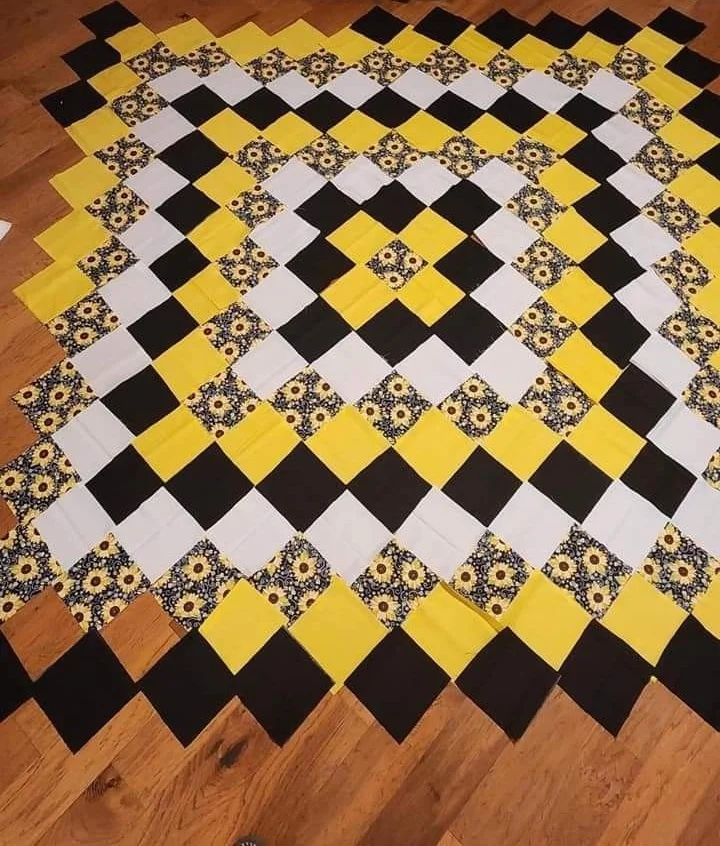
Understanding the Trip Around the World Quilt Pattern
The Trip Around the World Quilt Pattern is based on a simple grid of fabric squares arranged in a carefully planned sequence. The arrangement of colors creates a sense of movement that appears to travel across the quilt.
Traditionally, quilters organize fabrics according to color value. Light fabrics are often placed near the center, while progressively darker shades move outward, creating depth and dimension.
One of the most attractive features of this quilt design is that it does not require complicated piecing techniques. Most of the quilt is constructed using basic squares sewn together in rows.
Although the construction process is relatively simple, the finished result appears sophisticated and intricate. This combination of simplicity and beauty makes the pattern especially appealing.
The pattern has been passed down through generations and continues to be featured in quilting books, classes, and quilting communities worldwide.
Today, many quilters enjoy creating contemporary versions of the Trip Around the World Quilt Pattern by experimenting with bold colors, modern prints, and creative fabric combinations.
Choosing Fabrics and Colors for Stunning Results
Fabric selection plays a major role in the success of a Trip Around the World Quilt Pattern. The arrangement of colors is what creates the pattern’s signature visual effect.
Many quilters prefer using fabrics that gradually transition from light to dark. This approach emphasizes the illusion of movement and helps the design stand out clearly.
A monochromatic color scheme can produce a sophisticated and elegant appearance. Using multiple shades of blue, green, gray, or any favorite color can create remarkable results.
Rainbow color palettes are another popular option. Bright colors arranged in a flowing sequence create a cheerful and energetic quilt that instantly captures attention.
Scrap fabrics can also be used effectively. A scrap version of the Trip Around the World Quilt Pattern allows quilters to use leftover materials while creating a quilt full of personality and memories.
When selecting fabrics, it is helpful to lay them out before cutting. Viewing the colors together can reveal whether the transitions are smooth enough to achieve the desired visual impact.
How to Make a Trip Around the World Quilt Pattern
The first step is determining the desired quilt size. Knowing the finished dimensions will help calculate the number of squares and amount of fabric required.
Next, cut the fabric into evenly sized squares. Accurate cutting is essential because small inconsistencies can affect the alignment of the quilt.
After cutting, arrange the squares according to the planned color sequence. This stage is often one of the most enjoyable parts of the project because the design begins to emerge.
Once satisfied with the layout, sew the squares together into rows. Maintaining a consistent seam allowance throughout the project will improve accuracy.
After completing the rows, press the seams carefully. Proper pressing reduces bulk and helps the rows fit together smoothly during assembly.
Finally, join all rows together to create the quilt top. Add batting and backing fabric, then quilt and bind the project to complete your beautiful Trip Around the World Quilt Pattern.
Creative Variations and Modern Design Ideas
Many quilters enjoy giving the traditional Trip Around the World Quilt Pattern a modern twist. Small adjustments can dramatically change the final appearance.
Using bold contemporary prints instead of traditional fabrics can transform the design into a striking modern quilt while preserving the classic layout.
Batik fabrics are particularly popular for this pattern because their subtle color variations enhance the illusion of movement throughout the quilt.
Seasonal themes also work beautifully. Autumn fabrics, winter prints, spring florals, or holiday-themed collections can make the quilt suitable for seasonal decorating.
Some quilters add borders, sashing, or decorative cornerstones to personalize the design further. These additions can frame the quilt and enhance its visual appeal.
Another creative approach involves varying the square sizes or combining the pattern with other quilt blocks. These modifications allow quilters to create a truly one-of-a-kind project while honoring the traditional pattern.
Frequently Asked Questions About Trip Around the World Quilt Pattern
What is a Trip Around the World Quilt Pattern?
The Trip Around the World Quilt Pattern is a traditional quilt design made from fabric squares arranged in a specific color sequence to create the illusion of movement and depth.
Is the Trip Around the World Quilt Pattern suitable for beginners?
Yes. Since the quilt primarily uses simple squares and straight seams, it is considered beginner-friendly while still producing impressive results.
How much fabric do I need?
The amount of fabric depends on the size of the quilt and the number of colors used. Larger quilts naturally require more fabric than smaller projects.
What fabrics work best for this pattern?
High-quality quilting cotton is the most common choice. However, batiks, modern prints, florals, and coordinated fabric collections can all work beautifully.
Can I use scrap fabrics?
Absolutely. Scrap quilts are a popular variation of the Trip Around the World Quilt Pattern and often result in colorful, unique designs.
What size squares should I use?
Many quilters use squares ranging from 2.5 to 5 inches, but the size can be adjusted depending on the desired finished dimensions and visual effect.
How long does it take to make this quilt?
Completion time varies depending on the quilt size and the quilter’s experience level. Smaller versions can be finished within a few days, while larger quilts may take several weeks.
Why is this pattern so popular?
Its popularity comes from its combination of simple construction, stunning visual effects, and endless opportunities for color experimentation.
Conclusion
The Trip Around the World Quilt Pattern has earned its place as one of the most cherished quilt designs in quilting history. Its clever use of color placement creates a captivating illusion of movement while relying on simple piecing techniques that are accessible to quilters of all skill levels. This unique balance of beauty and simplicity has helped the pattern remain popular for generations.
Throughout this article, we explored the fundamentals of the pattern, learned how color selection influences the final design, examined the basic construction process, and discovered creative ways to personalize the quilt. Whether you prefer traditional color arrangements, vibrant rainbow palettes, elegant monochromatic designs, or charming scrap quilts, the possibilities are virtually endless.