Weathervane Quilt Block Pattern is a timeless quilting design that has remained popular among quilters for generations. Known for its distinctive geometric appearance and balanced composition, this traditional quilt block offers both visual interest and versatility. Whether used as part of a large quilt, incorporated into a sampler quilt, or featured as the focal point of a quilting project, the Weathervane block continues to inspire quilters of all skill levels. Its combination of simple shapes and striking design makes it an excellent choice for both beginners and experienced quilting enthusiasts.
One of the reasons the Weathervane Quilt Block Pattern has endured through the years is its adaptability. This classic block can be created using a wide variety of fabrics, colors, and quilting styles. Traditional quilters often choose reproduction fabrics and historical color palettes, while modern quilters enjoy experimenting with bold prints, contemporary colors, and creative fabric combinations. No matter the approach, the Weathervane block maintains its recognizable charm and timeless appeal.
Learning how to create a Weathervane Quilt Block Pattern is also a valuable way to develop essential quilting skills. The block introduces quilters to common patchwork units such as half-square triangles and rectangles while encouraging precision and attention to detail. By mastering this traditional design, quilters gain confidence that can be applied to many other quilt patterns and projects. The result is a beautiful quilt block that showcases both craftsmanship and creativity.
Understanding the Weathervane Quilt Block Pattern
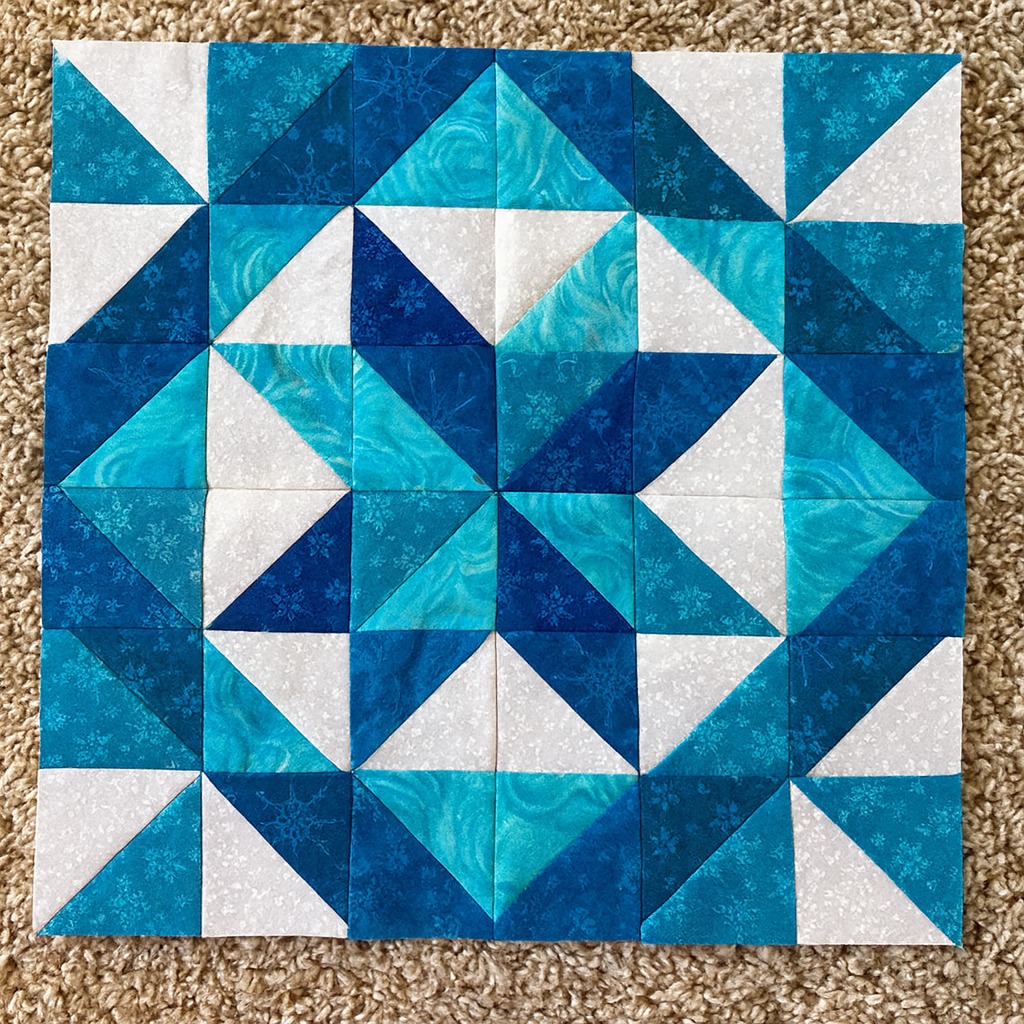
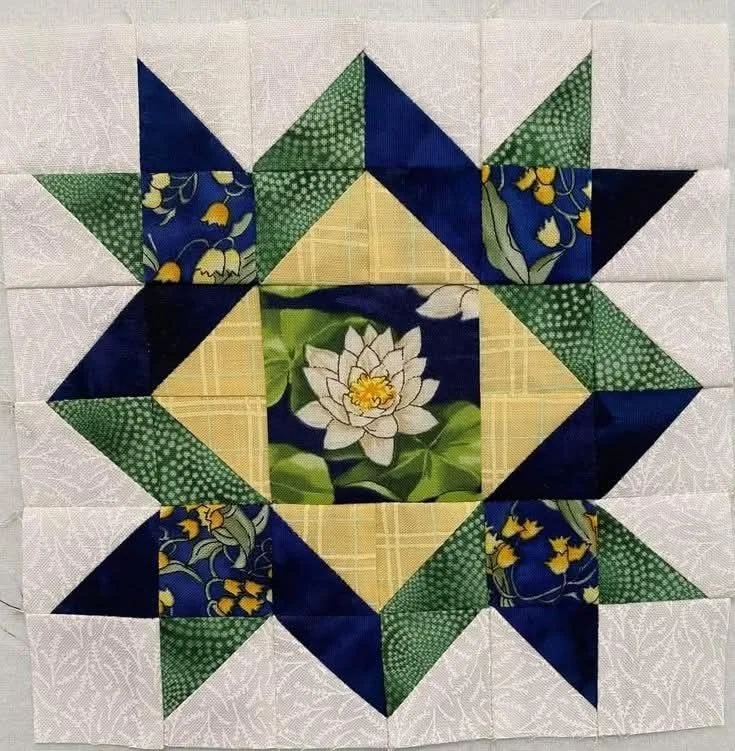
The Weathervane Quilt Block Pattern is a traditional patchwork block that combines geometric shapes to create a design that resembles the directional blades of a weather vane. This visual effect gives the block its distinctive name and recognizable appearance.
Typically, the block consists of half-square triangles, squares, and rectangular units arranged in a symmetrical layout. These simple components come together to form a design that appears far more intricate than the individual pieces suggest.
One of the defining characteristics of the Weathervane block is its sense of movement. Strategic placement of contrasting fabrics creates visual pathways that draw the eye across the block and emphasize its geometric structure.
The block is commonly constructed within a square format, making it easy to combine with other traditional quilt blocks. This flexibility allows quilters to incorporate it into a wide variety of quilt layouts and designs.
Color placement plays a significant role in the overall impact of the Weathervane Quilt Block Pattern. High-contrast fabrics help highlight the geometric shapes, while softer contrasts create a more subtle and elegant appearance.
Because of its balanced design and straightforward construction, the Weathervane block remains a favorite choice for quilting classes, workshops, and educational projects designed to teach foundational quilting techniques.
Choosing Fabrics and Colors for a Weathervane Quilt Block
Selecting fabrics carefully can dramatically enhance the appearance of a Weathervane Quilt Block Pattern. Thoughtful fabric choices help emphasize the design’s geometric structure and visual movement.
Many quilters prefer using contrasting light and dark fabrics. This contrast helps define the individual units and makes the overall pattern stand out clearly within the quilt.
Traditional color schemes often feature classic combinations such as red and white, blue and cream, or burgundy and navy. These palettes highlight the historical roots of the pattern while maintaining a timeless aesthetic.
Modern interpretations frequently incorporate vibrant colors, bold prints, and contemporary fabric collections. These choices can give the traditional block a fresh and updated appearance.
Fabric value is just as important as color. Even fabrics within the same color family can create effective contrast if they differ significantly in lightness and darkness.
Before cutting fabric, it is helpful to arrange selected materials together and evaluate their interaction. This planning stage can reveal whether the fabrics provide enough contrast to showcase the Weathervane Quilt Block Pattern effectively.
How to Make a Weathervane Quilt Block Pattern
The first step in creating a Weathervane Quilt Block Pattern is gathering the required fabric pieces. Most versions of the block use squares, rectangles, and half-square triangle units.
Accurate cutting is essential for achieving precise results. Using a rotary cutter, quilting ruler, and cutting mat helps ensure that all pieces are cut consistently.
Half-square triangles are often the primary building blocks of the design. These units are created by sewing two contrasting fabric squares together and then cutting or trimming them to the desired size.
Once the individual units are prepared, they are arranged according to the block layout. Taking time to verify the orientation of each piece helps prevent assembly errors later.
The units are typically sewn together in rows. This method simplifies construction and allows quilters to focus on maintaining accurate seam allowances throughout the process.
After assembling the rows, they are joined together to complete the block. Careful pressing during each stage helps reduce bulk and improves the overall appearance of the finished Weathervane Quilt Block Pattern.
Creative Ways to Use the Weathervane Quilt Block Pattern
One popular use for the Weathervane Quilt Block Pattern is incorporating multiple blocks into a full-size quilt. Repeating the block across the quilt surface creates a cohesive and visually engaging design.
Sampler quilts frequently include Weathervane blocks alongside other traditional quilt patterns. This approach allows quilters to showcase a variety of techniques within a single project.
Wall hangings are another excellent application. A single oversized Weathervane block can serve as a striking decorative piece for a sewing room, living area, or hallway.
Table runners and table toppers also benefit from the elegant geometry of the block. These smaller projects provide opportunities to experiment with color combinations and fabric selections.
Many quilters use the Weathervane design as a teaching tool. Its combination of basic patchwork units makes it ideal for introducing beginners to essential quilting techniques.
Modern quilters often enlarge the block, use negative space, or incorporate contemporary quilting designs to create unique interpretations that blend tradition with modern aesthetics.
FAQ About Weathervane Quilt Block Pattern
What is a Weathervane Quilt Block Pattern?
The Weathervane Quilt Block Pattern is a traditional quilt block that uses geometric patchwork units arranged to resemble the directional blades of a weather vane.
Is the Weathervane block beginner-friendly?
Yes. While it requires accurate cutting and sewing, the block uses basic quilting units that make it suitable for beginners who want to practice fundamental patchwork skills.
What fabrics work best for this pattern?
High-quality quilting cotton is the most common choice. Fabrics with strong contrast help highlight the block’s geometric design.
What size can a Weathervane block be made?
The block can be created in many sizes, from small sampler blocks to large statement blocks used in modern quilt designs.
Can I use scrap fabrics for a Weathervane quilt?
Absolutely. Scrap fabrics can add variety and visual interest while maintaining the block’s traditional structure.
Why is contrast important in the Weathervane block?
Contrast helps define the shapes within the design and enhances the visual movement that makes the block so distinctive.
How many Weathervane blocks are needed for a quilt?
The number depends on the desired quilt size and the dimensions of each finished block.
Is the Weathervane Quilt Block Pattern still popular today?
Yes. The pattern remains widely used because of its timeless design, versatility, and ability to adapt to both traditional and modern quilting styles.
Conclusion
The Weathervane Quilt Block Pattern is a classic quilting design that continues to captivate quilters with its elegant geometry, balanced composition, and endless creative possibilities. By combining simple patchwork units such as half-square triangles, squares, and rectangles, this traditional block creates a visually striking pattern that works beautifully in quilts of all sizes.
Throughout this article, we explored the history and structure of the Weathervane Quilt Block Pattern, discussed fabric selection strategies, reviewed the construction process, and examined various ways to incorporate the block into quilting projects. Whether you prefer traditional color palettes or modern fabric collections, the Weathervane block offers countless opportunities for personalization and artistic expression.