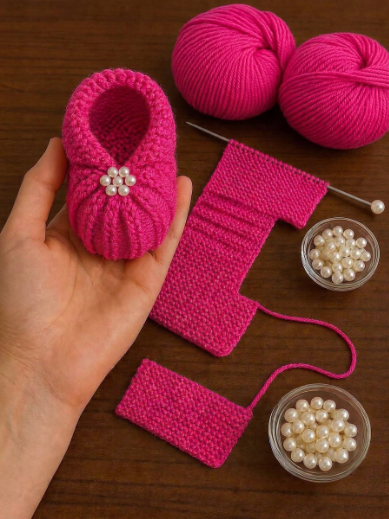
Crochet Baby Booties Pattern is one of the most loved projects among crochet enthusiasts because it combines beauty, practicality, and creativity in a small handmade item. Baby booties are soft, comfortable, and adorable, making them a wonderful choice for baby showers, newborn gifts, photo sessions, or everyday wear. Although they are small, these tiny shoes allow crocheters to practice shaping, working in rounds, increasing stitches, and creating neat finishes while producing something both useful and meaningful. Whether you prefer a classic style or a modern design, a handmade pair of crochet baby booties can become a treasured keepsake.
One of the greatest advantages of making a Crochet Baby Booties Pattern is that the project requires only a small amount of yarn and can often be completed in just a few hours. This makes it an excellent project for using leftover yarn from larger crochet creations. With different colors, textures, and decorative details, each pair can have its own personality. Neutral shades create timeless baby shoes, while soft pastels, bright colors, or elegant monochromatic combinations allow endless opportunities for customization.
Learning how to crochet baby booties is also an excellent way to improve important crochet techniques. Most designs include working in continuous or joined rounds, increasing stitches to shape the sole, building the sides, creating the toe section, and finishing with decorative edges or straps. Since the project is relatively small, it is suitable for confident beginners while still being enjoyable for experienced crocheters who appreciate quick and satisfying projects. This guide explains the materials, US crochet terminology, construction process, finishing techniques, sizing considerations, creative variations, and frequently asked questions about making beautiful crochet baby booties.
Choosing Yarn, Hook Size, and Preparing Your Materials
The first step in making a Crochet Baby Booties Pattern is selecting a soft and comfortable yarn. Babies have delicate skin, so smooth yarn with a pleasant texture is usually the best choice. Cotton, soft acrylic, bamboo blends, or baby-specific yarns are all excellent options because they provide comfort while remaining easy to crochet.
Yarn weight influences the final size and structure of the booties. Lightweight yarn creates delicate baby shoes, while medium-weight yarn is often easier for beginners to work with. Whatever yarn you choose, make sure it provides enough softness while maintaining the shape of the finished booties.
Choose a crochet hook that matches the selected yarn. A slightly smaller hook creates firmer fabric, helping the booties keep their shape. A larger hook produces softer fabric with more flexibility. The ideal combination depends on the yarn, your personal tension, and the desired finished size.
The basic US crochet terms commonly used in a Crochet Baby Booties Pattern include chain (ch), slip stitch (sl st), single crochet (sc), half double crochet (hdc), double crochet (dc), and simple increases and decreases. Many baby bootie designs also use working in the round, which helps create smooth, seamless construction.
Additional supplies include scissors, a yarn needle for weaving in ends, and stitch markers to identify the beginning of each round. Stitch markers are especially useful because the rounds can become difficult to identify once the project begins to take shape.
Before starting the complete bootie, consider making a small gauge swatch if finished size is important. Crochet tension varies between individuals, and even small differences can noticeably affect the final measurements of baby footwear.
How to Crochet the Sole and Build the Bootie
Every Crochet Baby Booties Pattern begins with the sole. Start by creating the foundation chain according to the desired size. The chain forms the center of the sole, while stitches worked around both sides gradually create the oval shape needed for the baby’s foot.
Work the first round carefully, placing increases at both ends of the foundation chain. These increases allow the sole to curve naturally. Count the stitches after completing each round to ensure the shape remains symmetrical.
Continue crocheting additional rounds until the sole reaches the required dimensions. The increases become smaller as the sole grows. Compare both sides regularly to ensure they remain balanced. A neat, symmetrical sole provides the foundation for the rest of the crochet baby booties.
Once the sole is complete, begin building the sides. Instead of continuing to increase, work evenly around the edge. Some patterns use back-loop stitches during the first side round to create a defined edge between the sole and upper portion. This simple technique helps the bootie stand upright.
As the sides become taller, the shape of the shoe begins to appear. Maintain even tension and avoid stretching the stitches. Smooth sides create a more polished appearance and make the toe shaping easier during the following rounds.
The toe section is formed by working decreases across the front portion of the bootie. These decreases gradually close the opening while creating a comfortable rounded toe. Continue shaping until the opening reaches the desired size, always checking that both booties remain identical if working on a pair.
Shaping the Upper Section and Adding Decorative Details
After the toe has been shaped, the upper edge of the Crochet Baby Booties Pattern can be finished in several different ways. A simple row of single crochet creates a clean appearance, while shell stitches, picots, or gentle scallops provide a decorative finish.
Some bootie styles include a cuff that folds downward. This cuff may be created with additional rounds of single crochet, half double crochet, or ribbed stitches worked in the back loop only. Ribbing gives the cuff flexibility while helping it remain comfortably around the baby’s ankle.
Another popular option is adding a small strap across the top of the foot. The strap can fasten with a decorative button or simply be sewn into place as a design feature. If buttons are used, always ensure they are securely attached and appropriate for the intended use.
Color changes offer another opportunity for creativity. The sole, upper section, cuff, and edging can all be made in coordinating or contrasting colors. Soft pink, baby blue, cream, sage green, lavender, mustard, gray, and white are all popular choices for crochet baby shoes.
Tiny decorative bows, flowers, pom-poms, or embroidered details may also be added carefully. Decorative features should remain securely attached and should never interfere with the comfort of the booties. A simple design is often both elegant and practical.
When the bootie is complete, weave in every yarn end carefully using a yarn needle. Hide the tails inside the stitches without creating bulky areas. A neat finish greatly improves the appearance and durability of the finished Crochet Baby Booties Pattern.
Helpful Tips, Creative Variations, FAQ, and Conclusion
The most important factor when making crochet baby booties is consistency. Keep the same yarn, hook, stitch count, and tension throughout both booties so they match in size and shape. Many crocheters complete one bootie first, then immediately make the second while the construction is still fresh in memory.
If the booties appear slightly different, compare the sole measurements first. Small differences often begin in the foundation rounds and become more noticeable after shaping the upper section. Measuring regularly helps identify problems before they become difficult to correct.
The Crochet Baby Booties Pattern can be adapted for every season. Lightweight cotton works well for warmer weather, while soft acrylic or wool blends provide additional warmth during cooler months. Seasonal colors can also make the booties especially charming for holidays or special occasions.
Matching accessories are another fun idea. Using the same yarn, you can create a baby hat, mittens, blanket, or sweater that coordinates perfectly with the booties. Handmade gift sets are especially appreciated by new parents because every piece matches beautifully.
Baby booties also make wonderful keepsakes. Even after the baby outgrows them, many families choose to keep handmade booties as treasured memories. Their small size and sentimental value make them special long after they are no longer worn.
Most importantly, enjoy the process. Small projects like these allow you to practice crochet techniques while creating something useful and meaningful. Every completed pair reflects patience, creativity, and careful craftsmanship.
Conclusion
The Crochet Baby Booties Pattern is a rewarding project that combines practical usefulness with beautiful handmade craftsmanship. By choosing soft yarn, maintaining even tension, shaping the sole carefully, building the sides, forming the toe, and finishing with decorative details, you can create adorable baby shoes that are both comfortable and attractive.
Throughout this guide, you learned about selecting materials, understanding US crochet terminology, crocheting the sole, shaping the upper section, adding cuffs and straps, personalizing the design, and finishing the booties neatly. These techniques provide a strong foundation for creating matching pairs in a variety of colors and styles.