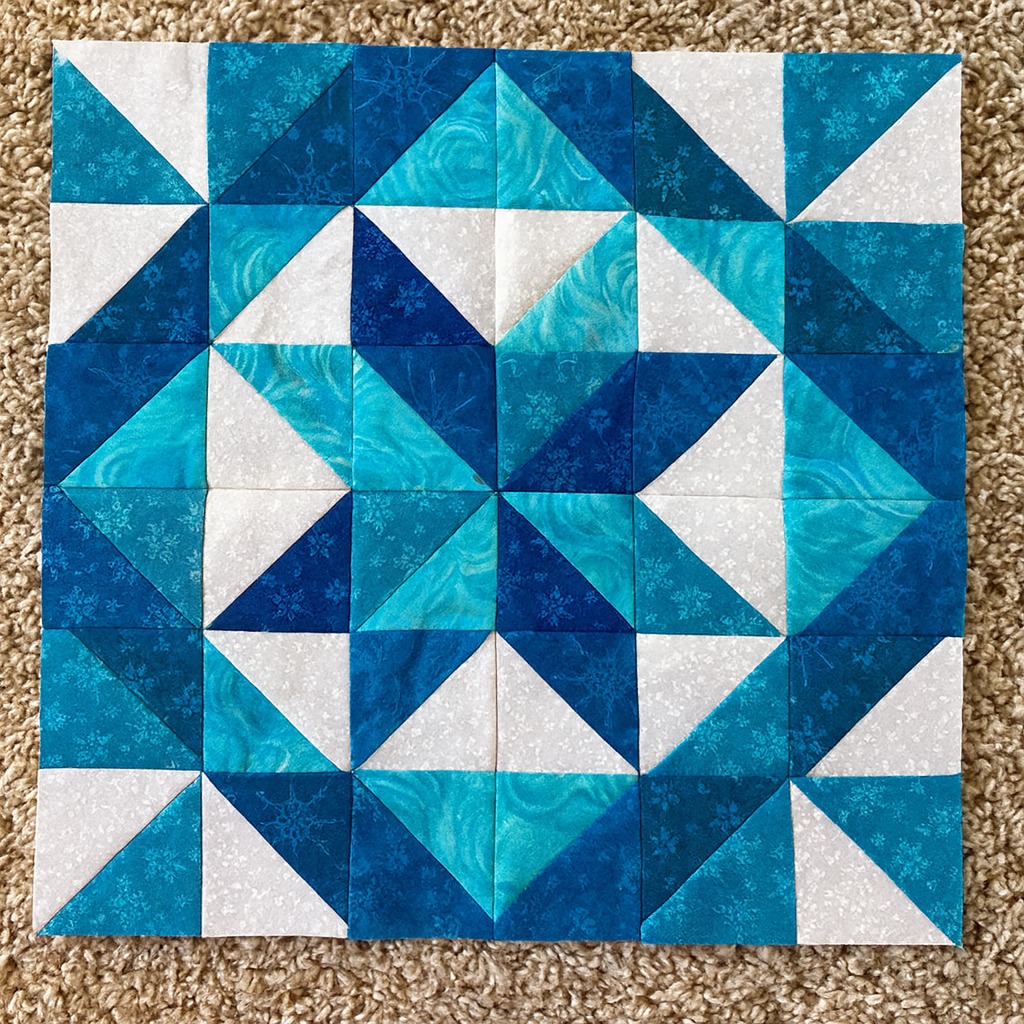
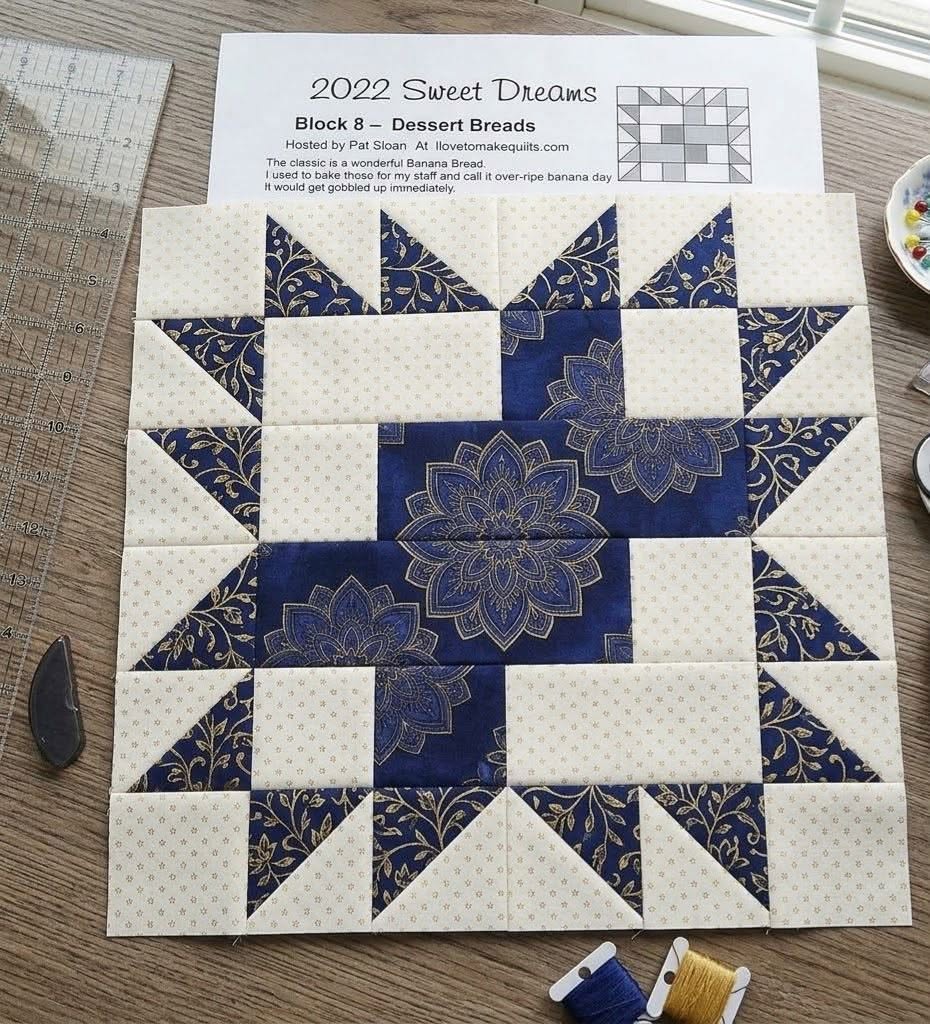
Dessert Breads Block Pattern is a delightful quilting design that combines the warmth of home baking with the timeless beauty of patchwork. Inspired by the comforting appearance of freshly baked dessert breads, this creative quilt block offers an opportunity to explore rich color combinations, geometric piecing, and charming fabric selections. Whether you imagine cinnamon bread, banana bread, pumpkin bread, or other sweet baked favorites, the Dessert Breads Block Pattern can be interpreted through carefully chosen fabrics that capture the cozy feeling of a welcoming kitchen. The finished block works beautifully in quilts, table runners, wall hangings, pillows, and many other decorative sewing projects.
One of the reasons quilters enjoy the Dessert Breads Block Pattern is its versatility. The block can be made with traditional prints, warm earth tones, modern solids, or cheerful seasonal fabrics. Browns, creams, golden yellows, soft oranges, and muted reds naturally suggest baked goods, while floral, gingham, and low-volume prints add visual interest without overwhelming the design. Depending on the layout, multiple blocks can create attractive secondary patterns that give the finished quilt additional movement and texture.
Making a Dessert Breads quilt block is also an excellent opportunity to strengthen essential quilting skills. Accurate cutting, consistent seam allowances, careful pressing, thoughtful color placement, and organized assembly all contribute to a polished result. Although the completed block may appear detailed, it becomes much easier when broken into smaller units that are sewn together one step at a time. This guide explains fabric selection, color planning, cutting techniques, block construction, layout ideas, finishing methods, creative variations, and answers to the most common questions about creating a beautiful Dessert Breads Block Pattern.
Choosing Fabrics, Colors, and Supplies
The first step in making a beautiful Dessert Breads Block Pattern is selecting fabrics that create warmth and contrast. Quilting cotton remains the preferred choice because it is easy to cut, sew, and press while offering excellent durability. Fabrics of similar weight help maintain consistent seam allowances and improve the overall appearance of the finished block.
Warm color palettes work especially well for this design. Shades of caramel, cinnamon, cream, beige, chocolate brown, honey, golden yellow, rust, and soft orange naturally evoke the comforting appearance of freshly baked dessert breads. These colors can be combined with subtle background fabrics to create depth while maintaining a balanced composition.
Print selection also influences the finished look. Small floral prints, tiny dots, subtle plaids, gingham, tone-on-tone fabrics, and low-volume backgrounds provide texture without distracting from the block’s structure. If using larger prints, consider fussy-cutting certain pieces to highlight attractive motifs.
Color value is just as important as color choice. Combining light, medium, and dark fabrics allows each section of the Dessert Breads quilt block to remain clearly visible. Strong contrast between neighboring pieces helps define the geometric construction while creating visual interest throughout the quilt.
Essential quilting tools include a rotary cutter, self-healing cutting mat, acrylic quilting ruler, sewing machine, coordinating thread, pins or clips, iron, ironing board, and a reliable quarter-inch presser foot. Good lighting and a sharp rotary blade also make cutting more accurate and enjoyable.
Before preparing enough pieces for an entire quilt, make one sample block. Testing the measurements, seam allowances, fabric placement, and pressing method allows you to make adjustments before cutting larger quantities of fabric, helping maintain consistency throughout the project.
Cutting and Sewing the Dessert Breads Block Pattern
Begin the Dessert Breads Block Pattern by pressing every fabric before cutting. Wrinkled fabric can affect measurements, especially when working with smaller pieces. Smooth, flat fabric produces cleaner cuts and more accurate patchwork.
Cut all pieces carefully using a rotary cutter and quilting ruler. Work on a stable cutting surface and avoid stacking too many fabric layers. Precision during cutting is one of the most important factors in producing quilt blocks that fit together accurately.
Organize the cut pieces according to color or section before sewing. Small containers, trays, or labeled groups help prevent confusion when the block includes several similar shapes. Keeping each block organized also reduces the chance of accidentally reversing an important piece.
Lay out the complete Dessert Breads quilt block before sewing. Viewing the arrangement allows you to evaluate color balance and verify the orientation of every piece. Taking a quick photograph of the layout can provide a useful reference during assembly.
Begin sewing the smaller units together using a consistent quarter-inch seam allowance. Combine these units gradually into larger sections, checking alignment after each stage. Avoid pulling the fabric through the sewing machine, allowing the feed dogs to move the pieces naturally.
Press every seam carefully after stitching. Set the seam first with the iron, then press in the chosen direction using an up-and-down motion instead of sliding the iron across the fabric. Careful pressing helps maintain the shape of the pieces while reducing distortion.
Assembling the Quilt and Finishing the Project
Once all the individual sections have been completed, arrange them on a flat surface before joining the larger units. This final layout provides an opportunity to confirm the orientation of every section before permanent seams are sewn.
Join the units carefully, matching intersections whenever possible. Pins or clips may be used to hold important points together while sewing. Accurate intersections help the finished Dessert Breads Block Pattern appear crisp and professional.
After the block is assembled, measure it carefully before trimming. Use a square quilting ruler to verify that the dimensions are correct and the design remains centered. Trim only when necessary to preserve the intended seam allowance.
If making multiple blocks, compare each completed block with the first successful one. Consistent size and color placement simplify the process of assembling the quilt top. Small differences can become more noticeable as additional rows are joined.
Arrange the completed Dessert Breads quilt blocks on a design wall or large table to experiment with different layouts. Rotating certain blocks may create interesting secondary designs that add movement across the quilt. Spend time exploring various arrangements before sewing the rows together.
After assembling the quilt top, prepare the backing and batting. Quilt the layers using straight-line quilting, gentle curves, grid quilting, or another design that complements the geometric structure. Finish by trimming the edges and attaching quilt binding for a durable and attractive border.
Creative Variations, Helpful Tips, FAQ, and Conclusion
The Dessert Breads Block Pattern offers many opportunities for personalization. Traditional warm fabrics create a cozy kitchen-inspired appearance, while modern solids produce a clean contemporary design. Seasonal fabrics can also adapt the pattern for autumn, holidays, or farmhouse décor.
A scrappy version is an excellent way to use leftover quilting fabrics. By selecting scraps within a coordinated color palette, every block becomes slightly different while still maintaining visual harmony throughout the finished quilt.
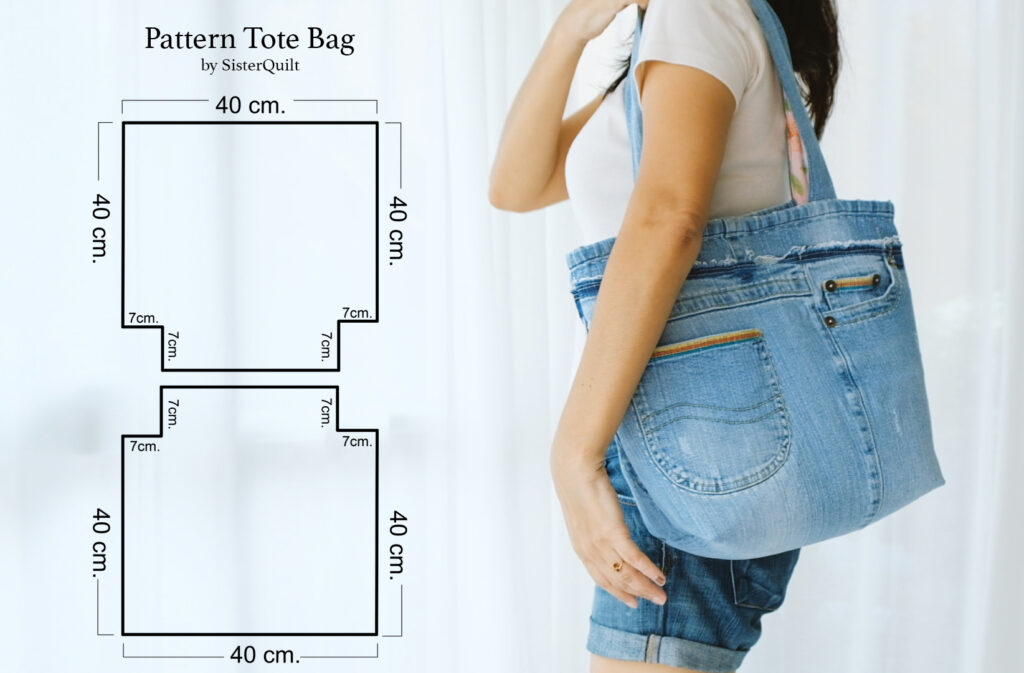
This versatile block also works beautifully in smaller projects. A single Dessert Breads quilt block can become a pillow cover, tote bag panel, placemat, wall hanging, or table runner. Smaller projects allow you to experiment with color combinations before beginning a full quilt.
Consistent sewing habits produce the best results. Measure carefully, maintain accurate seam allowances, press frequently, and compare completed units before joining larger sections. Small corrections made early help prevent more complicated adjustments later.
Thoughtful fabric placement can dramatically change the appearance of the quilt. Group similar colors for a soft blended effect, or alternate strong contrasts to emphasize the geometry. Even subtle changes in layout can create entirely different visual impressions.
Most importantly, enjoy the creative process. Every Dessert Breads Block Pattern reflects your personal fabric choices, sewing style, and artistic vision. No two quilts will look exactly alike, making each finished project truly unique.
Conclusion
The Dessert Breads Block Pattern combines the comforting inspiration of homemade baking with the timeless elegance of traditional patchwork. Through careful fabric selection, accurate cutting, organized assembly, and thoughtful quilting, you can create a project that feels both warm and inviting.
Throughout this guide, you learned how to choose fabrics, understand color value, prepare accurate pieces, assemble the quilt block, arrange multiple blocks, quilt the finished top, and personalize the design with your own favorite colors and prints. These techniques provide a solid foundation for creating quilts that are both beautiful and durable.