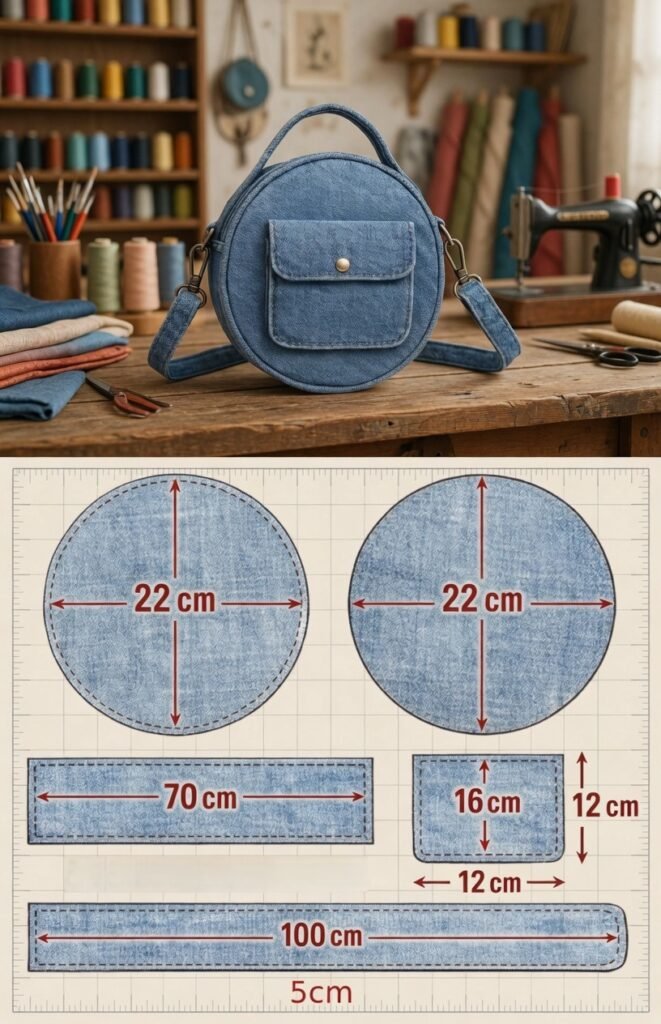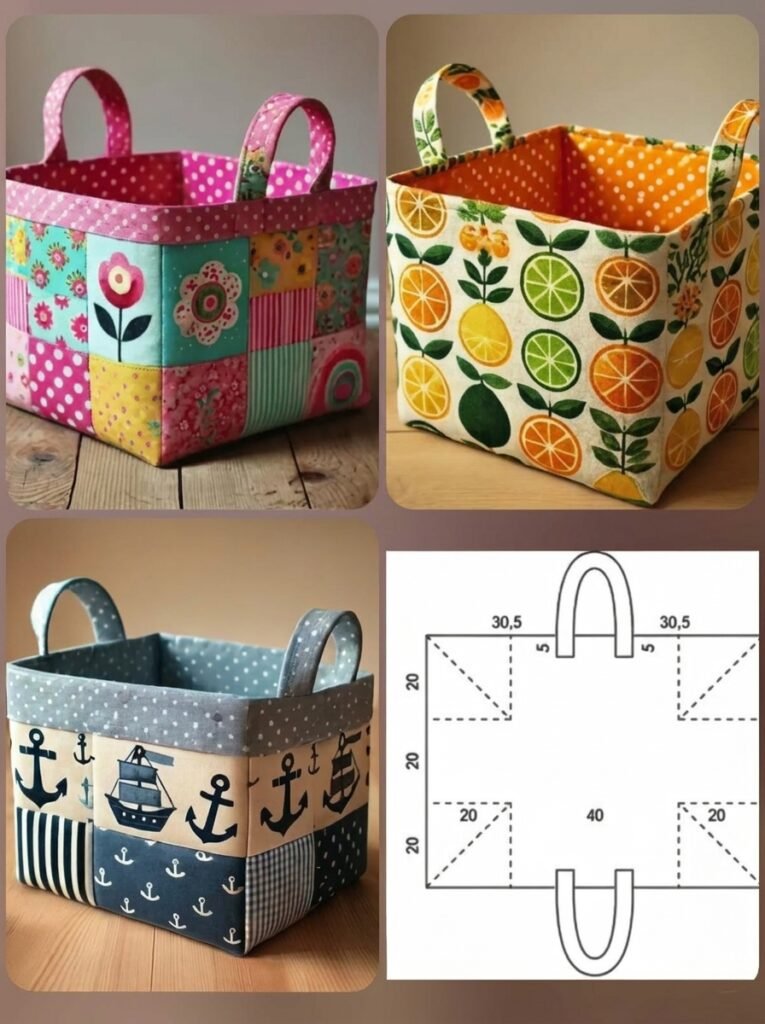
Denim Fabric Bag Pattern is a timeless sewing project that combines durability, practicality, and creativity into a stylish handmade accessory. Whether you are repurposing old denim garments or working with new denim fabric, the Denim Fabric Bag Pattern is an excellent project for sewists of every skill level. Denim is known for its strength and versatility, making it one of the best fabrics for everyday bags that can be used for shopping, work, school, travel, or casual outings. With thoughtful fabric choices and careful construction, you can create a unique bag that is both functional and fashionable.
One of the greatest advantages of the Denim Fabric Bag Pattern is its flexibility. The design can be adapted into a tote bag, shoulder bag, handbag, market bag, or project bag simply by adjusting the dimensions and adding personalized details. Decorative stitching, patchwork panels, embroidery, lace, appliqué, or recycled jean pockets can all be incorporated to make each bag one of a kind. Because denim ages beautifully, the finished project develops even more character over time while remaining strong enough for daily use.
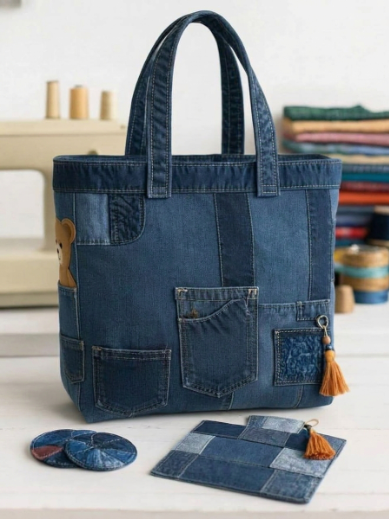
In this complete tutorial, you will learn how to sew the Denim Fabric Bag Pattern step by step using simple construction methods that produce professional-looking results. From choosing the right denim and preparing the materials to cutting accurate pattern pieces, assembling the exterior, sewing the lining, attaching sturdy handles, reinforcing stress points, and adding the finishing details, every stage has been explained in clear and beginner-friendly language. By following this guide, you can recreate the project shown in the photo while improving your sewing skills and creating a beautiful handmade accessory.
Gather Materials and Prepare the Denim Fabric
Before beginning the Denim Fabric Bag Pattern, gather all the necessary sewing supplies. You will need denim fabric or recycled jeans, lining fabric, matching polyester thread, sewing machine, denim sewing needle, fabric scissors or rotary cutter, self-healing cutting mat, quilting ruler, measuring tape, sewing clips or pins, iron, and medium-weight fusible interfacing if additional structure is desired.
Choose denim that matches the purpose of your finished bag. Medium-weight denim works well for everyday tote bags, while heavier denim creates a sturdier structure for larger shopping bags. Recycled jeans are also an excellent option because they add character while promoting sustainable sewing.
Select a coordinating lining fabric made from quilting cotton or lightweight canvas. A colorful lining adds personality to the bag while protecting the inside seams and creating a polished interior finish.
Wash, dry, and press all fabrics before cutting. Prewashing minimizes shrinkage, removes excess dye, and prepares the fabric for accurate measuring. Pressed fabric also makes it much easier to cut precise pattern pieces.
Measure carefully and cut all exterior, lining, pocket, and handle pieces according to your preferred bag size. Accurate cutting ensures that every component aligns properly during construction and contributes to a professional-looking result.
Arrange all the cut pieces on your sewing table before beginning assembly. Confirm the placement of pockets, straps, decorative panels, and lining pieces so that every element is organized before stitching begins.
Step-by-Step Guide to Sewing the Denim Fabric Bag Pattern
Start by preparing any decorative elements you would like to include on the exterior. If using recycled jean pockets, decorative stitching, embroidery, or patchwork panels, attach these features while the exterior pieces remain flat. This approach makes sewing much easier and ensures accurate placement.
If your denim is lightweight, fuse interfacing to the wrong side of the exterior panels. This additional support helps the finished bag maintain its shape while improving durability during everyday use.
Place the exterior pieces with right sides together and sew along both side seams and the bottom using a sturdy straight stitch and a consistent seam allowance. Reinforce the beginning and end of each seam with backstitching to strengthen the construction.
To create a roomy bag, sew boxed corners by flattening each bottom corner, measuring equal distances from the point, stitching across the marked line, and trimming away the excess fabric. This simple technique gives the bag depth and allows it to stand upright more easily.
Prepare the lining using the same construction process, leaving a small opening along the bottom edge. This opening allows the bag to be turned right side out after joining the lining and exterior together.
Insert the exterior bag into the lining with right sides facing each other. Sew around the upper edge, turn the project through the lining opening, stitch the opening closed, then finish by topstitching around the upper edge and securely attaching the handles.
Helpful Sewing Tips for a Professional Finish
Always use a denim or heavy-duty sewing needle when working with thicker fabrics. Denim needles are specifically designed to sew through dense layers without skipping stitches or breaking.
Increase your stitch length slightly when sewing denim. Longer stitches feed heavy fabric more smoothly through the sewing machine while creating stronger seams that are well suited for everyday use.
If your machine struggles over bulky seam intersections, use a folded fabric scrap behind the presser foot to keep it level while sewing across thick areas. This simple trick helps maintain even stitching.
Double-stitch the handles and other stress points for additional durability. Bags receive frequent use, so reinforcing these areas greatly extends the life of the finished project.
Press every seam carefully after stitching. Proper pressing reduces bulk, flattens seam allowances, and gives the completed Denim Fabric Bag Pattern a cleaner and more professional appearance.
Do not hesitate to personalize your project with decorative labels, contrast topstitching, fabric flowers, appliqué, quilting, lace, or recycled denim details. Small creative additions transform a simple bag into a truly unique handmade accessory.
Finishing Your Denim Fabric Bag Pattern and Creative Customization Ideas
After assembling the main bag, inspect every seam for loose threads or uneven stitching. Correcting small imperfections before regular use helps improve the bag’s durability and overall appearance.
Add interior pockets if you would like additional storage for keys, phones, notebooks, wallets, or sewing supplies. Functional pockets increase convenience without significantly increasing construction difficulty.
Consider installing a magnetic snap, zipper, drawstring, or button closure depending on how you plan to use your bag. Closures help secure the contents while adding another professional finishing detail.
Experiment with combining multiple shades of denim to create a patchwork design. Light, medium, and dark denim work beautifully together and produce an eye-catching handcrafted appearance.
Use leftover denim scraps to make matching accessories such as zipper pouches, wallets, pencil cases, coin purses, or keychains. Coordinated projects maximize fabric usage while creating attractive handmade gift sets.
Once your Denim Fabric Bag Pattern is complete, give it one final pressing and enjoy using your handmade creation for shopping, work, travel, sewing projects, or everyday activities. A carefully sewn denim bag is designed to remain both beautiful and durable for years to come.
Frequently Asked Questions
Is the Denim Fabric Bag Pattern suitable for beginners?
Yes. The Denim Fabric Bag Pattern is an excellent beginner-friendly sewing project because it teaches essential skills such as straight stitching, sewing boxed corners, attaching handles, and constructing a lining.
What type of denim works best?
Medium-weight denim is generally the easiest to sew while still providing excellent durability. Recycled jeans and new denim fabric are both suitable choices.
Do I need interfacing?
Interfacing is recommended for lightweight denim because it provides additional structure. Heavy denim often has enough stability on its own, although interfacing may still improve the finished appearance.
Can I include the original jean pockets?
Absolutely. Recycled jean pockets are one of the most popular decorative and functional features in the Denim Fabric Bag Pattern, adding both character and convenient storage.
What thread should I use?
High-quality polyester thread is recommended because it offers excellent strength and performs well when sewing thicker denim fabrics.
Can I wash the finished bag?
Yes. Most denim bags can be machine washed on a gentle cycle with mild detergent. Air drying or tumble drying on low heat helps preserve both the fabric and stitching.
How can I make the bag stronger?
Reinforce the handles, use quality thread, maintain consistent seam allowances, sew boxed corners, and backstitch all major seams. These simple techniques significantly improve durability.
Can I customize the size?
Certainly. The Denim Fabric Bag Pattern can easily be adjusted to create shopping totes, handbags, shoulder bags, project bags, diaper bags, or travel bags simply by modifying the dimensions.
Conclusion
The Denim Fabric Bag Pattern is a rewarding sewing project that combines creativity, functionality, and long-lasting durability in one practical handmade accessory. Throughout this tutorial, you learned how to prepare denim fabric, accurately cut every pattern piece, construct the exterior and lining, sew boxed corners, reinforce important seams, attach sturdy handles, and personalize the finished bag with decorative details. These techniques create a professional-looking bag that is suitable for everyday use while helping you build valuable sewing skills.
As you continue exploring the Denim Fabric Bag Pattern, feel free to experiment with different denim shades, patchwork layouts, decorative stitching, recycled jean pockets, colorful linings, and creative embellishments. Every finished bag becomes a unique expression of your personal style while giving you the satisfaction of creating something useful with your own hands. If you enjoyed this tutorial, please leave your honest opinion and share your suggestions for future sewing projects. Your feedback is greatly appreciated and helps inspire even more creative handmade ideas for the sewing community.