Crochet Slippers Pattern is a wonderful choice for anyone who enjoys creating comfortable, practical, and beautiful handmade accessories. Crochet slippers combine warmth, softness, and personal style in a project that can be completed with basic crochet techniques. Whether you are making a cozy pair for yourself or preparing a thoughtful handmade gift, learning how to crochet slippers is a rewarding experience. With the right yarn, a suitable crochet hook, and a little patience, you can create footwear that feels comfortable around the house.
One of the greatest advantages of a Crochet Slippers Pattern is its flexibility. Unlike complicated garments that require extensive measurements and shaping, many beginner-friendly slippers use simple stitches and straightforward construction. You can customize the size, colors, texture, and thickness to suit your preferences. Some designs feature a closed toe and an open heel, while others provide full coverage for additional warmth.
Creating easy crochet slippers is also an excellent way to practice essential crochet skills while producing something useful. Beginners can improve their stitch consistency, understand simple increases and decreases, and become more confident working with different yarn textures. Experienced crocheters can experiment with decorative borders, colorful stripes, or textured stitches. The finished slippers can be worn during relaxing evenings, chilly mornings, or quiet weekends at home.
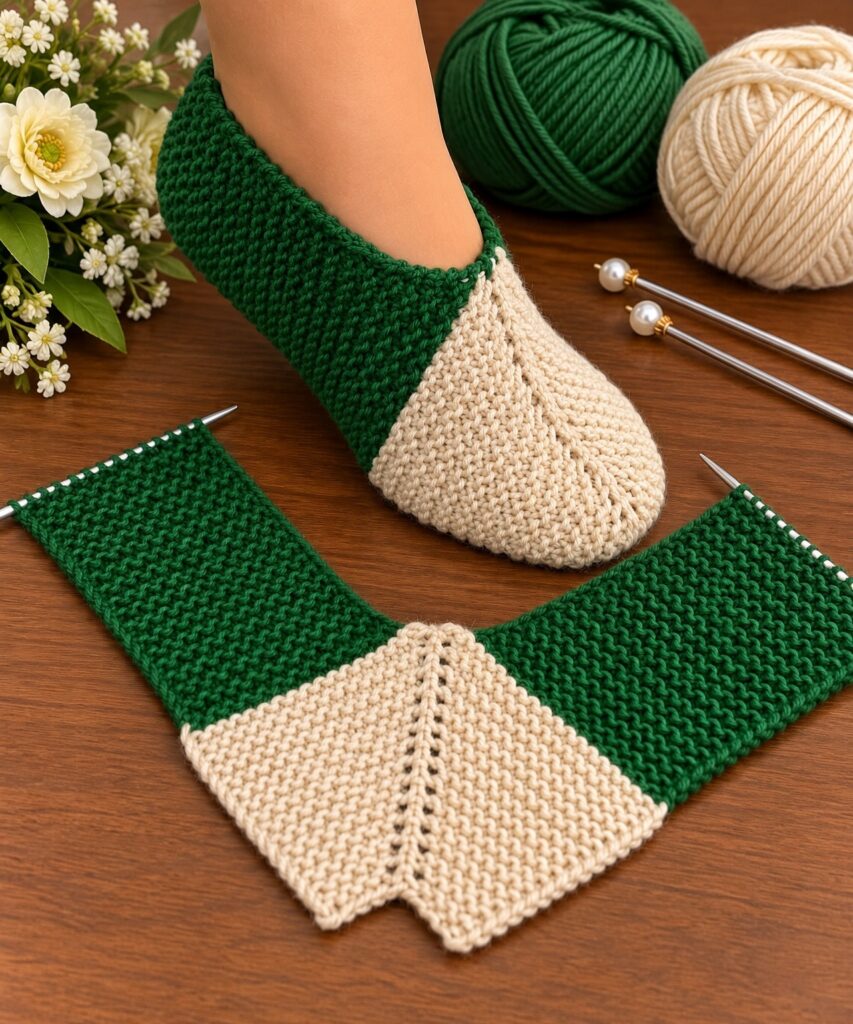
Materials and Basic Stitches for a Crochet Slippers Pattern
Before beginning your Crochet Slippers Pattern, gather the materials needed to make a comfortable and durable pair. Medium-weight yarn is an excellent starting point because it provides enough structure without making the slippers excessively bulky. Soft acrylic blends and washable wool blends are popular options for indoor footwear. Cotton can also work, although it may feel less elastic. Choose yarn that feels pleasant against your skin and has enough strength to withstand regular use. For a basic adult pair, approximately 150 to 250 yards of yarn is a reasonable starting estimate, depending on the size and design.
Selecting the correct crochet hook size is equally important. A 5 mm hook often works well with medium-weight yarn, although the yarn label may recommend a different size. A smaller hook creates firmer stitches, which can help slippers maintain their shape. A larger hook produces a softer and more flexible fabric. You will also need scissors, a yarn needle for sewing seams, and stitch markers to identify important points in the pattern. Measuring tape is especially useful when adjusting the slippers to match your foot length.
The most important stitches for beginner crochet slippers are the chain stitch, single crochet, half double crochet, and slip stitch. The chain stitch creates the foundation of many crochet projects, while single crochet produces a dense fabric suitable for footwear. Half double crochet provides slightly more flexibility and helps the project grow faster. Slip stitches are commonly used to join rounds or finish edges neatly. Practicing these basic stitches before beginning your slippers can make the entire process easier and more enjoyable.
Understanding crochet stitch tension helps ensure that both slippers have a consistent size. If your stitches are too tight, the fabric may feel stiff and uncomfortable. If they are too loose, the slippers may stretch excessively after repeated use. Try making a small practice swatch before starting the project. Observe how the yarn behaves and adjust your hook size when necessary. Consistent tension is particularly important when making two matching pieces because even small differences can affect their final appearance.
Choosing the right colors allows you to personalize your homemade crochet slippers. Neutral shades such as beige, gray, cream, and brown create a classic appearance that works well with many styles. Brighter colors can make the slippers more playful, especially when combined with contrasting borders. You can also use leftover yarn for stripes or small decorative details. However, using yarns with similar thickness and fiber characteristics helps maintain an even texture throughout the project. A simple color combination is often enough to create an attractive finished result.
Comfort and safety should always be considered when planning crochet house slippers. Crochet fabric can become slippery on smooth floors, especially when made with soft synthetic yarn. Adding a suitable nonslip sole treatment or securely attached nonslip material can improve traction, although no treatment guarantees slip resistance. Check that any product used is appropriate for fabric footwear and follow its instructions. The slippers should also fit comfortably without squeezing the toes or sliding off the heel. Proper sizing and a stable sole make handmade footwear more practical for everyday indoor use.
Step-by-Step Crochet Slippers Pattern for Beginners
This easy Crochet Slippers Pattern uses a simple rectangular construction that is suitable for beginners. The instructions use US crochet terminology and create a pair of soft, closed-toe slippers with a sewn heel. Start by measuring your foot from the back of the heel to the longest toe. You will crochet one rectangle for each slipper, then fold and sew it into shape. For this method, the rectangle should be approximately as long as your foot, with enough width to wrap comfortably around it. The exact measurements depend on your yarn, tension, and foot size.
Begin by making a foundation chain that measures approximately the length of your foot. For example, a foot measuring 9.5 inches may require a chain close to that length, depending on your stitch gauge. Chain one additional stitch, then work one half double crochet into the second chain from the hook and each remaining chain. Chain one and turn your work. Continue making half double crochet rows until the rectangle measures approximately the circumference of your foot around its widest area. The fabric should wrap around your foot comfortably without being stretched excessively.
Once your crochet slipper rectangle reaches the required dimensions, fasten off and leave a long yarn tail for sewing. Lay the rectangle flat with the longer direction running from toe to heel. Fold it lengthwise so the two long edges meet, creating a tube shape. Sew the long edges together along the underside, using a yarn needle and matching yarn. Leave the seam secure but flexible enough to move comfortably with the foot. This seam will become the bottom of the slipper, so avoid large knots or bulky stitches that could cause discomfort while walking.
To shape the crochet slipper toe, identify one short end of the folded rectangle. Thread the yarn needle through the stitches around that opening using a running stitch. Pull the yarn gently to gather the fabric into a rounded toe shape. Secure the gathering with several small stitches, then weave in the remaining yarn tail. The toe should be closed firmly without creating a hard lump inside the slipper. If the gathered section feels too bulky, distribute the folds more evenly before securing them. This simple technique creates the front of the slipper without complicated increases or decreases.
Next, shape the heel and foot opening. At the opposite short end, sew the two layers together vertically from the bottom seam upward for approximately 1.5 to 2 inches, adjusting the height for a comfortable heel. Leave the upper portion open for your foot. Turn the slipper right side out and try it on carefully. If the opening feels too loose, add a short row of single crochet around its edge. If it feels too tight, adjust the heel seam before finishing. Repeat the entire process to create the second slipper, checking that both pieces have matching dimensions.
Finish your handmade crochet slippers pattern by weaving in all loose ends and checking the seams for durability. You may add a decorative border around the opening using single crochet stitches. Work evenly around the edge, avoiding excessive tension that could make the slipper difficult to put on. For additional comfort, consider adding a thin, appropriately secured fabric lining. If you plan to wear the slippers on hard flooring, apply a suitable nonslip treatment according to its instructions. Your completed slippers should feel soft, flexible, and comfortably fitted.
How to Customize Crochet Slippers for Different Sizes and Styles
One of the most useful features of a Crochet Slippers Pattern is the ability to adjust its dimensions. Because the rectangular method depends on measurements rather than a fixed stitch count, it can be adapted for many adult foot sizes. Measure the intended wearer’s foot carefully before beginning. The length of the rectangle determines the approximate length of the finished slipper, while its width controls how much fabric wraps around the foot. Make a small adjustment if the yarn is particularly stretchy. Testing the fit before completing the seams helps prevent sizing problems.
When making crochet slippers for women, consider using soft yarn and a slightly flexible stitch pattern. Many people prefer slippers that fit snugly around the heel while leaving enough space for comfortable toe movement. Decorative borders can create a delicate finish without making the design difficult. Pastel colors, earthy shades, and simple two-tone combinations are attractive options. You can also add a small crocheted flower or bow, provided it is attached securely and does not interfere with comfort.
For crochet slippers for men, a simple design with neutral colors and a sturdy construction often works well. Dark gray, navy blue, olive green, and brown are popular choices for understated handmade footwear. A firmer stitch tension can help create a more structured appearance. When adapting the rectangular pattern for larger feet, remember to increase both the length and width as needed. Do not rely entirely on standard shoe sizes because foot measurements and preferred fit can vary significantly between individuals.
Creating chunky crochet slippers is another interesting option for colder weather. Bulky yarn produces thicker fabric and can make the slippers feel especially cozy. However, thicker yarn also changes the size of the stitches and the finished dimensions. Always measure your work instead of following the same stitch counts used with medium-weight yarn. A larger crochet hook may be necessary, depending on the yarn manufacturer’s recommendations. Chunky slippers are ideal for relaxed indoor wear, although their extra thickness may make them less suitable for wearing inside regular shoes.
Decorative techniques can transform a basic crochet slipper design into something more distinctive. Stripes are easy to create by changing yarn colors between rows. A contrasting single crochet border adds definition around the opening. You can also experiment with textured stitches, such as back-loop half double crochet, to create a ribbed appearance. Keep in mind that textured stitches may change the fabric’s stretch and thickness. Small details are often more effective than elaborate decorations, especially when the goal is to make comfortable footwear.
Finishing Techniques and Care Tips for Handmade Crochet Slippers
Proper finishing is essential for making crochet slippers look polished and last longer. After completing the main construction, inspect every seam and gently pull the fabric to identify loose stitches. Reinforce any areas that appear weak, especially around the toe and heel. These sections experience movement whenever the slippers are worn. Use a yarn needle to weave loose ends through several nearby stitches rather than simply cutting them short. Secure finishing helps prevent unraveling and gives the slippers a cleaner appearance.
A neat border can improve the shape of your Crochet Slippers Pattern while adding a decorative touch. Single crochet is a practical choice because it creates a firm, defined edge. Work stitches evenly around the foot opening, placing additional stitches only where necessary to keep the fabric flat. Too many stitches may cause the border to ripple, while too few can make the opening tight. If the first border does not sit correctly, remove it and adjust the stitch distribution. Taking a little extra time during finishing can noticeably improve the result.
Washing handmade crochet footwear correctly helps maintain its softness and shape. Always consider the care instructions for the yarn you used. Some acrylic yarns can be machine washed on a gentle cycle, while certain wool fibers require hand washing. When in doubt, wash the slippers gently in cool water with mild detergent. Avoid twisting or wringing the fabric aggressively because this may stretch the stitches. After washing, reshape the slippers and allow them to dry completely before wearing them again.
Storage is another important part of crochet slipper care. Keep clean, dry slippers in a well-ventilated location away from excessive moisture. Folding or compressing them tightly for long periods may distort their shape, especially when they are made with thick yarn. If the slippers are seasonal, store them in a breathable fabric bag. Before wearing them again, check the soles, seams, and decorative attachments. Regular inspection helps identify small problems before they become more difficult to repair.
Over time, cozy crochet slippers may develop minor signs of wear. Small areas of pilling are common with certain yarn fibers and do not necessarily mean the slippers are damaged. Remove loose pills carefully without cutting the main stitches. If a seam begins to open, repair it promptly with matching yarn. Slippers that become significantly stretched may require adjustment around the opening. Replacing worn nonslip material is also important because traction can decrease with repeated washing and use.
The most rewarding part of completing a beginner crochet slippers pattern is having a useful handmade accessory that reflects your effort and creativity. Each pair provides an opportunity to improve your skills and explore different materials. You may discover that a particular yarn creates a better fit or that a different border produces a more comfortable opening. Keep track of your measurements and stitch counts so you can repeat successful designs. With practice, making crochet slippers becomes an enjoyable project that combines creativity, relaxation, and everyday usefulness.
Conclusion
Making a Crochet Slippers Pattern is an enjoyable way to create comfortable handmade footwear using accessible materials and beginner-friendly techniques. Throughout this guide, you learned how to choose suitable yarn, practice essential stitches, measure your feet, construct rectangular slippers, customize different styles, and care for the finished project.