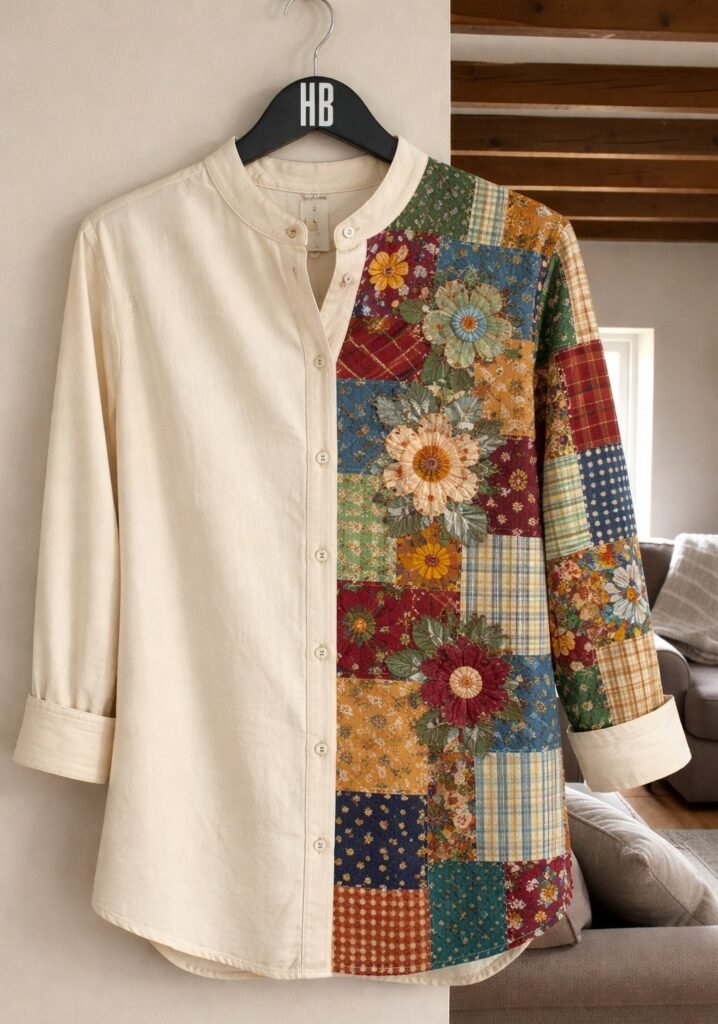
Patchwork Shirt Pattern is a stylish, creative, and sustainable sewing project that allows you to transform simple fabric scraps into a unique and wearable piece of art. If you are searching for a project that combines fashion, creativity, and eco-conscious design, learning the Patchwork Shirt Pattern is a perfect choice. This technique gives you the freedom to mix colors, textures, and prints, resulting in a one-of-a-kind garment that reflects your personality and creativity.
One of the most attractive aspects of the Patchwork Shirt Pattern is its artistic expression. Unlike mass-produced clothing, every patchwork shirt is completely unique. Each fabric piece tells a story, and when combined, they create a visually rich and meaningful design. This makes the process not only enjoyable but also deeply satisfying.
Another reason why the Patchwork Shirt Pattern is so popular is its sustainability. In a world where fast fashion dominates, creating your own clothing using leftover fabrics or repurposed garments is both environmentally friendly and cost-effective. You can give new life to old materials while reducing waste, making this project a great option for conscious creators.
Materials and Fabric Selection for Patchwork Shirt Pattern
Before starting your Patchwork Shirt Pattern, gathering the right materials is essential for achieving a comfortable and professional-looking garment.
The most important material is fabric. Cotton is highly recommended because it is easy to sew, breathable, and comfortable to wear. You can also incorporate fabrics like linen or lightweight denim for added texture, but it is important to ensure that all fabrics have similar weight and thickness to avoid uneven stitching or draping.
Patchwork projects are perfect for using fabric scraps. Choose a variety of prints, solids, and textures, but try to maintain a cohesive color palette. For example, you might choose warm tones, pastel shades, or a monochromatic theme to keep the design visually balanced.
You will also need a base shirt pattern. This can be a classic button-up shirt, a relaxed blouse, or even a simple oversized shirt depending on your style preference.
Additional materials include thread that matches or complements your fabric, interfacing for areas like collars and cuffs, and buttons or snaps for closures.
Essential tools include fabric scissors, a rotary cutter, cutting mat, quilting ruler, pins or clips, a sewing machine, an iron, and a measuring tape.
Optional materials include decorative trims, embroidery thread, labels, or even lace for extra detail.
Preparing your materials carefully will make the process of creating your Patchwork Shirt Pattern smoother and more enjoyable.
Designing Your Patchwork Layout
The design stage is one of the most exciting parts of the Patchwork Shirt Pattern, as it allows you to experiment with creativity and composition.
Start by deciding the overall style of your shirt. Do you want a fitted silhouette, a relaxed oversized look, or something more structured? Your choice will influence how you arrange your patchwork.
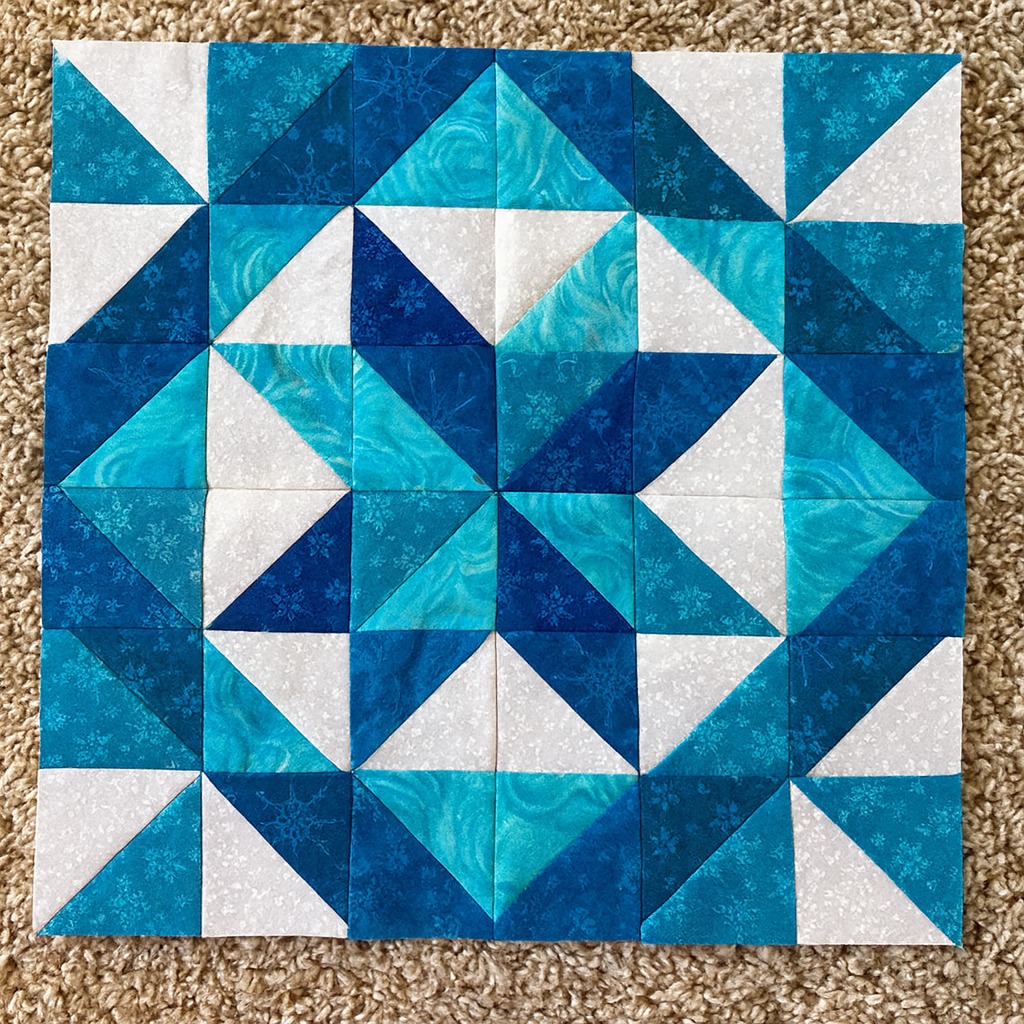
Next, plan your patchwork layout. You can use geometric shapes such as squares, rectangles, or triangles for a classic look. Alternatively, you can experiment with irregular shapes for a more artistic and modern design.
Lay out your fabric pieces on a flat surface before sewing. This allows you to visualize the final result and make adjustments as needed.
Balance is key. Try to distribute colors, patterns, and textures evenly across the design to avoid one area looking too busy or too plain.
You can create focal points by placing bold or contrasting fabrics in specific areas, such as the front panel or sleeves.
Taking a photo of your layout can help you remember the arrangement during assembly.
A well-planned design ensures your Patchwork Shirt Pattern looks cohesive, stylish, and intentional.
Cutting and Preparing Fabric Pieces
Accurate cutting is crucial for the success of your Patchwork Shirt Pattern.
Use a rotary cutter and quilting ruler to cut your fabric pieces into consistent shapes. This will make it easier to sew them together neatly.
If you prefer a more organic look, you can cut irregular shapes, but make sure the edges align properly when sewn.
Press all fabric pieces before sewing to remove wrinkles and ensure accuracy.
Arrange the pieces according to your design plan and label them if necessary.
Taking time to prepare your fabric properly will improve the overall quality of your project.
Sewing the Patchwork Panels
The next step in the Patchwork Shirt Pattern is sewing the individual pieces together to form larger panels.
Start by sewing smaller pieces into rows or sections. Use a consistent seam allowance, typically ¼ inch, to maintain uniformity.
Press seams open or to one side after each step to keep the fabric flat and reduce bulk.
Continue joining sections until you have panels large enough to cut your shirt pattern pieces.
This stage requires patience and attention to detail, but it is essential for achieving a clean and professional result.
The quality of your patchwork panels will greatly influence the final appearance of your Patchwork Shirt Pattern.
Cutting the Shirt Pattern Pieces
Once your patchwork panels are complete, it is time to cut out the shirt pieces.
Place your shirt pattern onto the patchwork fabric and pin it securely.
Carefully cut out the front, back, sleeves, and any additional components such as collars or cuffs.
Make sure the pattern is aligned properly so that the patchwork design looks balanced across the garment.
This step transforms your patchwork fabric into the structure of a shirt.
Assembling the Patchwork Shirt
Now comes the exciting stage of assembling your Patchwork Shirt Pattern.
Begin by sewing the shoulder seams, connecting the front and back pieces.
Attach the sleeves to the armholes, ensuring they are evenly aligned.
Next, sew the side seams to form the body of the shirt.
If your design includes a collar, cuffs, or button placket, attach these components carefully according to your pattern instructions.
Press all seams as you go to maintain a clean and professional finish.
This stage brings your patchwork shirt to life as a wearable garment.
Finishing Touches and Details
The finishing stage of the Patchwork Shirt Pattern is where you refine your work and add final details.
Hem the bottom of the shirt and the sleeves neatly.
Add buttons, snaps, or other closures if your design includes them.
Inspect all seams and reinforce any areas that may need extra strength.
Trim any loose threads and give the shirt a final press.
These finishing touches ensure your shirt looks polished and ready to wear.
Creative Ideas and Customization Options
One of the most exciting aspects of the Patchwork Shirt Pattern is the endless customization possibilities.
You can experiment with bold color combinations or subtle tonal palettes.
Add embroidery or appliqué for extra detail.
Mix different fabric textures such as cotton, denim, and linen.
Create themed shirts for different seasons or occasions.
Repurpose old clothing into patchwork pieces for a sustainable approach.
These ideas allow you to make your Patchwork Shirt Pattern truly unique and personal.
Tips for a Professional Finish
To achieve the best results with your Patchwork Shirt Pattern, keep these expert tips in mind.
Maintain consistent seam allowances throughout your project.
Press your seams frequently to keep everything neat.
Use high-quality thread and materials for durability.
Take your time with cutting and sewing to avoid mistakes.
Pay attention to small details, as they make a big difference in the final result.
FAQ About Patchwork Shirt Pattern
Is the Patchwork Shirt Pattern suitable for beginners?
Yes, beginners can start with simple layouts and basic shirt patterns.
How long does it take to complete?
It can take anywhere from one day to several days depending on complexity.
What fabric is best?
Cotton or lightweight fabrics are ideal for comfort and ease of sewing.
Can I mix different fabrics?
Yes, but ensure they have similar weight and stretch.
Do I need a sewing machine?
A sewing machine is highly recommended for efficiency and durability.
Can I customize the design?
Absolutely, customization is one of the main advantages of this pattern.
Conclusion
The Patchwork Shirt Pattern is a creative, stylish, and sustainable sewing project that allows you to turn fabric scraps into a beautiful and functional garment. Throughout this guide, you learned how to select materials, design your layout, sew patchwork panels, assemble your shirt, and add professional finishing touches.
By practicing the Patchwork Shirt Pattern, you can improve your sewing skills while creating a unique piece that reflects your personal style. This project is perfect for everyday wear, thoughtful gifts, or even selling as handmade fashion.