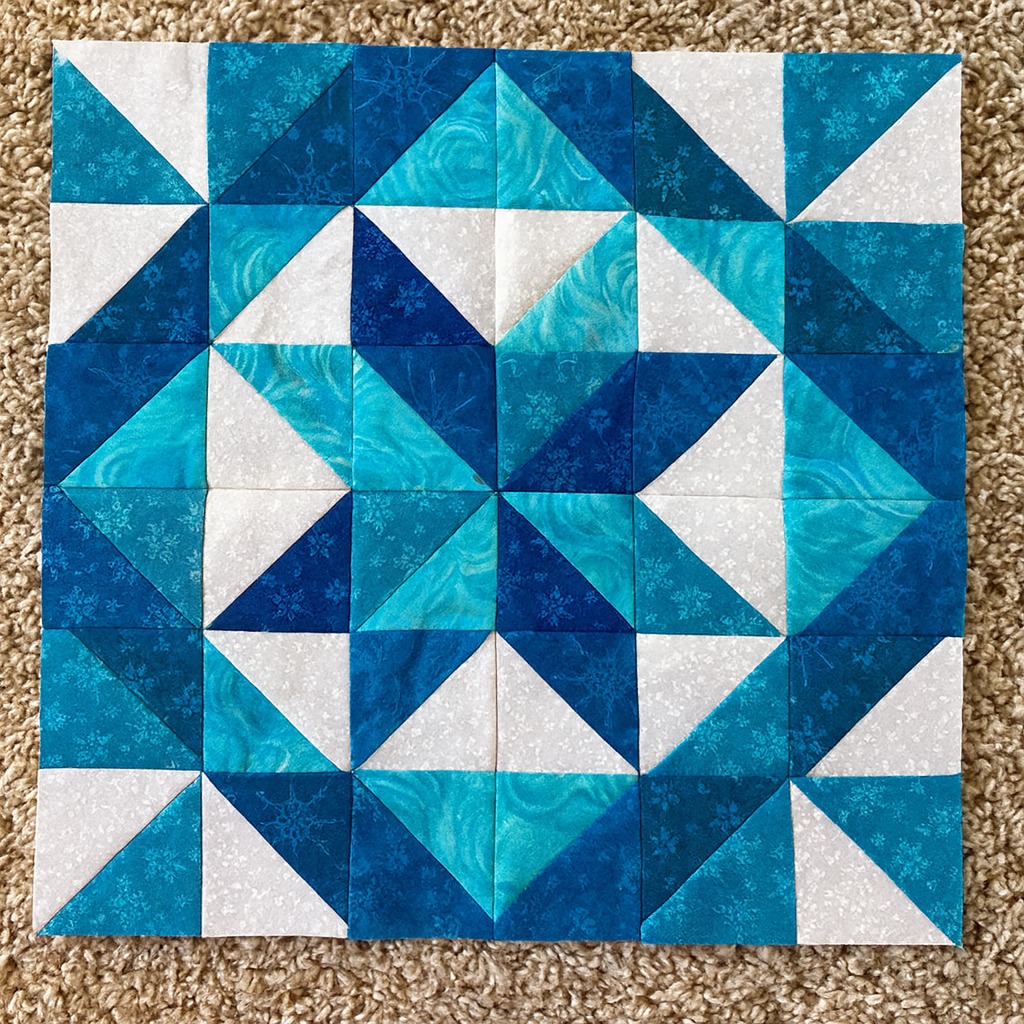
The Interlocking Floral Frames Quilt Pattern is a beautiful quilting design that combines geometric structure with the soft visual appeal of floral-inspired shapes. The interlocking arrangement gives the quilt movement and depth, while carefully selected fabrics can make individual frames appear to weave over and under one another. This balance between precision and creativity makes the pattern an exciting choice for quilters who want a project that looks sophisticated without relying on overly complicated construction methods.
One of the most attractive features of the Interlocking Floral Frames Quilt Pattern is the opportunity to experiment with color. You can create a romantic quilt with pastel florals, a dramatic version with jewel tones, or a modern interpretation using solids and a neutral background. The frame effect becomes particularly noticeable when neighboring fabrics have enough contrast. As the blocks are repeated across the quilt, smaller shapes begin connecting visually and create the impression of a continuous floral lattice.
Although the finished quilt may look intricate, approaching the project one section at a time makes construction much easier to manage. Accurate cutting, consistent seam allowances, careful pressing, and thoughtful fabric placement are the main skills needed for success. In this tutorial, we will explore the materials, planning, piecing process, assembly techniques, and finishing details that can help you create an attractive Interlocking Floral Frames Quilt with a polished appearance.
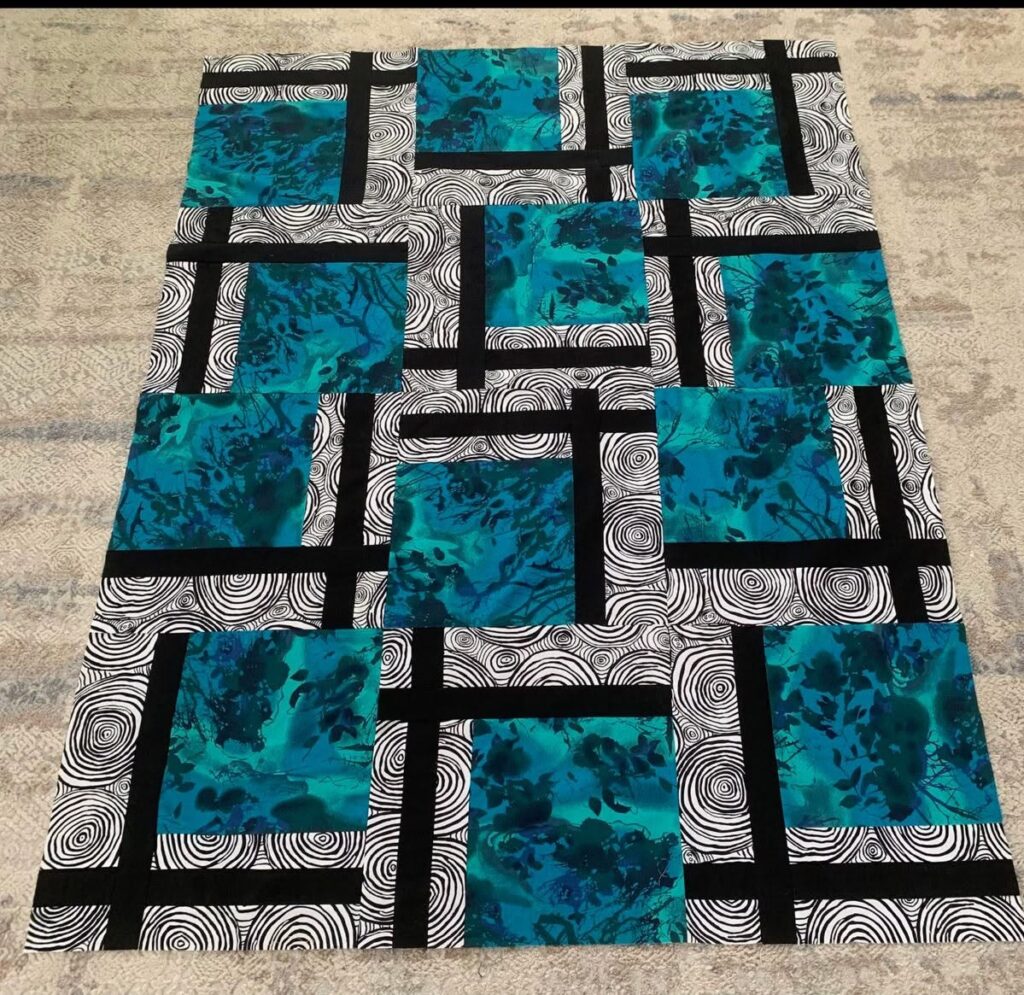
Choosing Fabrics and Preparing the Interlocking Floral Frames Quilt Pattern
Fabric selection plays an important role in defining the interlocking effect. For most versions of this design, 100% quilting cotton is an excellent choice because it cuts accurately, presses well, and remains stable during piecing. Choose fabrics of similar weight so that the completed quilt top lies evenly.
Start by deciding whether you want the floral frames to appear coordinated or scrappy. A coordinated palette might use three or four related colors, while a scrappy version can incorporate many prints from your fabric collection. Small-scale floral prints are especially appropriate for an Interlocking Floral Frames Quilt Pattern, but solids, blenders, batiks, and geometric prints can also produce striking results.
Contrast is just as important as color. If the frame fabrics and background are too similar in value, some of the interlocking shapes may disappear. A light background paired with medium and dark frame fabrics is an easy combination, although reversing the idea with a dark background can create a dramatic contemporary quilt.
Before cutting, press your fabric carefully to eliminate folds and wrinkles. Accurate cutting begins with flat fabric. A rotary cutter, self-healing cutting mat, and transparent quilting ruler will make preparing repeated pieces considerably faster and more precise.
Because exact measurements depend on the desired block and finished quilt size, create one test block before cutting fabric for the entire project. The test block allows you to confirm your measurements, seam allowance, fabric contrast, and final appearance. It can save considerable time and fabric if you decide adjustments are necessary.
Organize the cut pieces into groups for each block. Small labeled containers or stacks can prevent similar-looking pieces from becoming mixed together. This simple preparation becomes especially helpful when making many identical or coordinated blocks for a larger quilt.
Piecing the Floral Frames and Creating the Interlocking Effect
Begin with the smallest units that form the floral or frame sections of your chosen layout. Instead of attempting to construct the entire block at once, think of the design as several manageable geometric units that will eventually connect.
Use a consistent ¼-inch seam allowance throughout the piecing process. Even a small variation can accumulate across several seams and cause neighboring sections to misalign. If necessary, test the quarter-inch setting on your sewing machine using scrap fabric before beginning.
Sew matching units in batches when possible. This technique, commonly called chain piecing, can make construction faster and help maintain consistency. Rather than completing one entire block before beginning another, sew the same seam on several units and then move to the next construction stage.
After sewing each major unit, press the seams carefully. Pressing is different from aggressively moving the iron back and forth. Place the iron over the seam and lift it rather than stretching the fabric. Depending on the layout, seams can be pressed toward the darker fabric or in alternating directions so adjacent seams nest together.
As the units come together, pay close attention to the intersections responsible for the interlocking frame effect. Positioning these points accurately creates the visual illusion that the floral frames continue smoothly from one section to another. Pinning or clipping important intersections before sewing can improve precision.
Complete one full block and place it on a flat surface. Step away and look at the overall design rather than concentrating only on individual seams. You should begin seeing the frame and floral shapes emerge. If the design looks balanced and the block measures correctly, continue constructing the remaining blocks using the same method.
Arranging and Joining the Quilt Blocks
Once several blocks are finished, arranging them becomes one of the most enjoyable stages of the Interlocking Floral Frames Quilt Pattern. Place the blocks on a design wall, clean floor, or other large surface where you can view the entire arrangement.
Experiment with block orientation before sewing anything together. Rotating selected blocks may dramatically change the secondary pattern. Depending on the construction, the floral frames can appear as repeating individual motifs or as one continuous interlocking network extending across the quilt.
Color distribution also deserves attention. If you’re making a scrappy quilt, avoid placing several visually dominant fabrics in one area unless that is intentional. Spread dark, bright, and highly patterned fabrics throughout the layout to achieve a balanced appearance.
When you’re satisfied with the arrangement, photograph it before removing the blocks. This gives you a useful reference while assembling the rows. You can also label rows and columns to prevent accidental changes in orientation.
Join blocks into rows using the same accurate quarter-inch seam allowance. Match important intersections carefully, particularly where the frames continue from one block into the next. Press the row seams in alternating directions whenever appropriate so they nest neatly during final assembly.
Finally, join the completed rows. Check alignment before sewing long seams and avoid pulling or stretching the fabric as it passes through the machine. Once the quilt top is assembled, give it a careful final press and inspect the edges. Trim only when necessary to maintain a square, balanced quilt top.
Quilting and Finishing Your Interlocking Floral Frames Quilt
After completing the quilt top, prepare the traditional quilt sandwich using the backing fabric, batting, and pieced top. The backing and batting should extend beyond the quilt top on every side so slight shifting during quilting does not create problems.
Smooth all three layers carefully and baste them using your preferred method. Safety pins, temporary basting products, or hand-basting stitches can all work. The objective is to prevent the layers from shifting or developing unwanted folds during quilting.
Your quilting design can reinforce the geometry of the floral frames. Straight-line quilting is an approachable option and can emphasize the structured appearance of the pattern. Quilting parallel to important seams can also highlight the interlocking movement.
For a softer appearance, consider gentle curves, loops, or free-motion floral motifs in the background areas. Combining geometric piecing with organic quilting can beautifully reinforce the floral theme without making the finished quilt look overly busy.
Once quilting is complete, trim the excess batting and backing carefully. Square the corners while preserving the intended dimensions of the quilt. Prepare your binding and attach it evenly around the perimeter, taking extra care when forming the corners.
Give the completed quilt a final inspection and remove loose threads. Your finished Interlocking Floral Frames Quilt can be used as a bed quilt, throw, wall display, or meaningful handmade gift. Each choice of fabric and quilting style gives the same basic pattern an entirely different personality.
Frequently Asked Questions About the Interlocking Floral Frames Quilt Pattern
Is the Interlocking Floral Frames Quilt Pattern suitable for beginners?
A confident beginner with experience sewing a consistent quarter-inch seam can approach this project successfully. Creating a test block first is strongly recommended.
What type of fabric should I use?
Quality quilting cotton is one of the easiest options because it is stable, widely available, and easy to cut and press accurately.
Can I make this pattern with fabric scraps?
Yes. A scrappy version can look wonderful, especially when you maintain sufficient contrast between the floral frames and background.
How do I make the interlocking effect more visible?
Use fabrics with noticeable differences in color or value. Maintaining accurate intersections also helps the frames appear continuous.
Can I use floral prints?
Absolutely. Floral prints complement the theme beautifully. Consider combining prints with solids or subtle blenders so the overall design remains easy to see.
Why don’t my intersections line up perfectly?
Check your cutting accuracy and ¼-inch seam allowance first. Small inconsistencies in either area can become more noticeable when several units are joined.
Should I press seams open or to one side?
Either method can work depending on your construction. Pressing seams in opposite directions on adjoining units often allows them to nest, while pressing open can reduce bulk in areas with many intersections.
What quilting design works best?
Straight lines are excellent for emphasizing the geometric frames, while free-motion curves or floral motifs can soften the overall appearance. Choose a design that complements rather than hides the piecing.
Can the pattern be used for smaller projects?
Yes. Instead of making a full quilt, use a few blocks for a table runner, wall hanging, pillow cover, or other decorative project.
Conclusion
The Interlocking Floral Frames Quilt Pattern combines the precision of geometric patchwork with the graceful appearance of repeating floral forms. By choosing fabrics with good contrast, cutting accurately, maintaining a consistent quarter-inch seam allowance, and carefully matching important intersections, you can create a quilt where the individual blocks visually connect into an impressive continuous design.
Remember that fabric selection can completely transform this pattern. Soft florals can produce a romantic traditional appearance, bold solids can make it feel modern, and leftover fabrics can turn it into a colorful scrappy quilt. Take your time during the planning and piecing stages, enjoy watching the interlocking design emerge, and make the project uniquely yours.